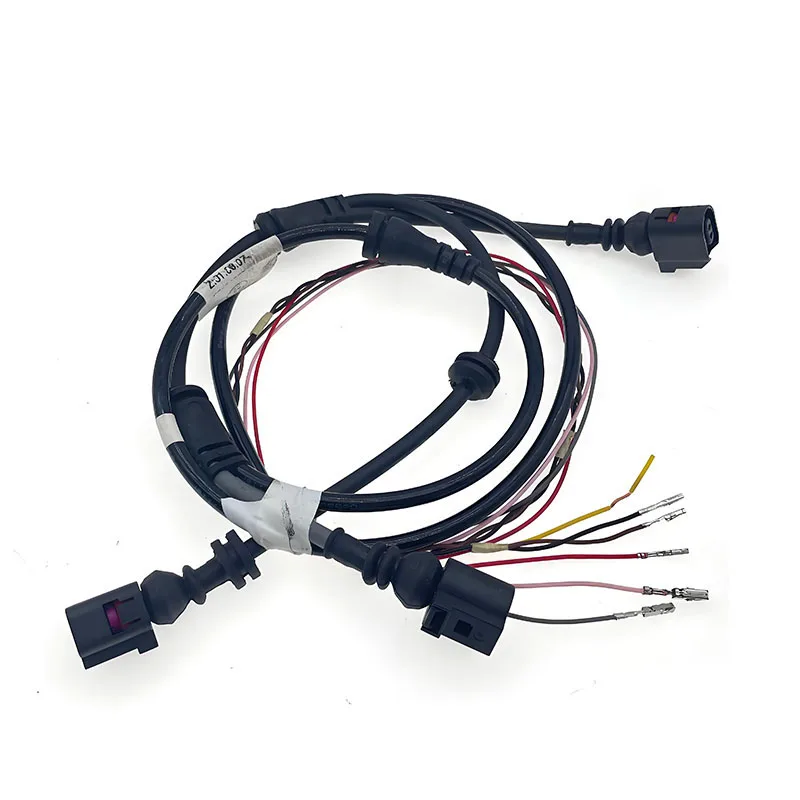
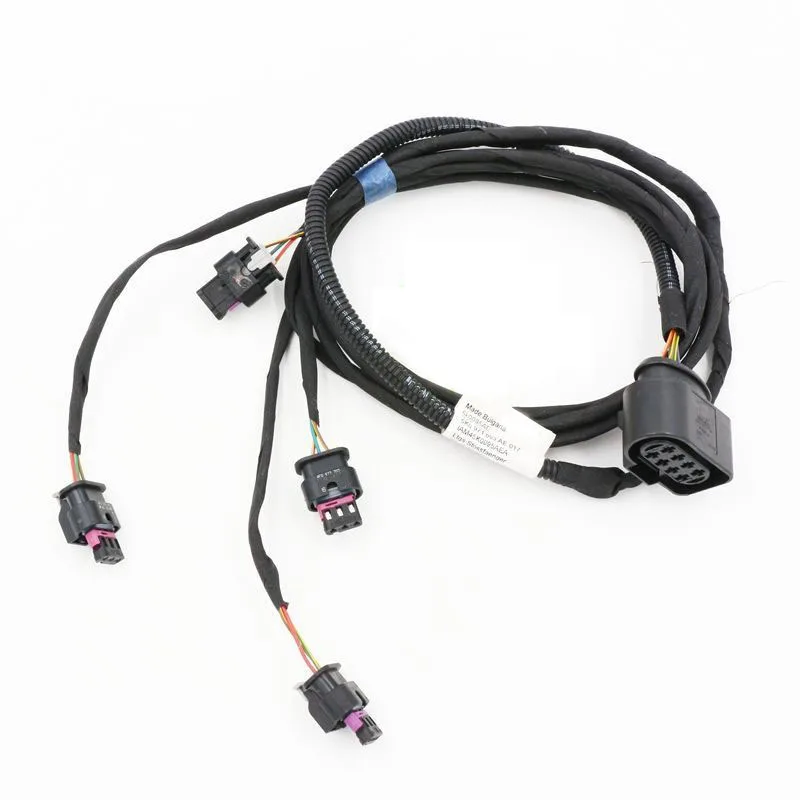
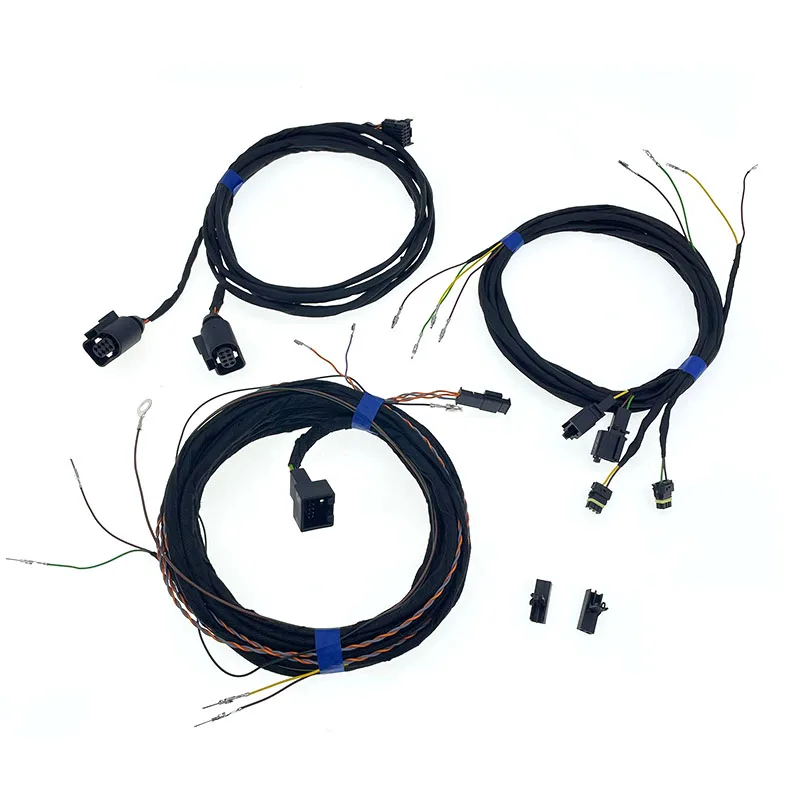
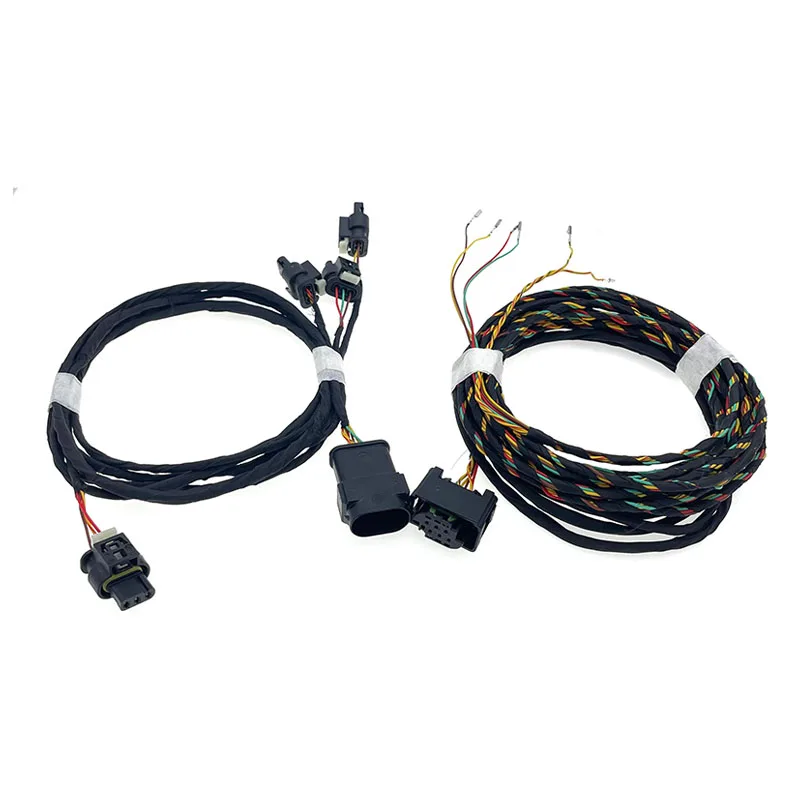
The NEW PDC Parking Sensor For ID3 ID4 1ED919275 is the direct replacement ultrasonic sensor for Volkswagen's electric vehicle platform. This sensor uses part number 1ED919275 or 1ED 919 275 A interchangeably, providing accurate distance detection for the parking assist system on both ID.3 and ID.4 models equipped with the factory Park Distance Control system.
Understanding the 1ED919275 Sensor Specification
The 1ED919275 PDC sensor operates at ultrasonic frequencies between 40-48 kHz, which is standard for modern automotive parking assist systems. These sensors work by emitting ultrasonic pulses and measuring the time it takes for the echo to return, calculating distances typically from 30 cm to 150 cm with accuracy within ±3 cm. The VW ID series uses these sensors in both front and rear bumper locations, with four to eight sensors depending on trim level.
This sensor features a specific electrical connector design unique to the MEB platform (Volkswagen's modular electric drive matrix). The connector uses a two-pin configuration with weather-sealed housing rated to IP6K9K standards, ensuring reliable operation in harsh weather conditions including high-pressure washing. Operating voltage ranges from 10-16V DC, drawing approximately 15-30 mA during active measurement cycles.
Compatibility and Fitment Details
The 1ED919275 parking sensor fits all VW ID.3 models from the initial production run and all VW ID.4 variants including rear-wheel-drive and all-wheel-drive configurations. Critical fitment note: this sensor is color-coded at the factory to match specific bumper paint codes. While the sensor functionality remains identical across colors, the visible cap must match your vehicle's exterior finish for proper appearance.
Before ordering, verify your vehicle has the factory PDC system installed. Check for existing sensor ports in the bumper and confirm the parking assist feature appears in your instrument cluster settings menu. Not all base model ID.3 and ID.4 vehicles include PDC as standard equipment in certain markets. The sensor mount diameter is 18mm with a depth of approximately 22mm from bumper surface to connector end.
Multiple Sensor Replacement Considerations
PDC systems require calibration when sensors are replaced. While single sensor replacement typically auto-calibrates within 10-15 drive cycles, replacing multiple sensors may require VCDS or OBDeleven scan tool access to reset adaptation values. The system stores baseline measurements for each sensor position, and significant deviations can trigger warning lights until the control module relearns normal operating parameters.
Installation Process and Technical Requirements
Replacing the 1ED919275 sensor requires removing the appropriate bumper section or accessing from behind via wheel arch liner removal. The sensor twists counterclockwise approximately 45 degrees to unlock from its mounting bracket. Apply dielectric grease to the connector terminals before installation to prevent corrosion, especially important given the ID platform's longer expected service life compared to combustion vehicles.
Proper sensor depth is crucial for accurate readings. The sensor face should sit flush with the bumper surface or recessed no more than 1mm. Protruding sensors create false readings due to air turbulence around the sensor head at speed. Use the included rubber grommet or mounting bracket to achieve correct positioning. Torque specifications are not applicable as these use friction-fit designs, but ensure a firm seated connection with no play.
Common Installation Errors
Avoid cross-threading the sensor into plastic mounting brackets, which are prone to stripping. The sensor should rotate freely until the locking tabs engage. Never force rotation if resistance is felt. Also verify the wiring harness routing matches factory installation with proper clips securing cables away from suspension components and wheel movement zones. Damaged wiring is the second most common cause of PDC failures after physical sensor damage.
OEM Versus Aftermarket Quality Indicators
Genuine VW PDC sensors manufactured for the ID platform come from suppliers including Valeo and Bosch, with manufacturing codes stamped on the sensor body. The aftermarket 1ED 919 275 A sensor should include similar quality certifications. Look for ISO 9001 manufacturing compliance and preferably automotive-grade component ratings. Inferior sensors use thinner piezoelectric crystals that degrade faster and provide less consistent distance measurements.
Recommended Products
Hand-picked accessories related to this article
Quality sensors feature epoxy-sealed transducer assemblies preventing moisture ingress. Budget sensors often use silicone sealant that deteriorates within 18-24 months. Check product listings for warranty coverage exceeding 12 months as an indicator of manufacturer confidence. The sensor housing material should be ABS plastic with UV-stabilizers; cheaper alternatives use polypropylene that becomes brittle and cracks in extreme temperatures.
Diagnostic Tips and Troubleshooting
When a single sensor fails on the ID.3 or ID.4, the system typically displays a specific fault message in the instrument cluster identifying which zone is affected. The system continues operating with reduced coverage area. Use the parking assist self-test function accessed through the vehicle settings menu to identify exactly which sensor position has failed before ordering replacements.
Environmental contamination causes most false readings. Ice buildup in winter, mud, or insect debris on the sensor face all trigger intermittent warnings. Clean sensors with isopropyl alcohol and a microfiber cloth rather than high-pressure water directly on the sensor face. Electrical failures show constant fault messages regardless of cleaning, while environmental issues clear temporarily after cleaning then return.
Alternative Options and Market Overview
The aftermarket offers various PDC sensors for other vehicle platforms at different price points. Sensors for vehicles like the Suzuki Vitara, Alfa Romeo 147-166 series, and Chevrolet Suburban use different part numbers and connector types incompatible with VW's MEB platform. Skoda and Audi models on the MQB platform use the 5J0919275A sensor which has different mounting brackets despite similar electrical characteristics.
Key Takeaways
- The 1ED919275 sensor is specific to VW ID.3 and ID.4 models with factory PDC systems
- Sensors operate at 40-48 kHz ultrasonic frequency with IP6K9K weather sealing
- Color-matched sensor caps are required for proper aesthetic integration
- Installation requires flush mounting within 1mm tolerance for accurate readings
- System auto-calibrates over 10-15 drive cycles after replacement
- Quality indicators include epoxy-sealed transducers and ABS housing with UV stabilizers
Frequently Asked Questions
Will the 1ED919275 sensor work on other VW models besides ID.3 and ID.4?
No, this sensor is engineered specifically for the MEB electric vehicle platform. Golf, Passat, Tiguan, and other models on the MQB or older platforms require different part numbers with incompatible connectors and mounting designs. Always verify the exact part number matches your vehicle's existing sensor.
Do I need dealer programming after installing a replacement PDC sensor?
Most single sensor replacements auto-calibrate without dealer intervention. The system learns the new sensor's baseline readings over 10-15 drive cycles including reverse maneuvers. Multiple sensor replacement or persistent fault codes may require VCDS/OBDeleven access to reset adaptation channels in the parking assist control module.
How do I determine which color sensor to order for my ID.3 or ID.4?
Check your vehicle's paint code on the door jamb label or service booklet. Match this to the sensor's color designation in the product listing. While sensors are functionally identical regardless of color, the visible cap portion should match your bumper color. Some sellers offer primable sensors for custom color matching.
What causes PDC sensors to fail on electric vehicles like the ID.3 and ID.4?
Physical impact from parking contact is the primary cause, followed by water intrusion through damaged seals, and electrical connector corrosion. The ID platform's lower front bumper design makes front sensors particularly vulnerable to curb strikes and parking blocks. Regular inspection and cleaning extends sensor lifespan significantly.
This article was produced through comprehensive AI-powered research and editorial tools. While we strive for accuracy, all vehicle modifications, product purchases, and installation decisions are undertaken entirely at your own risk and responsibility. We recommend consulting a qualified automotive professional before making any changes to your vehicle.