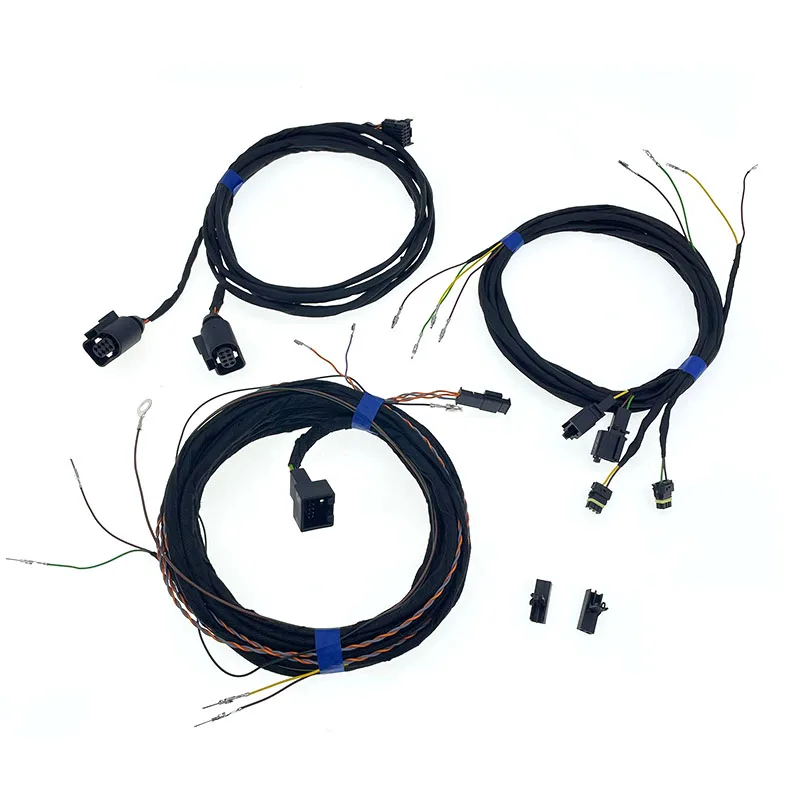
The Side Assist Lane Change Wire Cable Harness For Passat B8 B8 PA 2Q0 Radar enables blind spot detection and lane change assist functionality on Volkswagen Passat B8 models. These harnesses connect aftermarket or OEM 2Q0 radar modules to the vehicle's electrical system, providing the wiring infrastructure necessary for Side Assist features that weren't originally equipped from the factory.
Understanding 2Q0 Radar System Compatibility
The 2Q0 radar designation refers to Volkswagen Group's specific blind spot detection module used across the MQB platform. The Passat B8, built on the MQB platform from 2015 onwards, uses standardized radar mounting points in the rear bumper, typically positioned behind the rear quarter panels. The harness must match the vehicle's production year and specific electrical architecture variant, as early and late B8 models have different connector configurations despite using the same basic radar system.
These harnesses route power, ground, and CAN-bus communication signals from the vehicle's central electronics to the radar sensors. The 2Q0 system operates at 24GHz frequency and requires specific voltage parameters—typically 12V DC with less than 0.5V ripple—to function correctly. The wiring must also support high-speed CAN communication at 500 kbit/s for real-time data transmission to the instrument cluster and door mirror warning lights.
Harness Configuration and Technical Specifications
Genuine and quality aftermarket harnesses for the Passat B8 feature multi-core shielded cables to prevent electromagnetic interference from affecting radar performance. The typical harness includes 8-12 individual wires within protective sleeving, with connectors that match both the radar module's plug and the vehicle's existing body harness connector points. Wire gauge typically ranges from 0.5mm² to 1.0mm² depending on the circuit function, with power wires using heavier gauge than signal wires.
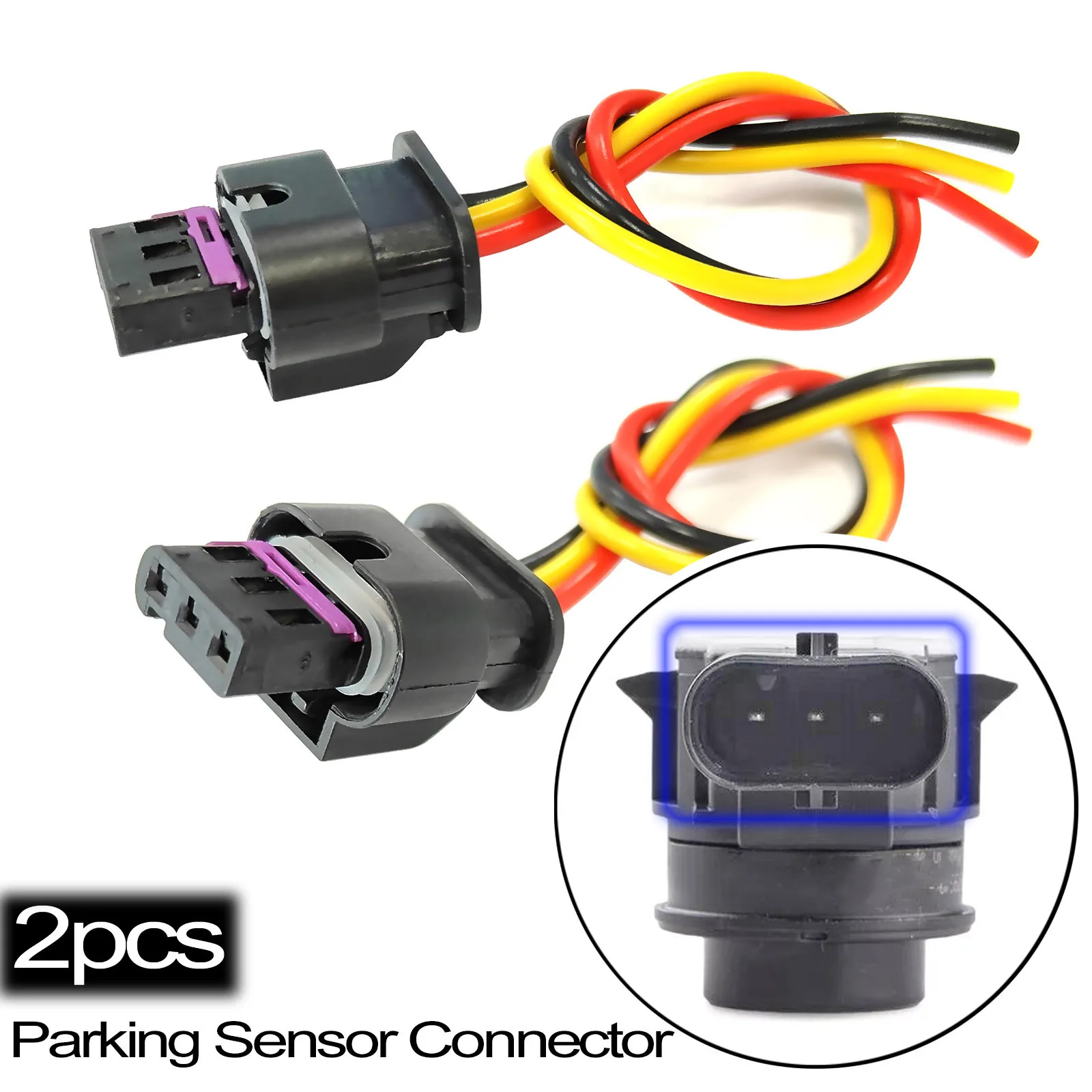
The connector types are critical—most use Volkswagen's proprietary MQS (Multi-Quick-Seal) connectors that provide environmental sealing rated to IP67 or higher. These prevent moisture ingress in the rear quarter panel cavities where connections typically occur. The harness length usually measures between 2.5 and 3.5 meters to account for routing through the rear quarter panel, under rear seat areas, and to the central vehicle electronics located behind the dashboard.
OEM Part Number Cross-Reference
The factory Volkswagen part number 2Q0907685B is the primary reference for Side Assist harnesses on Passat B8 models. This part number applies to both left and right side installations, though some configurations require separate left/right harnesses. Aftermarket alternatives replicate the OEM connector pinouts and wire routing but may use slightly different materials or sleeving colors. The 2Q0 prefix indicates MQB platform compatibility, distinguishing these from older PQ-platform harnesses that are not electrically compatible.
Installation Considerations and Requirements
Installing a Side Assist harness requires accessing the vehicle's rear quarter panels, which involves removing interior trim panels, rear seat cushions, and potentially trunk side panels. The radar modules mount in recesses behind the rear bumper cover, accessible through apertures in the metal structure. Proper installation requires routing the harness away from metal edges that could abrade the insulation and ensuring separation from high-current wiring like rear window defrost circuits.
The harness alone doesn't enable Side Assist functionality—the vehicle's gateway control module and instrument cluster must be coded to recognize the radar sensors. This coding process requires VCDS, OBDeleven, or dealer-level diagnostic equipment to activate the appropriate control modules and enable the warning light circuits in the door mirrors. Some Passat B8 variants have the necessary coding already present but dormant, while others require purchasing activation codes specific to the vehicle's VIN.
Common Installation Pitfalls
Incorrect harness routing can cause intermittent failures or complete system malfunction. The harness must maintain minimum bend radii—typically 25mm—to prevent wire breakage inside the insulation. Connection points must be secured with cable ties at specified intervals to prevent vibration-induced fatigue. Aftermarket harnesses lacking proper shielding can cause false alerts or system errors due to electrical noise from adjacent power wiring, particularly near fuel pump circuits or trailer hitch wiring.
Price Variations and Quality Indicators
Side Assist harnesses for Passat B8 vary in construction quality and completeness. Lower-cost options may omit proper connector sealing boots or use thinner wire insulation that's less resistant to abrasion and temperature extremes. Higher-quality harnesses include heat-shrink protection at splice points, proper strain relief at connectors, and wire color coding that matches OEM diagrams. The presence of ferrite beads for electromagnetic compatibility is another indicator of quality construction.
Recommended Products
Hand-picked accessories related to this article
SaleSide Assist Lane Change Wire Cable Harness For Passat B8 B8 PA 2Q0 Radar
SaleSide Assist Lane Change Wire Cable Harness For Passat B8 B8 PA 2Q0 Radar
 Sale
SaleCar 360 Panoramic Blind Spot Assist HD Side View Camera 12V Left Right Front Visual Auxiliary System For Lane Change Safety
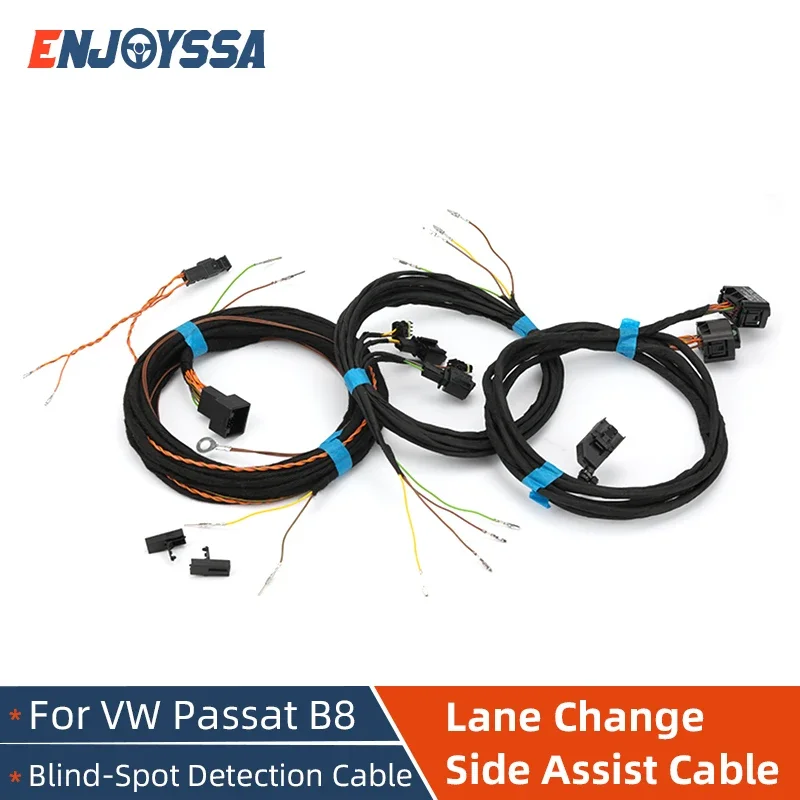
Blind-Spot Detection Cable Lane Change Side Assist Wire Harness for VW MQB Passat B8 Variant MQB
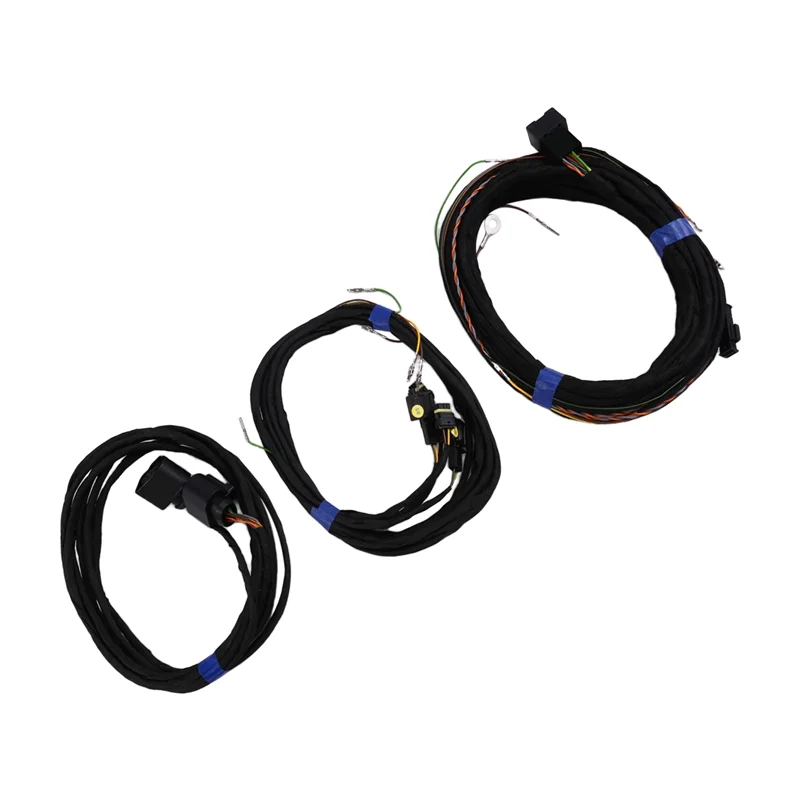
A30P-Blind Spot Side Assist Lane Change Wire Cable Harness 2Q0907685B For Passat B8 2015-2025
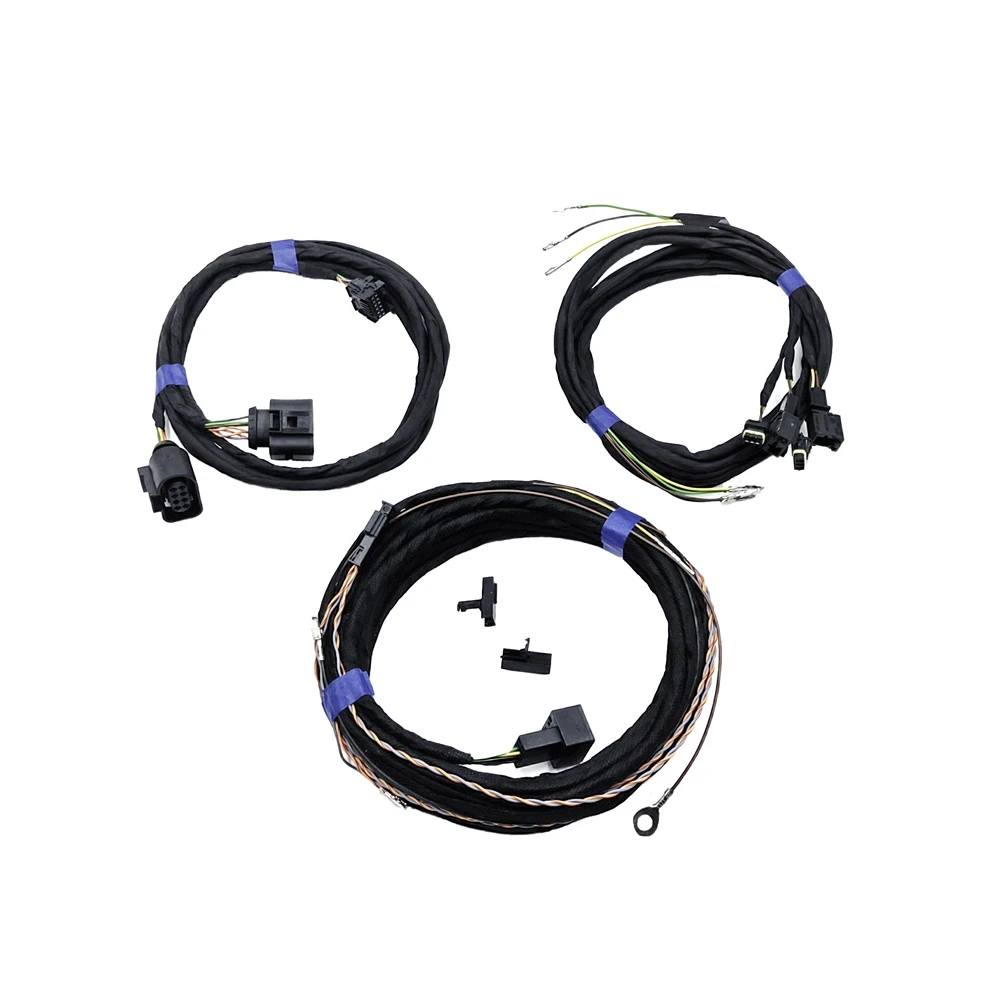
Lane Change Wiring for Passat B8.5 / B8 PA - BSD System 2Q0 Radar Side Assist Cable

For VW Passat B8 PA 2Q0 Radar Blindspot Side Assist Lane Change Wire Cable Harness
Complete harness kits should include mounting clips or grommets for securing the wiring to body panels. Some variants include instructions with connector pinout diagrams, though these are less common with aftermarket suppliers. Verify that the harness includes connectors for both the radar module side and the vehicle body harness side—some listings provide only partial harnesses that require splicing into existing wiring.
MQB Platform Cross-Compatibility
The MQB architecture's standardization means many 2Q0 radar harnesses work across multiple Volkswagen Group vehicles with minor modifications. However, the Passat B8 uses specific connector locations and routing paths that differ from Tiguan MK2, Golf MK7, or Skoda Kodiaq applications. While the radar modules and electrical specifications are identical, harness length and connector placement vary by body style. Using a harness designed for a different MQB vehicle may result in insufficient length or connectors that don't align with the Passat's body harness connection points.
Verifying Existing Vehicle Wiring
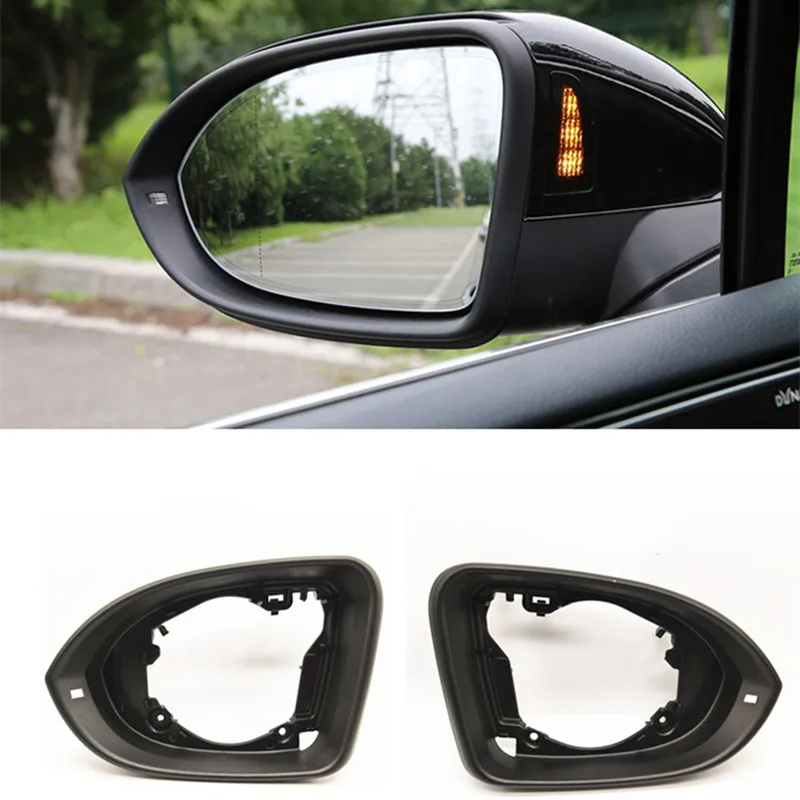
Some Passat B8 models have partial Side Assist wiring pre-installed from the factory, even without the active system. Check behind the rear bumper for capped-off connectors or wiring looms taped to the body structure. Vehicles equipped with factory parking sensors often share some wiring infrastructure with Side Assist systems. The presence of mirror indicator lights and proper coding in the central electronics are prerequisites—adding Side Assist to a base-specification mirror requires either mirror replacement or additional wiring for the LED warning indicators.
Key Takeaways
- 2Q0 radar harnesses must match Passat B8 production year and electrical architecture variant for proper connector compatibility
- Quality harnesses feature shielded cables, IP67-rated connectors, and proper wire gauge specifications (0.5-1.0mm²)
- Installation requires interior trim removal, proper routing techniques, and diagnostic coding via VCDS or equivalent tools
- OEM part number 2Q0907685B serves as reference standard for aftermarket compatibility verification
- Complete system functionality depends on proper gateway coding and door mirror compatibility beyond just harness installation
Frequently Asked Questions
Will this harness work on all Passat B8 model years?
The 2Q0 harness design remained consistent throughout the B8 production run from 2015 onward, but early and late models may have different connector variants at the body harness connection point. Verify your specific production date and existing connector style before ordering, particularly for vehicles built before mid-2016 or after the 2019 facelift.
Do I need separate harnesses for left and right radar sensors?
Most Passat B8 installations require two complete harnesses, one for each side's radar module. Some listings provide a single harness intended for one-side installation, while others include both sides in a complete kit. Verify the listing specifies quantity and whether left/right variants differ.
Can I install this harness without coding equipment?
The harness provides only the physical wiring connection. Activating Side Assist functionality requires diagnostic coding to enable the radar modules in the vehicle's gateway controller, instrument cluster, and door control modules. Without proper coding, the system will not function even with correct harness installation.
What causes Side Assist errors after harness installation?
Common issues include incorrect radar sensor calibration, poor connector sealing causing corrosion, inadequate wire shielding creating electromagnetic interference, or incomplete coding procedures. Physical damage to radar covers or mounting points can also prevent proper operation despite correct wiring installation.
This article was produced through comprehensive AI-powered research and editorial tools. While we strive for accuracy, all vehicle modifications, product purchases, and installation decisions are undertaken entirely at your own risk and responsibility. We recommend consulting a qualified automotive professional before making any changes to your vehicle.