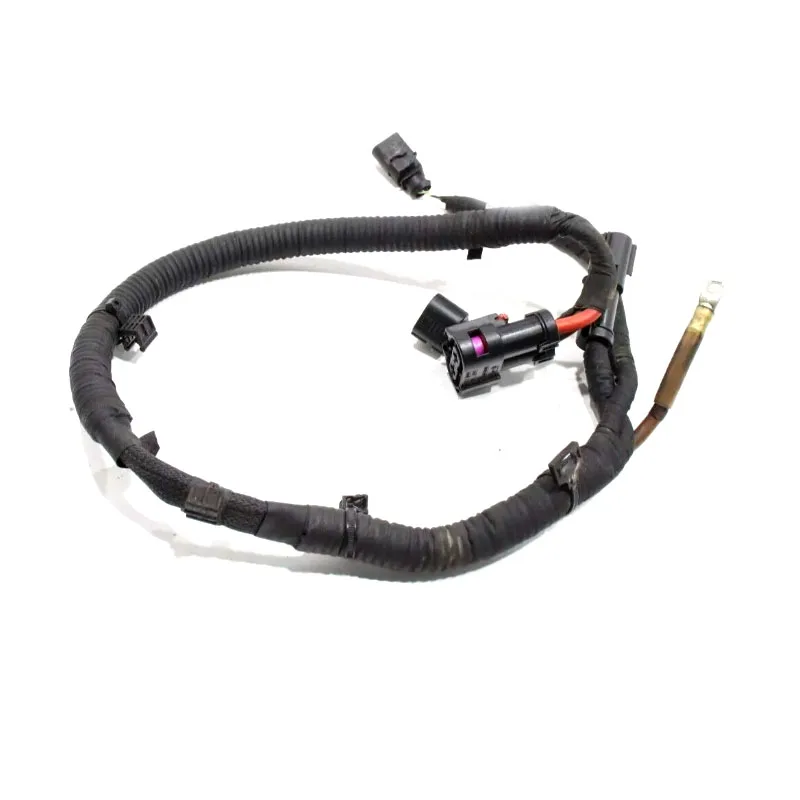
Power steering wiring harnesses serve as the electrical backbone between your vehicle's steering rack and electronic control units. For Audi Q5 and VW Golf MK7 owners, selecting the correct OEM-specification harness ensures proper voltage delivery, sensor communication, and steering assist functionality without fault codes or steering malfunctions.
Understanding Power Steering Rack Wiring Harnesses
Modern electric power steering systems rely on precise electrical connections to deliver variable steering assist based on speed, steering angle, and driver input. The wiring harness contains multiple conductors that transmit power to the steering motor, relay position sensor data, and communicate with the vehicle's CAN bus network. A degraded harness causes intermittent steering assist loss, warning lights, or complete power steering failure.
These harnesses typically fail due to connector corrosion, wire chafing against chassis components, or thermal degradation from proximity to the engine bay. The protective sheathing becomes brittle over time, exposing copper conductors to moisture and salt intrusion. Volkswagen Group vehicles often show fault codes P0AD8 (steering position sensor) or C1541 (steering motor circuit) when harness integrity fails.
Audi Q5 Power Steering Harness Specifications
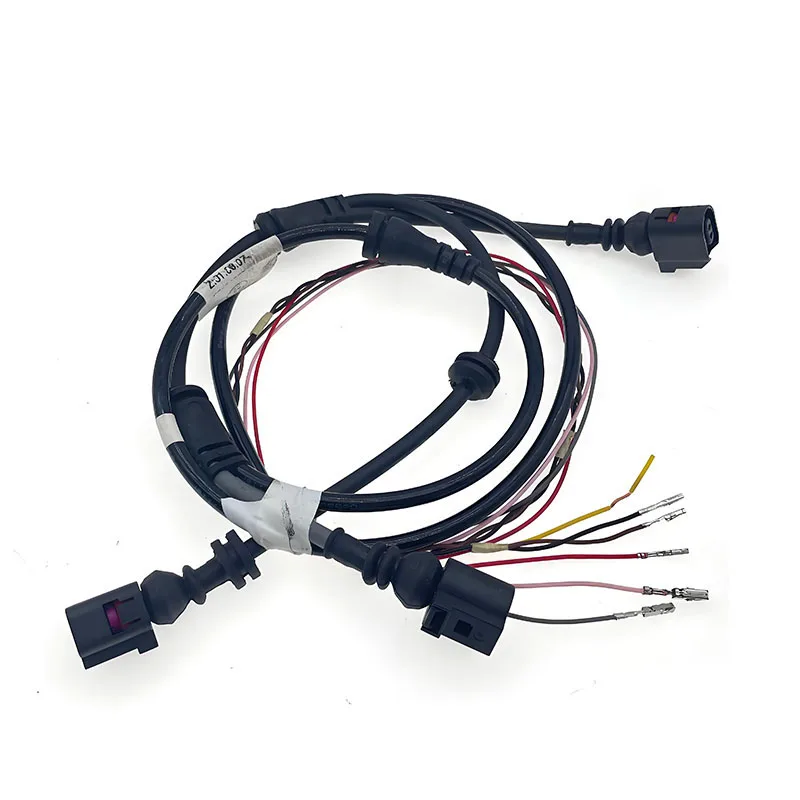
The 80B971111 power steering gear rack harness fits Audi Q5 models from 2018 through 2020, corresponding to the FY-generation platform. This harness features a specific connector configuration matching the ZF or Thyssenkrupp steering racks used in these model years. The part number 80B 971 111 identifies genuine VAG-specification components with proper wire gauge and insulation ratings.
This harness typically includes a six-pin or eight-pin connector depending on whether your Q5 has progressive steering or standard electric power steering. The cable length measures approximately 600-800mm to accommodate routing from the steering rack through the firewall to the steering control module. OEM-specification harnesses use temperature-resistant XLPE insulation rated to 125°C for underhood durability.
Q5 Installation Considerations
Replacing the Q5 steering harness requires removing the lower dash panel to access the steering column area and potentially raising the vehicle to reach the rack-side connector. The harness routes through a grommet in the firewall with specific retention clips. Ensure proper sealing of the firewall grommet during installation to prevent water intrusion into the cabin. Clear all fault codes with a VCDS or dealer-level scan tool after installation to reset adaptation values.
VW Golf MK7 Power Steering Harness Details
The 5Q1971111AA power steering wiring harness for Golf MK7 specifically serves left-hand-drive configurations from approximately 2013-2020 model years. The 5Q1 971 111 AA part number indicates Golf VII platform compatibility with the MQB chassis architecture. This harness differs from right-hand-drive versions in connector orientation and cable routing paths.
MK7 Golf harnesses connect the electric power steering rack to the steering control unit (J500) located behind the dashboard. The harness contains shielded twisted-pair wiring for CAN bus communication plus heavier gauge conductors for motor power delivery. Genuine specifications call for 1.5mm² cross-section power wires and 0.5mm² signal wires with electromagnetic interference shielding.
Golf MK7 Fitment Notes
Verify your Golf's specific steering system type before ordering, as some MK7 models use different rack configurations depending on the trim level and market. GTI and R models may have progressive steering requiring different harness pinouts. The harness must match your original equipment exactly, as VAG steering systems perform plausibility checks that trigger limp mode if sensor signals don't match expected parameters.
OEM Versus Aftermarket Quality Indicators
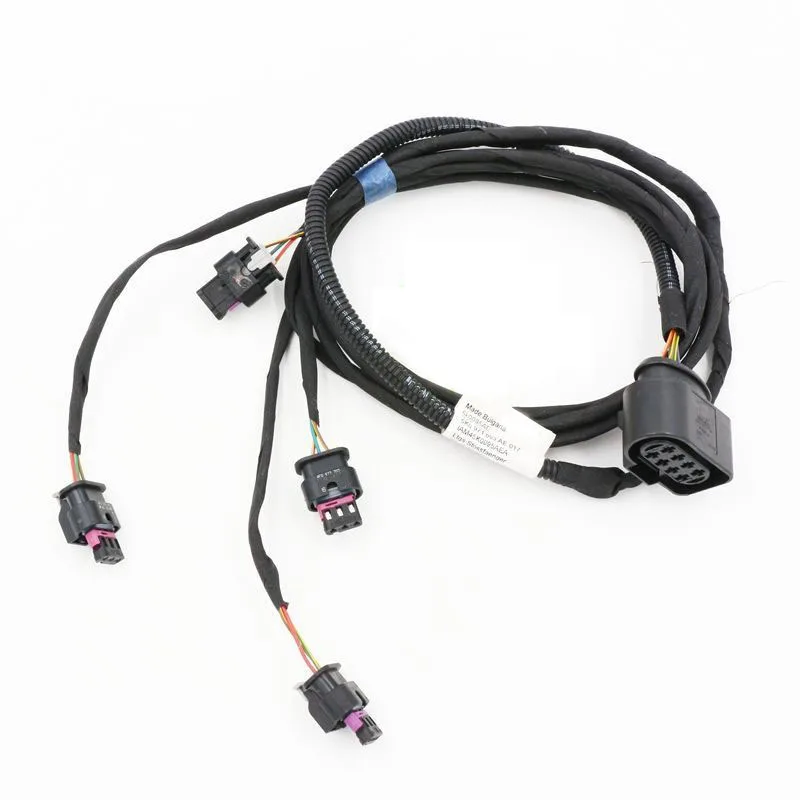
Genuine VAG harnesses feature multi-layer wire insulation with oil-resistant outer jackets and specific color-coding matching factory service documentation. Connector housings use high-temperature nylon with gold-plated pins for corrosion resistance. Aftermarket OEM-equivalent harnesses should replicate these specifications, including proper wire gauge, connector shell materials, and seal integrity.
Inspect replacement harnesses for proper strain relief at connector bodies, as this prevents wire breakage from vibration. The protective loom should be tightly woven or molded thermoplastic rather than loose split tubing. Check that all connector pins are straight, fully seated, and include rubber sealing rings to maintain IP67 waterproof ratings at connection points.
Recommended Products
Hand-picked accessories related to this article
Sale80B971111 For Q5 POWER STEERING GEAR RACK WIRE WIRING HARNESS CABLE 2018 - 2020 80B 971 111
 Sale
SaleFor GOLF MK7 Power Steering Left Hand Drive Wiring Harness 5Q1971111AA 5Q1 971 111 AA 5Q1971111 AA
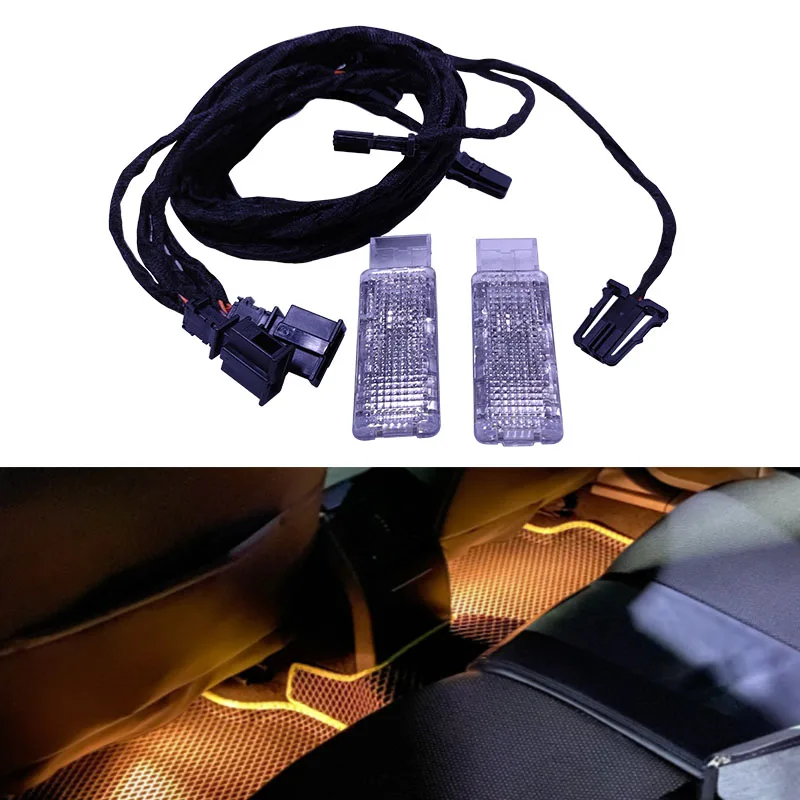
car interior Footwell Light foot Lamp Cable Wire harness For Passat B6 Golf 6 MK6 MK7 Jetta MK5 MK6 Tiguan 7L0 947 415 5ND947415
Diagnostic Procedures Before Replacement
Before replacing the harness, verify that the fault actually lies in the wiring rather than the steering rack motor or control module. Measure resistance between harness pins with a multimeter—typical motor circuit resistance reads 0.5-2 ohms. Check for continuity on all signal wires and verify no shorts to ground. Inspect connector terminals for green corrosion, which indicates moisture intrusion requiring harness replacement.
Use a scan tool to monitor live steering motor current draw and position sensor values. Erratic sensor readings or intermittent communication dropouts during connector wiggle tests confirm harness damage. Document all fault codes before beginning work, as multiple stored codes help identify whether additional components require attention beyond the harness.
Installation Best Practices
Route replacement harnesses exactly as the original equipment, using all factory retention clips and avoiding contact with sharp edges or hot surfaces. Apply dielectric grease to connector pins before mating to displace moisture and improve conductivity. Torque any harness bracket bolts to factory specifications, typically 8-10 Nm for M6 fasteners.
After installation, turn the steering lock-to-lock three times with the engine running to complete steering angle sensor calibration. Some vehicles require a dealer-level procedure to reset steering assist parameters. Monitor for fault codes over several drive cycles, as intermittent issues may indicate improper connector seating or routing problems causing wire tension.
Key Takeaways
- Power steering harnesses must match exact part numbers for your specific model year and steering system type
- Q5 harnesses (80B971111) fit 2018-2020 FY-platform models with specific connector configurations
- Golf MK7 harnesses (5Q1971111AA) are left-hand-drive specific for MQB platform vehicles
- Genuine-specification harnesses use temperature-resistant insulation rated to 125°C and proper wire gauge
- Always clear fault codes and perform steering calibration after harness replacement
- Verify connector sealing and proper routing to prevent premature failure
Frequently Asked Questions
Can I use a Golf MK7 harness on a Golf MK6 or MK7.5?
No, the 5Q1971111AA harness is MQB-platform specific and incompatible with MK6 PQ35 platform vehicles. MK7.5 facelifts may use the same harness if the steering rack part number matches, but verify your existing harness part number before ordering as minor revisions exist.
Will a damaged power steering harness cause complete steering loss?
Complete harness failure typically results in loss of electric power assist, reverting to manual steering effort. The mechanical steering connection remains intact but requires significantly more physical effort to turn. You'll see dashboard warning lights and fault codes stored in the steering control module.
How do I know if I need left-hand or right-hand drive harness?
Check your vehicle's VIN with a dealer parts system or measure your existing harness length and connector orientation. Left-hand-drive harnesses route differently through the firewall and have specific connector angles matching the rack position on the driver's side of the vehicle.
Do these harnesses require programming after installation?
The harness itself requires no programming, but some vehicles need steering angle sensor calibration using VCDS or dealer scan tools after replacement. This procedure ensures the control module recognizes center position correctly and may require a short test drive to complete adaptation values.
This article was produced through comprehensive AI-powered research and editorial tools. While we strive for accuracy, all vehicle modifications, product purchases, and installation decisions are undertaken entirely at your own risk and responsibility. We recommend consulting a qualified automotive professional before making any changes to your vehicle.