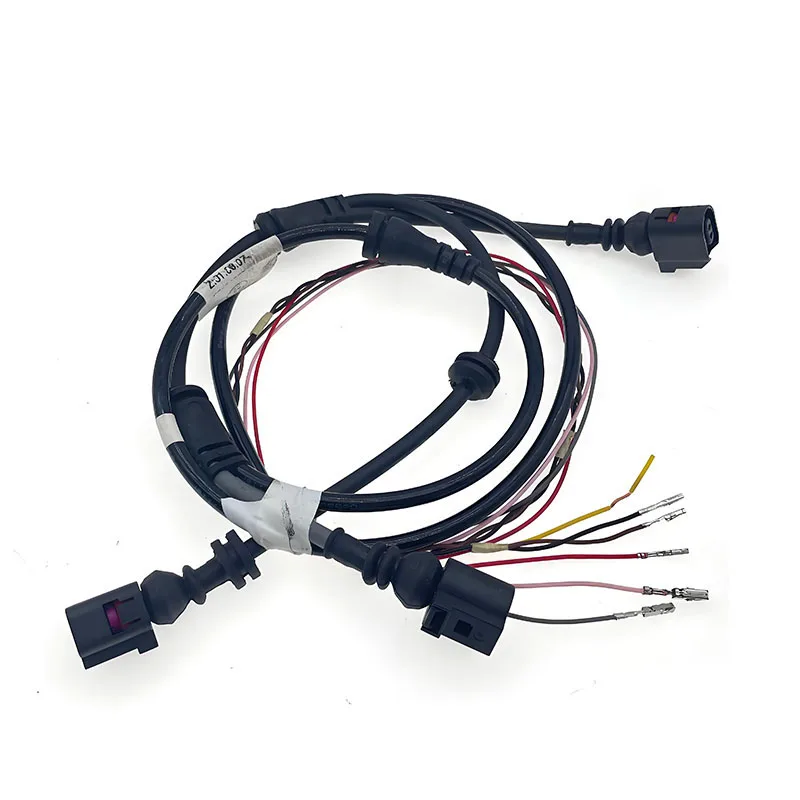
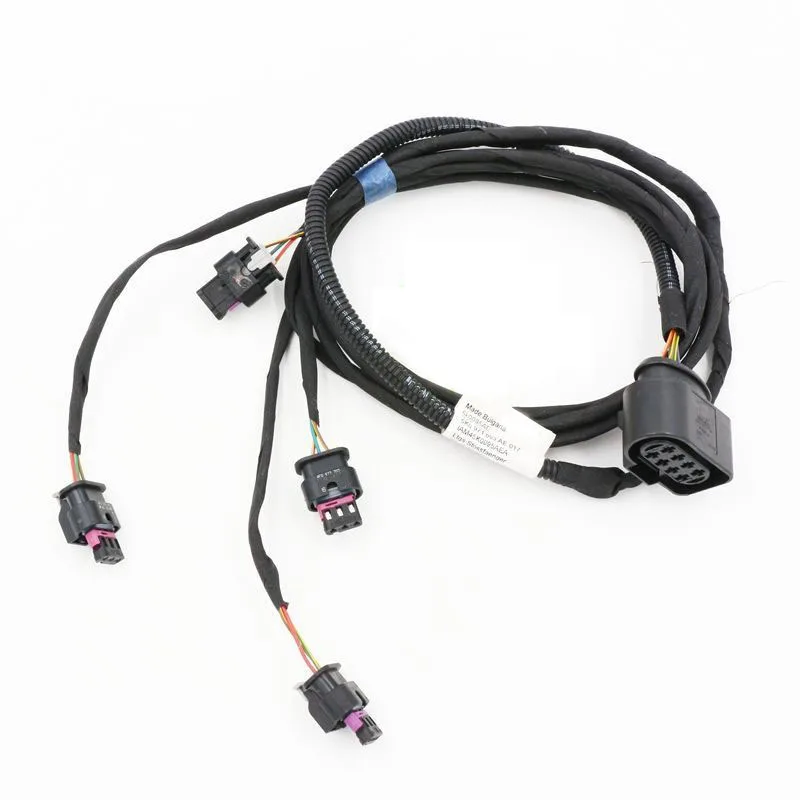
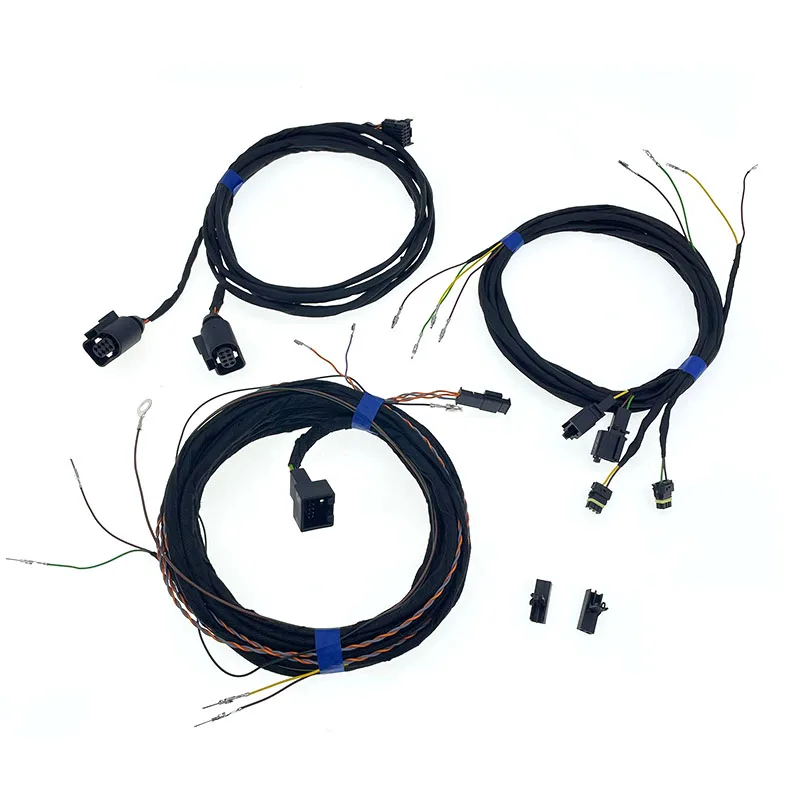
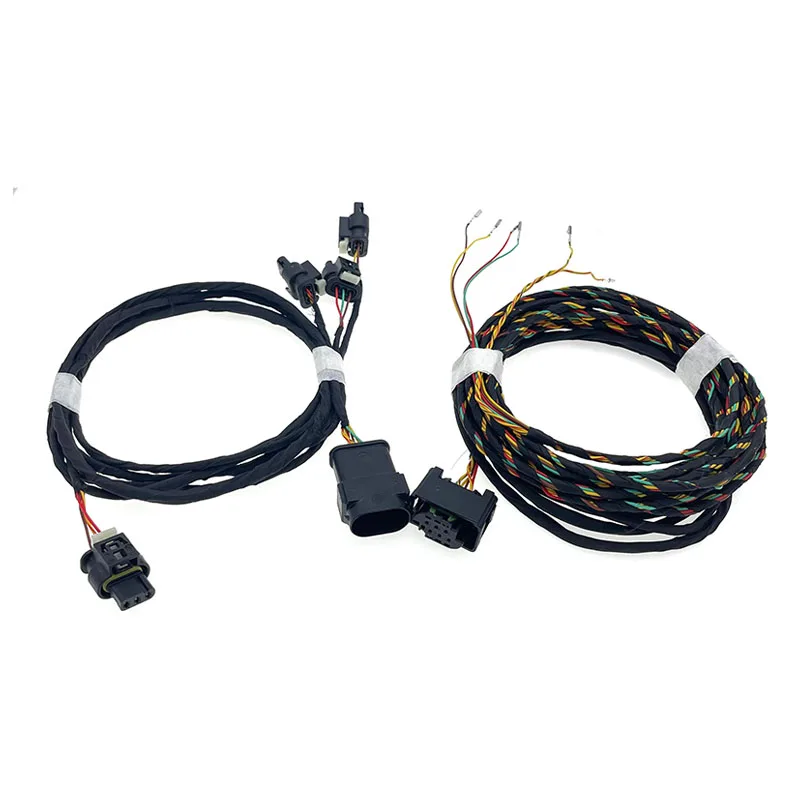
The Amplifier Connector POWER cable For Bowers&Wilkins F10 F30 F32 G20 G30 G15 addresses a specific need for BMW owners with factory premium audio systems. This replacement cable connects the Bowers & Wilkins amplifier to your vehicle's power supply, essential when performing audio system repairs, upgrades, or troubleshooting connectivity issues in compatible BMW chassis.
BMW Chassis Compatibility Overview
This power cable specifically fits BMW F-Series and G-Series models equipped with the Bowers & Wilkins sound system option. The F10 designation covers 5-Series sedans, while F30 and F32 include 3-Series sedans and 4-Series coupes respectively. The G-Series compatibility extends to newer generation models including G20 3-Series, G30 5-Series, and G15 8-Series. Each chassis uses slightly different routing paths, but the connector specifications remain standardized across these platforms.
BMW's Bowers & Wilkins systems typically feature a dedicated amplifier mounted either under the front passenger seat or in the trunk area, depending on the model. The power cable must handle continuous current draw ranging from 15 to 25 amperes during peak audio output. OEM cables use multi-strand copper conductors with 10-12 AWG gauge sizing to minimize voltage drop and ensure clean power delivery to the amplifier's internal circuits.
Why You Might Need a Replacement Cable
Power cable failure in BMW audio systems typically stems from three sources: connector pin corrosion from moisture intrusion, wire insulation degradation from heat cycling near exhaust components, or physical damage during other vehicle repairs. Symptoms include intermittent amplifier operation, complete system failure, or a persistent warning message on the iDrive display indicating an audio system malfunction. The amplifier itself may enter protection mode if it detects irregular power supply characteristics.
Some enthusiasts also replace this cable when installing aftermarket signal processors or when relocating the factory amplifier for custom audio builds. The standardized connector design allows for strategic upgrades without modifying the vehicle's wiring harness permanently, preserving resale value while maintaining system functionality.
Technical Specifications That Matter
Genuine BMW and quality aftermarket cables feature specific construction elements that directly impact performance. The connector housing should use high-temperature nylon or polycarbonate materials rated to at least 105°C continuous operating temperature. Internal contact pins must be gold-plated or tin-plated copper to resist oxidation in the automotive environment where temperature and humidity fluctuate significantly.
Wire gauge matters considerably for power delivery. Undersized conductors create excessive resistance, leading to voltage drop that starves the amplifier of clean power during dynamic musical passages. Look for cables using minimum 12 AWG copper conductors, with 10 AWG being preferable for longer cable runs exceeding two meters. The insulation should meet or exceed DIN 72551 automotive wiring standards for abrasion resistance and flame retardancy.
Connector keying is critical for proper fitment. BMW uses specific pin configurations that prevent incorrect installation, but aftermarket cables sometimes feature slightly loose tolerances that can create intermittent connections. Verify the connector shell matches factory specifications with proper locking tabs and sealing gaskets to prevent moisture entry into the connection point.
Installation Considerations
Accessing the Bowers & Wilkins amplifier varies by chassis code. F-Series models typically mount the amplifier under the front passenger seat, requiring seat removal by disconnecting four Torx bolts and the seat occupancy sensor connector. G-Series vehicles may position the amplifier in the trunk's left side panel, accessed by removing trim panels secured with plastic clips and T20 Torx fasteners.
Before disconnecting any cables, disconnect the battery negative terminal and wait at least 15 minutes to allow capacitors in the audio system to discharge fully. The power connector typically features a secondary locking mechanism—a small tab or slider that must be pressed before the main connector can be withdrawn. Forcing the connector without releasing this lock can break the housing permanently.
When installing the new cable, ensure the routing matches the factory path exactly. BMW uses specific wire channels and tie-down points to prevent the cable from contacting hot surfaces or moving components. Incorrect routing can lead to premature cable failure or create rattles that are difficult to diagnose later. Apply dielectric grease to the connector pins before mating to improve corrosion resistance and ensure optimal electrical contact.
OEM vs Aftermarket Cable Differences
BMW genuine parts carry significantly higher pricing but include manufacturer warranty coverage and guaranteed fitment. The connectors use Kostal or Delphi components that match factory specifications precisely. Aftermarket cables from specialized suppliers often provide equivalent functionality at reduced cost, though quality varies considerably between manufacturers.
Recommended Products
Hand-picked accessories related to this article
Premium aftermarket options may actually exceed OEM specifications by using oxygen-free copper conductors or upgraded insulation materials. Budget alternatives sometimes compromise on connector quality, using brass rather than copper contact pins or PVC insulation that becomes brittle faster than the original components. For critical audio system repairs, prioritizing connector quality over cable length flexibility typically yields better long-term reliability.
Avoiding Common Installation Mistakes
The most frequent error involves reconnecting the battery before verifying all audio system connections are secure and properly routed. This can trigger fault codes that require BMW-specific diagnostic tools to clear. Always complete the installation fully, verify connector engagement by gentle tugging, and only then reconnect the battery.
Another common issue is neglecting to reset the audio system after cable replacement. Many BMW models require cycling the ignition through three complete on-off cycles without starting the engine to allow the amplifier to reinitialize and recalibrate its protection circuits. Failing this step may result in reduced output or persistent warning messages despite correct installation.
Complementary Products Worth Considering
While this guide focuses specifically on power cables for Bowers & Wilkins systems, other upgrade paths exist for BMW audio enhancement. Budget-conscious alternatives like the Fosi Audio Bluetooth amplifiers offer standalone solutions for different applications, though these aren't direct replacements for integrated factory systems. The specialized BMW cable remains the appropriate choice for maintaining factory audio system functionality while addressing power delivery issues.
Key Takeaways
- Verify exact BMW chassis compatibility (F10, F30, F32, G20, G30, G15) before purchasing
- Prioritize cables with minimum 12 AWG copper conductors and gold-plated connectors
- Disconnect battery and wait 15 minutes before beginning any amplifier work
- Match factory cable routing exactly to prevent premature wear or rattles
- Cycle ignition three times after installation to reset amplifier calibration
Frequently Asked Questions
Will this cable work with non-Bowers & Wilkins BMW audio systems?
No, this cable is specifically designed for BMW models equipped with the optional Bowers & Wilkins premium sound system. Standard HiFi or base audio systems use different amplifier locations and connector configurations that are not compatible with this power cable design.
Can I use this cable to relocate my amplifier for trunk space?
While the cable provides the electrical connection, relocating the amplifier requires consideration of additional factors including cooling requirements, signal cable length limitations, and potential warranty implications. The amplifier generates significant heat and relies on factory mounting location airflow for cooling.
How do I know if my existing power cable has failed?
Common symptoms include complete audio system failure, intermittent sound cutting in and out, reduced maximum volume levels, or iDrive error messages referencing the audio amplifier. Visual inspection may reveal melted insulation, corroded connector pins, or physical damage to the cable jacket.
What tools are required for installation?
Basic installation requires T20 and T30 Torx drivers, 10mm socket for battery terminal, plastic trim removal tools, and dielectric grease. Depending on your specific chassis, you may also need E12 external Torx sockets for seat removal on certain models.
This article was produced through comprehensive AI-powered research and editorial tools. While we strive for accuracy, all vehicle modifications, product purchases, and installation decisions are undertaken entirely at your own risk and responsibility. We recommend consulting a qualified automotive professional before making any changes to your vehicle.