Retrofit adapter cables enable modern infotainment and digital instrument cluster upgrades in BMW and Audi vehicles without requiring complete wiring harness replacements. These plug-and-play solutions bridge older factory connectors to newer display systems, allowing owners to add navigation, digital gauges, and updated interfaces to vehicles that originally shipped with basic equipment.
BMW NBT EVO Navigation Retrofit Cables
The Cable adapter OABR Retrofit ENTRYNAV NBT EVO targets BMW F-series vehicles including F10 (5 Series), F30 (3 Series), F01 (7 Series), F20 (1 Series), and M models like the F80 M3 and F82/F83 M4. This adapter specifically handles the ENTRYNAV to NBT EVO conversion, which represents upgrading from BMW's entry-level navigation system to the more advanced NBT Evolution iDrive interface introduced around model year 2013-2014.
NBT EVO systems feature faster processors, improved graphics rendering, touchpad controllers in some models, and support for additional features like split-screen functionality and enhanced smartphone integration. The OABR designation refers to the optical audio bus retrofit capability, which maintains proper signal routing between the head unit and amplifier systems during the upgrade. Without this specific adapter, audio channels may not function correctly or require extensive rewiring of the MOST (Media Oriented Systems Transport) fiber optic network.
F-Series Compatibility Considerations
BMW F-series vehicles used different iDrive generations depending on production date and original equipment packages. Early F30 models (2012-2013) typically shipped with CIC (Car Information Computer) or ENTRYNAV systems, while mid-cycle refreshes received NBT or NBT EVO from the factory. Retrofitting requires not just the adapter cable but also verification that the vehicle's electrical architecture supports the newer head unit's power requirements and CAN bus communication protocols.
The F10 5 Series underwent similar evolution, with pre-LCI (pre-facelift) models using older systems and LCI models receiving NBT or NBT EVO. The adapter cable handles the physical connection layer, but successful retrofits also require coding changes through BMW's ISTA programming software to activate new features and ensure proper module communication. The M3 and M4 models present additional complexity due to their unique gauge cluster integration and M-specific menu structures.
Audi Digital Instrument Cluster Adapters
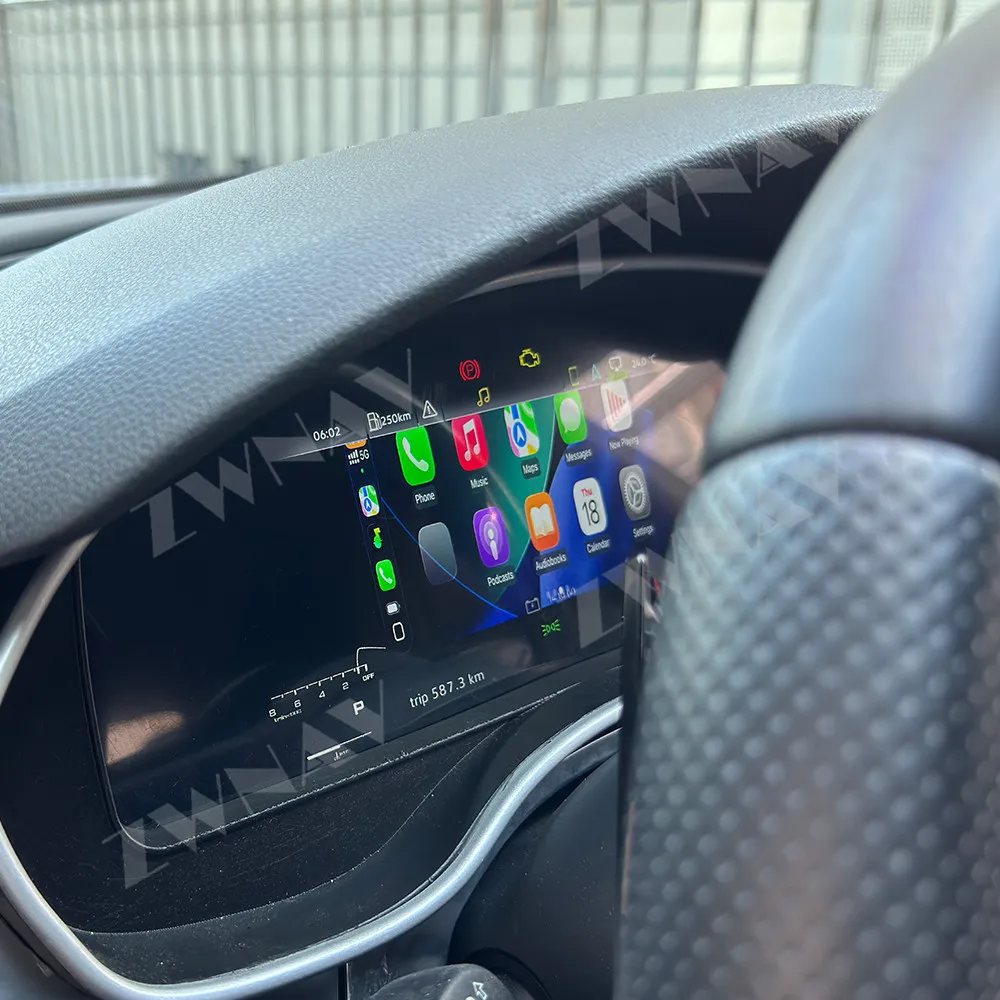
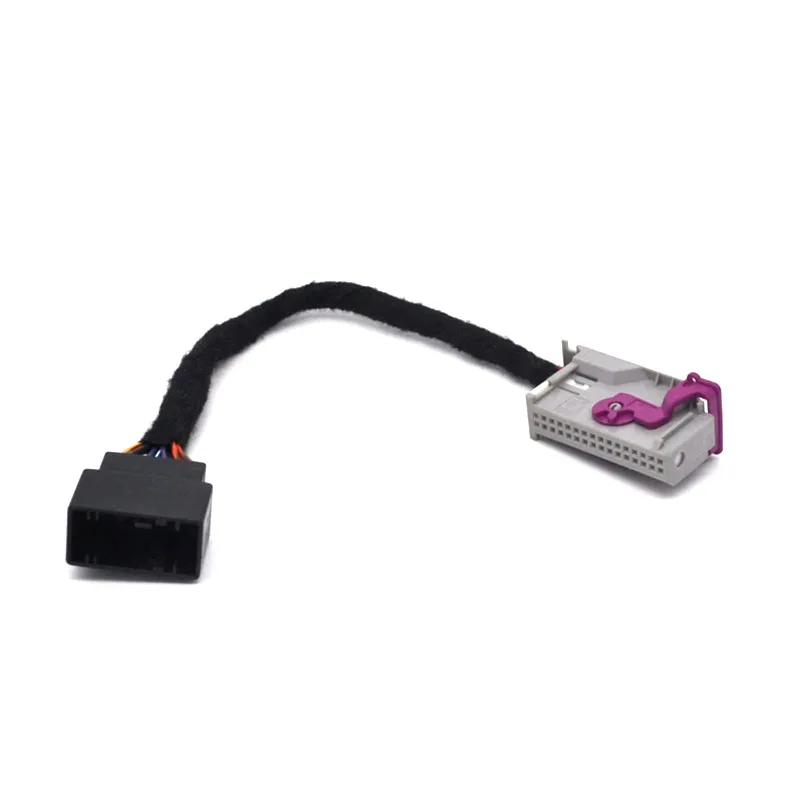
The Retrofit Adapter digital LCD cluster Instrument Tacho cable for A3 8v S3 addresses Audi's transition from analog-digital combination instruments to fully digital displays. The 8V A3 generation (2013-2020) offered both traditional gauge clusters and Audi's Virtual Cockpit digital display as optional equipment, creating a significant market for aftermarket upgrades among owners with base-spec vehicles.
This adapter cable connects the vehicle's existing wiring harness to the digital LCD cluster hardware, translating signal protocols and voltage levels between the car's gateway module and the new display. Audi's MQB platform vehicles use the CAN bus extensively for instrument cluster communication, transmitting data from the engine control unit, ABS module, transmission controller, and other systems to the display. The adapter must correctly map these signals to prevent missing data or incorrect readings.
Signal Conversion and Pin Mapping
Digital instrument cluster retrofits require precise pin mapping because analog tachometer signals (typically square-wave voltage pulses directly from the ignition coil or ECU) differ fundamentally from digital CAN bus messages. The adapter cable includes circuitry or relies on specific pin assignments to ensure the LCD cluster receives data in the expected format. Some implementations require the cluster to be coded for the specific engine variant, as different powertrains send tachometer data at different scaling factors.
The S3 variant adds complexity due to its turbocharged engine and additional performance monitoring parameters like boost pressure and oil temperature. Premium digital clusters may display this data when properly coded, but the adapter cable must support pass-through of these additional CAN messages. Vehicle identification number (VIN) coding ensures the cluster displays appropriate warning lights and menu options for the installed equipment level.
Installation Technical Requirements
Both BMW and Audi retrofit adapter cables require physical access to modules typically located behind the dashboard. BMW NBT head unit installations involve removing the center console trim, disconnecting the existing radio or navigation unit, and connecting the adapter between the vehicle's harness and the new NBT EVO module. The MOST fiber optic ring must remain intact, as breaking the connection will disable audio throughout the vehicle.
Audi instrument cluster retrofits demand steering wheel removal and gauge cluster extraction, which triggers airbag system warnings if not performed correctly. Battery disconnection is mandatory to prevent accidental airbag deployment and to allow proper module reinitialization. After physical installation, both systems require diagnostic software coding to activate features and clear adaptation faults.
Recommended Products
Hand-picked accessories related to this article
SaleCable adapter OABR Retrofit ENTRYNAV NBT EVO For F10 F30 F01 F20 F80 M3 M4 X
 Sale
SaleRetrofit Adapter digital LCD cluster Instrument Tacho cable for A3 8v S3
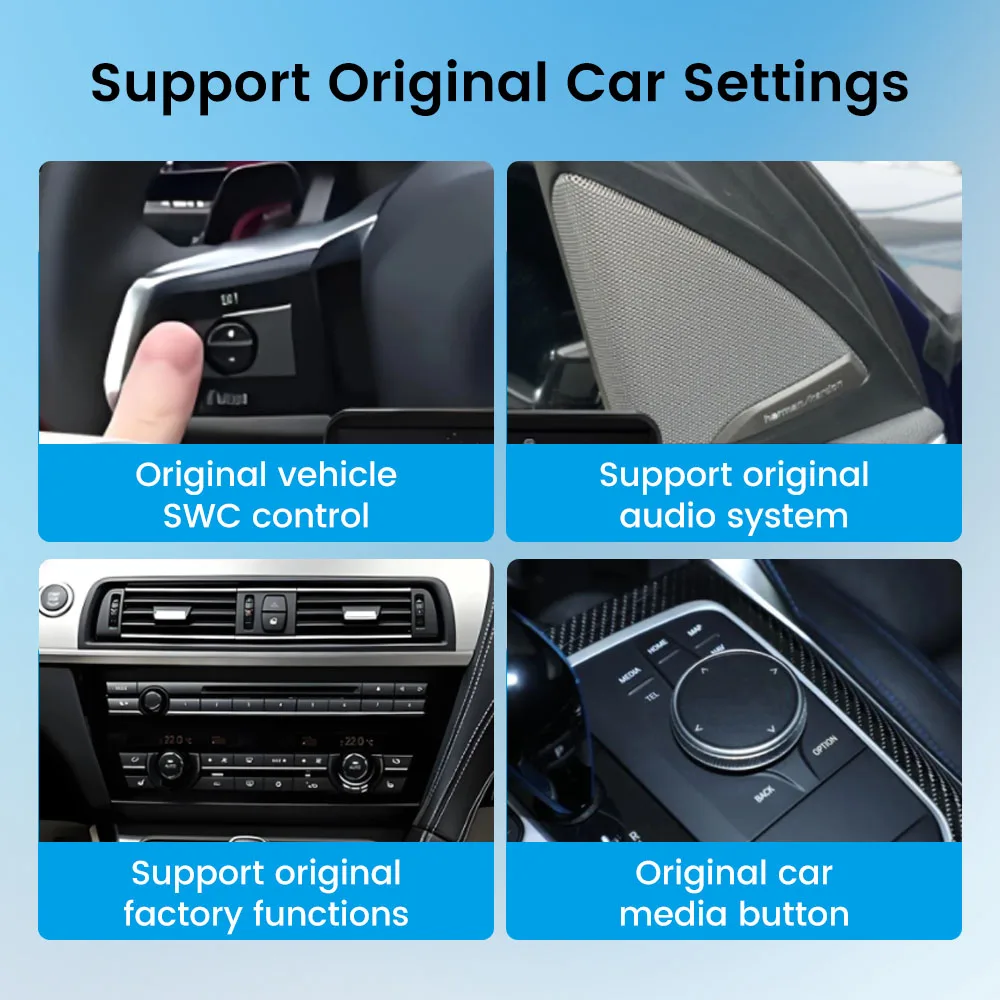
For BMW 3 4 Series 2012-2017 NBT EVO System Car Radio GPS Navigation Multimedia Display Head Unit Video Player Carplay 10.25”
 Sale
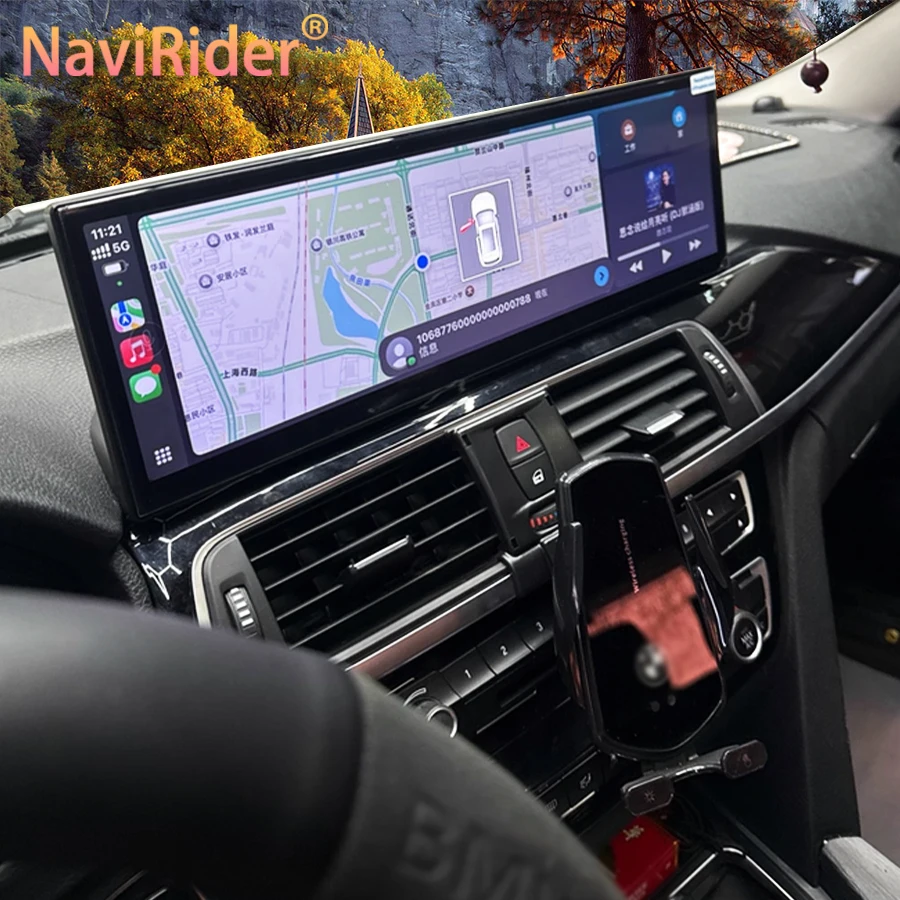
Sale14.9" For BMW 3 Series F30-F36 2013-2019 NBT EVO System LHD Car Radio Stereo GPS Navigation Multimedia Player Carplay Head Unit
 Sale
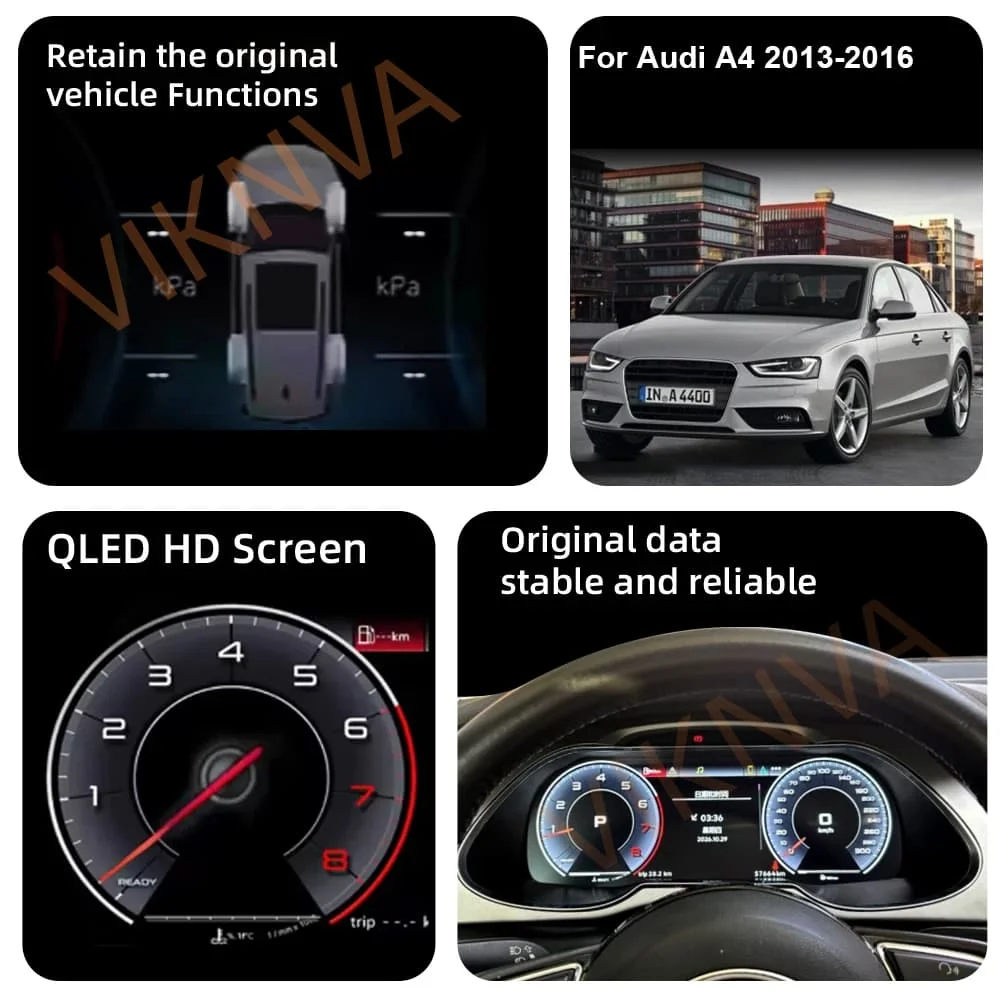
Sale12.3 inch Auto Lcd Dashboard Panel For Audi A4 2013-2016 Year Digital Cluster Instrument Display Snelheidsmeter Virtual Cockpit
 Sale
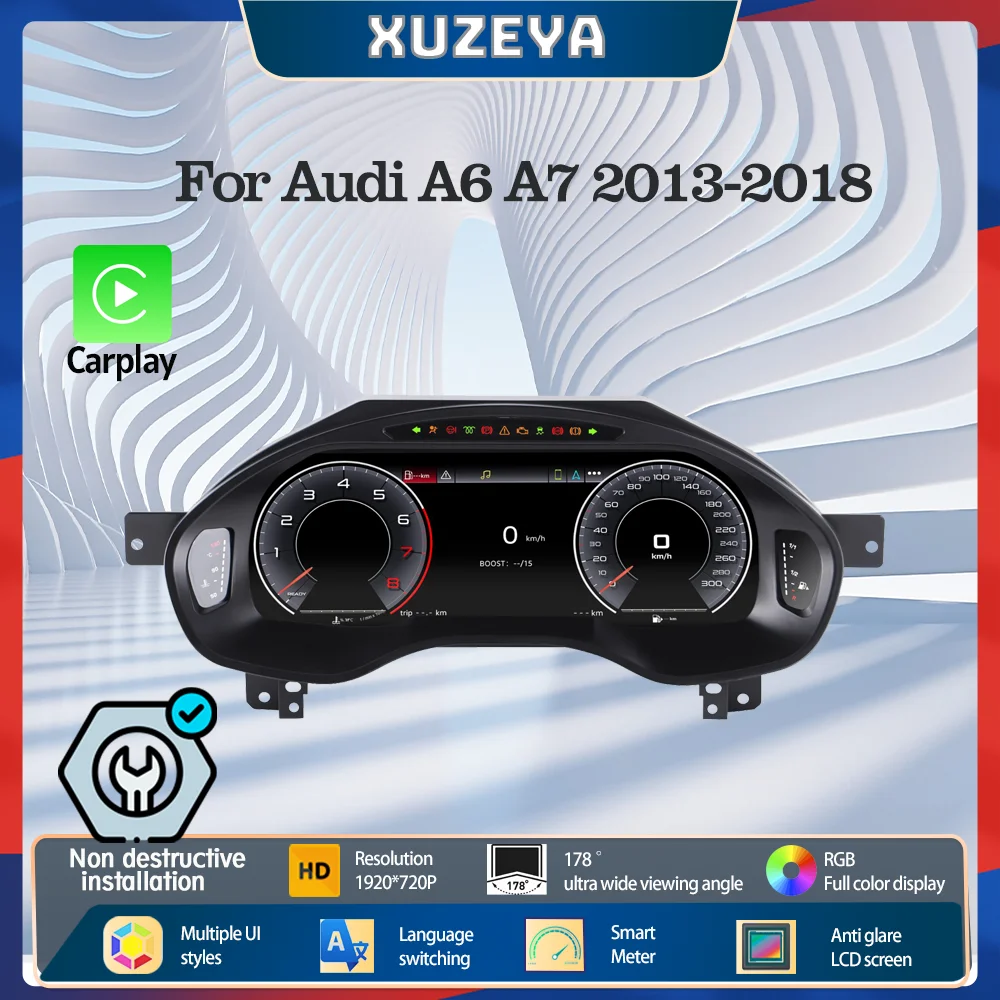
Sale12.3' HD virtual cockpit LCD Digital Instrument Cluster For Audi A6 A7 2013-2018 CarPlay Speedometer,Dashboard, plug & play
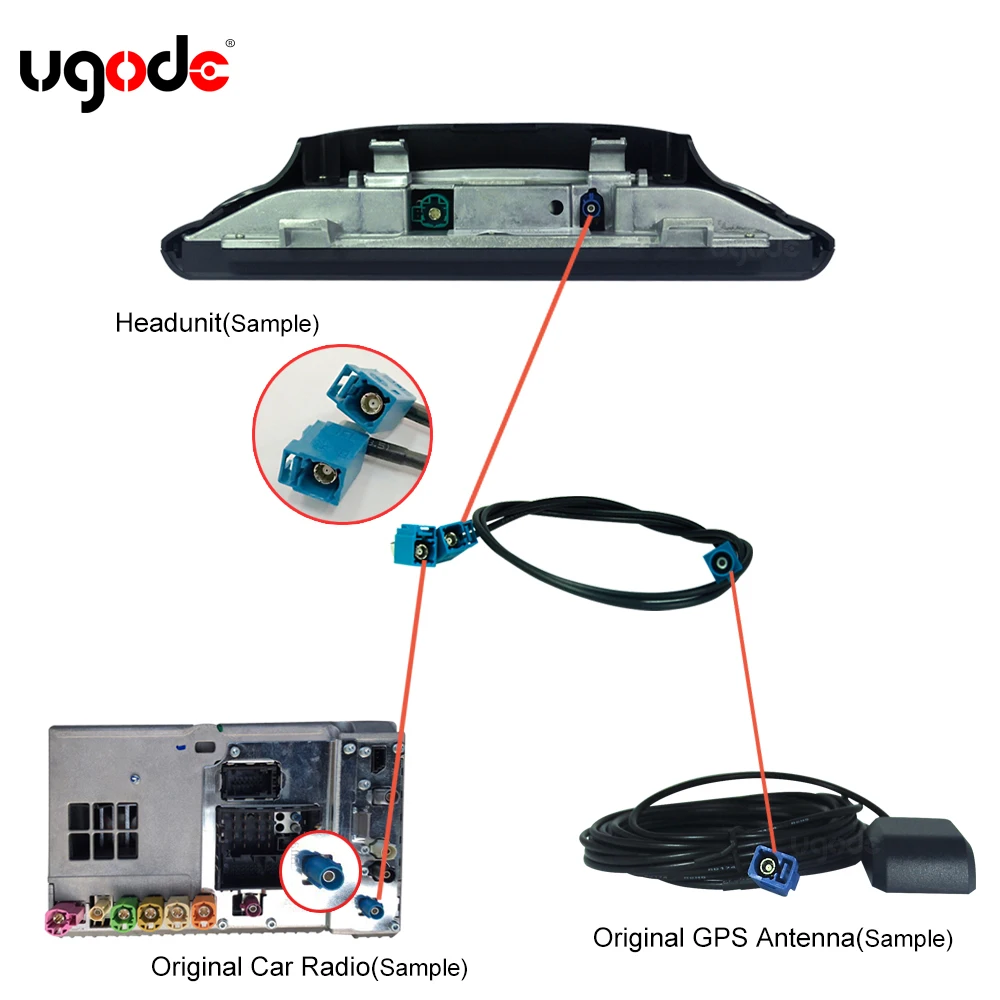
Ugode GPS Antenna Splitter Cable for BMW Mercedes Benz Audi Car Navigation Retrofit Adapter Android Head Unit Fakra Connector
Software Coding Essentials
BMW retrofits require ISTA-P or third-party coding tools like E-Sys to update the central gateway module (ZGW), head unit, and other affected modules with new configuration files. This process writes vehicle order codes (VO codes) that tell each module what hardware is installed and which features should be active. Incorrect coding can result in non-functional navigation, missing menu options, or persistent warning messages.
Audi systems use VCDS (VAG-COM Diagnostic System) or ODIS for similar coding procedures. The instrument cluster, gateway, and MMI (Multi Media Interface) modules must be adapted to recognize the new hardware. Long coding strings in the gateway module enable features like needle sweep on startup, configurable display layouts, and proper warning light functionality for the specific model and equipment level.
Quality Indicators and Common Issues
Premium retrofit adapter cables use OEM-grade connectors with gold-plated pins and proper strain relief to prevent connection failures from vibration. Low-quality adapters may use incorrect wire gauges that cause voltage drops, leading to intermittent operation or module communication errors. Check that connectors match the factory plugs exactly—forcing ill-fitting connectors can damage expensive modules.
Common installation issues include incomplete MOST ring connections in BMW vehicles, causing no audio output or error messages about optical bus faults. In Audi applications, incorrect pin mapping manifests as erratic tachometer readings, non-functional warning lights, or displays showing incorrect units (km/h instead of mph). These problems typically stem from adapters designed for different model years or equipment variants than the target vehicle.
Alternative Approaches and Considerations
While dedicated retrofit adapter cables simplify installations, some enthusiasts opt for complete OEM wiring harness swaps from donor vehicles. This approach eliminates compatibility concerns but requires extensive disassembly and knowledge of electrical systems. The cable adapter method reduces installation time from days to hours, making it practical for DIY installations with basic tools and diagnostic software access.
Cost-benefit analysis should include coding software expenses, as dealer-level diagnostics may require subscription fees or specialized hardware interfaces. Independent specialists often offer coding services for fixed fees, which may prove more economical than purchasing software licenses for a single retrofit project. Factor these costs when comparing the €19.59 adapter cables to full professional installation quotes.
Key Takeaways
- BMW NBT EVO retrofit cables enable navigation upgrades in F-series vehicles while maintaining optical audio bus functionality
- Audi A3 8V digital cluster adapters convert analog signals to digital protocols for Virtual Cockpit retrofits
- Both applications require post-installation coding with manufacturer diagnostic software to activate features
- Quality connectors with proper pin mapping prevent module damage and ensure reliable long-term operation
- Physical installation demands dashboard disassembly and proper module handling to avoid airbag system faults
Frequently Asked Questions
Will these adapter cables work without additional coding?
No, both BMW NBT EVO and Audi digital cluster retrofits require diagnostic software coding after physical installation. The adapter provides the electrical connection, but modules must be programmed to recognize new hardware and activate features. Without proper coding, you'll experience error messages, missing functions, or non-operational displays.
Do I need to replace other modules besides the head unit or cluster?
BMW NBT EVO retrofits may require GPS antenna, telematics module, and controller updates depending on the original equipment level. Audi digital cluster swaps typically need only the display and adapter if the vehicle already has the premium gateway module. Check specific VIN compatibility as early and late production vehicles within the same generation may differ.
Can these adapters cause electrical problems or void warranties?
Quality adapters using correct wire gauges and connectors pose minimal electrical risk when properly installed. However, any aftermarket modification can complicate warranty claims if dealers attribute unrelated failures to unauthorized changes. Most retrofits in older vehicles outside factory warranty periods present no warranty concerns. Always disconnect the battery before beginning installation to protect sensitive electronics.
How do I identify which iDrive or cluster version my vehicle currently has?
BMW vehicles display iDrive version in the settings menu under system information, or check the head unit label accessible after partial removal. Audi instrument cluster types are visible through the steering wheel—analog gauges with small central displays indicate standard clusters, while full-width screens indicate digital versions. VIN decoding through manufacturer databases reveals original equipment specifications for verification before purchasing adapters.
This article was produced through comprehensive AI-powered research and editorial tools. While we strive for accuracy, all vehicle modifications, product purchases, and installation decisions are undertaken entirely at your own risk and responsibility. We recommend consulting a qualified automotive professional before making any changes to your vehicle.