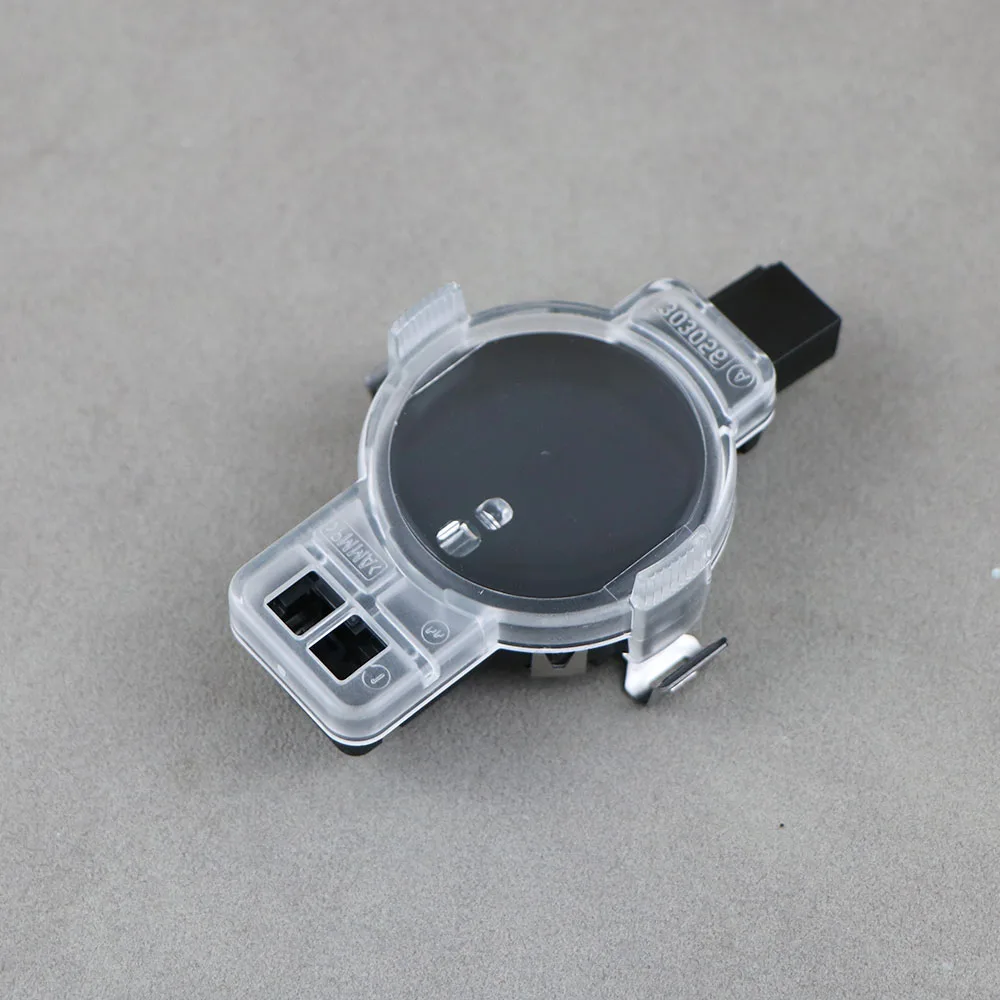
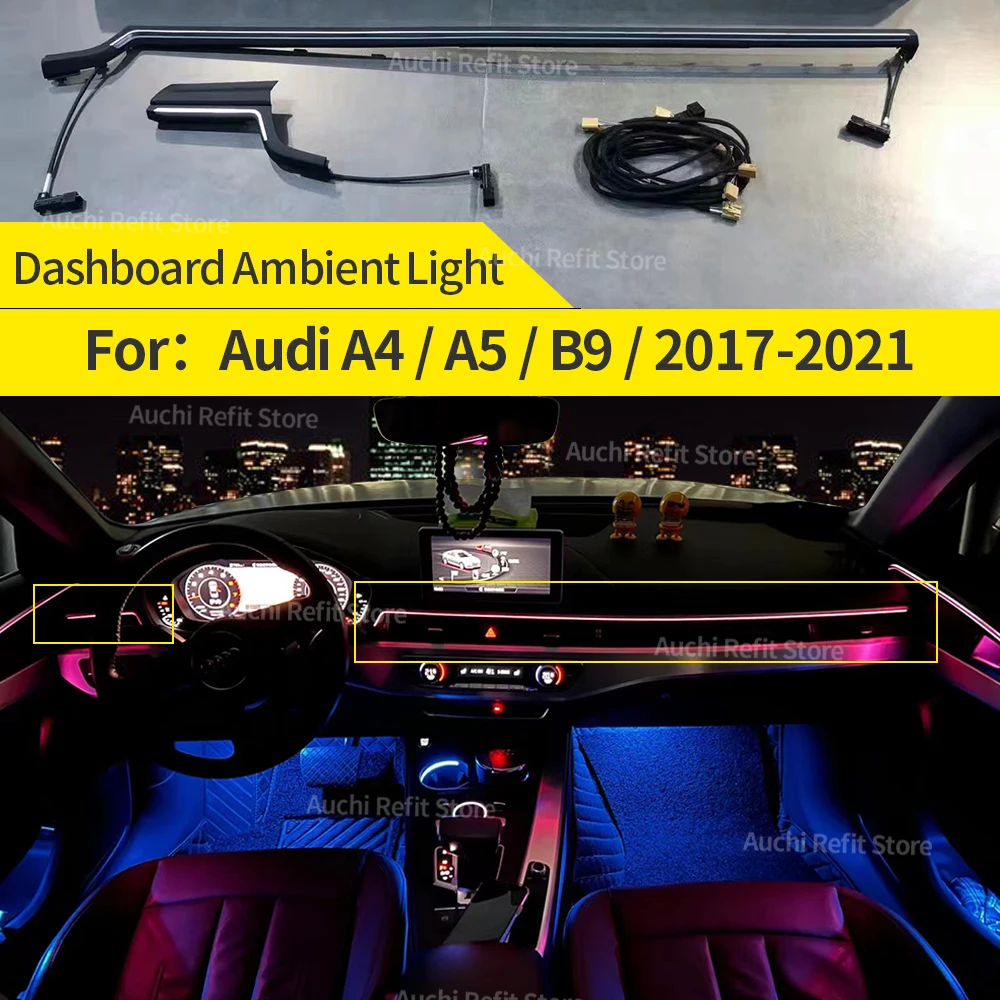
Retrofitting keyless entry comfort access to an Audi A4 B9 or A5 F5 involves installing a Kessy system retrofit kit, performing vehicle coding through OBD diagnostics, and programming door handle sensors. The complete upgrade typically costs between $79 and $150 depending on component quality, with installation requiring basic electrical knowledge and access to VCDS or OBDeleven coding software.
Understanding the Kessy Comfort Access System
The Kessy (Keyless Entry Start and Exit System) allows Audi drivers to unlock doors by touching the handle while carrying the key fob within 1.5 meters of the vehicle. The system uses capacitive sensors integrated into door handles that detect the proximity of the authorized key fob through radio frequency identification at 434 MHz.
Factory-equipped Kessy systems on the A4 B9 generation include touch sensors on all four door handles plus the trunk lid. The comfort access module communicates with the vehicle's CAN bus network to verify key authorization before triggering the locking mechanism. Response time from touch to unlock averages 0.3 seconds when properly calibrated.
Vehicles manufactured without this feature from the factory lack the necessary wiring harnesses, control modules, and sensor-equipped door handles. A complete retrofit addresses all these missing components while maintaining compatibility with existing remote key fobs and alarm systems.
Required Components for Retrofit Installation
The core component is the Kessy Control Module, which serves as the central processing unit for the entire keyless entry system. This module typically carries part number 8W0 959 754 for A4 B9 models and must match the vehicle's production year for proper CAN bus communication protocol compatibility.
Replacement door handles with integrated capacitive sensors are essential. The A4 B9 requires four handles for full functionality, though budget installations may opt for front doors only. Each handle contains a touch-sensitive surface connected via a three-wire harness to the Kessy module.
Wiring harnesses connect the new handles to the existing vehicle electrical system. Pre-made retrofit harnesses eliminate the need for wire splicing and include proper connectors that match factory specifications. These harnesses route through door jambs using existing rubber boots to maintain weather sealing.
Additional components include antenna rings for the door handles, mounting brackets, and security coding cards. The antenna rings amplify the key fob signal for reliable detection within the specified range. Some retrofit kits available for $79.46 on marketplace platforms bundle all necessary hardware in a single package.
Choosing Between Complete and Partial Retrofit Kits
Complete retrofit kits include control modules, all four door handles, wiring harnesses, antennas, and installation hardware. These comprehensive packages ensure compatibility across all components and typically range from $149 to $200 before any promotional discounts. They represent the most reliable option for vehicles lacking any Kessy components.
Partial kits focus on front door installation only, reducing cost to approximately $79 while maintaining core functionality. This approach works well for single drivers who primarily use the driver's door. Rear door and trunk access remain key fob dependent with this configuration.
Premium retrofit packages from specialized tuning suppliers include additional features like automatic locking when walking away from the vehicle. These advanced systems require more extensive coding and may cost $300 or more, but offer functionality identical to factory-equipped vehicles.
Verifying Kit Compatibility
The A4 B9 platform spans chassis code 8W and covers production from late 2015 through current models. The A5 F5 generation uses identical components and coding procedures. Verify that retrofit kits specifically list these chassis codes to ensure proper fitment of door handles and electrical connectors.
Some early B9 vehicles may require additional coding authorization depending on the installed gateway module version. Vehicles with gateway part numbers starting with 8W0 907 530 A or later support Kessy activation without dealer intervention. Earlier gateway versions may need component protection removal.
Step-by-Step Installation Process
Begin by disconnecting the vehicle battery negative terminal and waiting 15 minutes for capacitor discharge in the electrical system. This prevents accidental airbag deployment and protects sensitive electronics during installation. Use a 10mm wrench to remove the battery terminal.
Remove existing door handles by opening each door and locating the two Torx T20 screws accessible from the door edge. Gently pull the handle assembly outward while disconnecting the mechanical lock cylinder cable. On vehicles without Kessy preparation, no electrical connector will be present.
Install the new sensor-equipped handles by routing the three-wire harness through the door cavity toward the door control module location. Connect the harness to the pre-installed retrofit wiring loom, ensuring the connector clicks securely into place. Mount the handle assembly and torque the Torx screws to 5 Nm.
Mount the Kessy control module in the designated location beneath the driver's side dashboard. The module typically installs behind the lower dash panel, accessible by removing three clips along the panel bottom edge. Connect the main harness to the module and secure it with the provided mounting bracket.
Connect all door handle harnesses to the Kessy module through the junction points in each door jamb. Use the existing rubber boots to route wires without compromising weather sealing. Secure loose wiring with zip ties every 15 centimeters to prevent rattling.
Testing Physical Installation
Reconnect the battery and verify that door locks respond to the key fob remote buttons. This confirms basic electrical connectivity before proceeding to coding. The keyless entry function will not work until proper coding activates the Kessy module in the vehicle's system.
Essential Coding Procedures Using VCDS
Vehicle coding activates the installed hardware through software changes in the vehicle's control modules. VCDS (VAG-COM Diagnostic System) represents the most comprehensive tool for this process, offering direct access to all necessary coding blocks and adaptation channels.
Connect the VCDS interface cable to the OBD-II port located beneath the steering column. Launch the VCDS software and select "Select Control Module" followed by "09 - Central Electrics." This accesses the central convenience module that manages locking functions.
Navigate to "Coding" and modify the long coding helper to activate Kessy functionality. Locate byte 03 and change bit 0 to "Enabled" for basic keyless entry. Byte 04 bit 2 enables trunk access if equipped with a sensor-equipped trunk handle.
Perform adaptation channel adjustments by selecting "Adaptation - 10" and modifying channel "Kessy Lock Range" to value 3. This sets the detection range to approximately 1.5 meters from the vehicle. Lower values reduce range to 1 meter, while higher values extend to 2 meters but may cause unintended unlocking.
Gateway Module Configuration
Access "19 - CAN Gateway" from the main control module menu. Select "Coding" and verify that the installed equipment list includes function code "4E0" for Kessy comfort access. If absent, manually add this code to the equipment list and save the configuration.
Some gateway versions require component protection removal before accepting Kessy coding. This process varies by gateway hardware version and may require dealer-level access credentials. Vehicles produced after mid-2017 typically allow coding without protection removal.
Alternative Coding with OBDeleven
OBDeleven provides a smartphone-based alternative to VCDS using a Bluetooth OBD adapter. The application costs $69 for the Pro license that includes coding capabilities. This option suits DIY installers without access to laptop-based diagnostic equipment.
Recommended Products
Hand-picked accessories related to this article
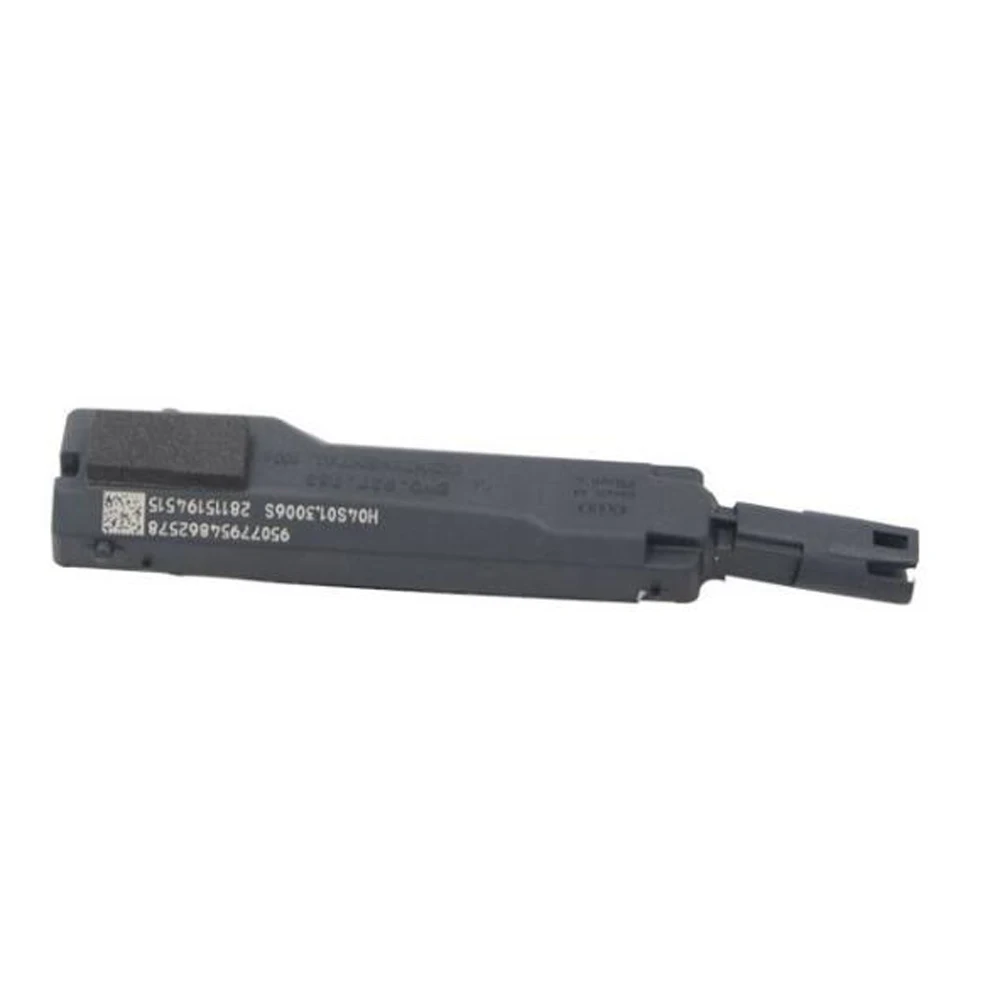
For Audi A4 B9 S4 RS4 A5 S5 Q5 2017 2018 2019 2020 2021 2022 2023 2024 KESSY Door Handle Keyless Exterior Sensor 8W0927753 /754
 Sale
Salefor Audi A4 B9 Q5 A5 2018 2019 2020 Door Handle Exterior Sensor kessy switch 8w0927753
For Audi A4 B9 S4 RS4 A5 S5 Q5 2017 2018 2019 2020 2021 2022 2023 2024 KESSY Door Handle Keyless Exterior Sensor 8W0927753 /754
Salefor Audi A4 B9 Q5 A5 2018 2019 2020 Door Handle Exterior Sensor kessy switch 8w0927753
Launch the OBDeleven app and connect to the vehicle through the Bluetooth adapter. Navigate to "One-Click Apps" and search for "Kessy Activation A4 B9." This automated routine performs the necessary coding changes across multiple control modules with a single execution.
Manual coding through OBDeleven follows a similar process to VCDS but uses a simplified interface. Select "Central Electrics" from the control module list, then "Adaptations" to access the Kessy configuration options. The app displays only relevant adaptation channels, reducing the risk of incorrect modifications.
After coding completion, cycle the ignition off and on three times to force the system to recognize configuration changes. Test keyless entry by approaching the vehicle with the key fob in your pocket and touching the door handle sensor area. The door should unlock within 0.5 seconds.
Troubleshooting Common Installation Issues
If door handles fail to respond after coding, verify the physical connection of all harness connectors. A loose connection at the Kessy module prevents proper communication with door handle sensors. Remove the module and inspect each connector for bent pins or incomplete insertion.
Inconsistent unlocking response indicates improper adaptation channel settings. Access the "Kessy Lock Range" adaptation and reduce the value by 1. Excessive range causes the system to unlock when approaching from too far away, while insufficient range requires touching the handle multiple times.
Error codes in the Central Electrics module after installation typically reference missing component addresses. Clear all fault codes using the diagnostic tool, then perform an "Auto Scan" to identify persistent issues. Address any remaining codes before attempting to use the system.
Key Fob Synchronization Problems
Existing key fobs may require resynchronization after Kessy installation. Press the unlock button on the fob while touching the door handle sensor simultaneously. This forces the system to recognize the fob's unique identification code within the new Kessy framework.
Some vehicles require all key fobs to be reprogrammed through the control module adaptation menu. Select "Key Adaptation" in the Central Electrics module and follow the on-screen prompts to register each fob. The system accommodates up to 8 unique key fobs per vehicle.
Cost Analysis and Budget Considerations
Entry-level retrofit kits start at $79 for front door only installations with basic components. These kits include the Kessy module, two door handles, and minimal wiring. Installation time averages 3 hours for experienced DIY mechanics, reducing overall project cost.
Complete four-door installations with all handles and comprehensive wiring typically cost $149 before promotional discounts. Premium kits from specialized Audi tuning suppliers reach $200 but include upgraded components with improved durability and faster sensor response times.
Professional installation at independent shops ranges from $150 to $300 for labor, bringing total project cost to $229 to $500 depending on kit selection. Dealership installation adds significantly more, with quotes often exceeding $800 for parts and labor combined.
Diagnostic software represents an additional investment. VCDS licenses cost $199 for unlimited VIN use, while OBDeleven hardware and Pro subscription total approximately $100. These tools provide value beyond this single project for ongoing vehicle maintenance and modifications.
Maintaining Your Keyless Entry System
Door handle sensors require periodic cleaning to maintain sensitivity. Use isopropyl alcohol on a microfiber cloth to remove residue from the touch surface every 3 months. Avoid harsh chemicals that damage the capacitive layer beneath the handle's outer surface.
Monitor key fob battery voltage through the vehicle's instrument cluster display. Most A4 B9 models alert drivers when fob battery drops below 2.8 volts. Replace batteries immediately when warned to prevent detection range reduction that causes keyless entry failure.
Inspect door jamb wiring during routine maintenance to ensure no chafing occurs against body panels. The constant opening and closing of doors creates friction points that may wear through insulation over time. Reposition any wires showing signs of wear and add protective sleeving.
Legal and Warranty Considerations
Aftermarket Kessy retrofits do not affect factory warranty coverage when installed properly. The Magnuson-Moss Warranty Act prevents manufacturers from voiding entire warranties due to aftermarket modifications unless the specific modification causes the failure in question.
Some insurance providers offer premium reductions for vehicles equipped with keyless entry systems due to enhanced security features. Contact your insurance agent to determine if the retrofit qualifies for any available discounts on comprehensive coverage.
Certain jurisdictions require disclosure of aftermarket electronic modifications during vehicle registration renewal. Consult local vehicle code regulations to determine if Kessy retrofits must be documented on registration paperwork.
Key Takeaways
- Complete Kessy retrofit kits for Audi A4 B9 cost between $79 and $150 depending on component coverage and quality grade.
- Installation requires replacing door handles with sensor-equipped versions, mounting the Kessy control module, and routing new wiring harnesses through door jambs.
- Vehicle coding through VCDS or OBDeleven activates the installed hardware by enabling Kessy functions in the Central Electrics control module.
- Front door only installations reduce cost while maintaining primary keyless entry functionality for the driver's door.
- Proper adaptation channel configuration sets detection range between 1 and 2 meters from the vehicle.
- DIY installation takes approximately 3 to 5 hours with basic automotive electrical knowledge and proper diagnostic tools.
Frequently Asked Questions
Does keyless entry retrofit work with existing key fobs?
The Kessy retrofit uses existing key fobs without requiring replacements. The system recognizes the same 434 MHz radio frequency signals already programmed into your current fobs. Some vehicles may require fob resynchronization after installation by pressing the unlock button while touching the door handle sensor.
Can I install rear doors only and skip front door sensors?
Keyless entry systems require at least the driver's door sensor for proper functionality. The Kessy module uses the driver's door as the primary unlock point. Rear door only installations will not function correctly because the system expects front door sensor input to initiate the unlock sequence.
Will the retrofit affect my vehicle's alarm system?
Properly coded Kessy installations integrate seamlessly with factory alarm systems. The Central Electrics module manages both keyless entry and alarm functions through the same CAN bus network. The alarm arms and disarms through keyless entry just as it does with remote key fob operation.
How long do door handle sensors typically last?
Quality capacitive door handle sensors function reliably for 8 to 10 years under normal usage conditions. The sensors contain no moving parts that wear out, though exposure to extreme temperatures below -30°C or above 70°C may degrade the capacitive layer over time. Regular cleaning maintains optimal sensitivity throughout the sensor's lifespan.
Do I need dealer access to complete the coding?
Most A4 B9 vehicles produced after mid-2017 allow complete Kessy coding through aftermarket tools like VCDS or OBDeleven without dealer intervention. Earlier models may have gateway protection that requires dealer-level security access. Check your gateway module part number to verify if component protection removal is necessary before purchasing retrofit components.
This article was produced through comprehensive AI-powered research and editorial tools. While we strive for accuracy, all vehicle modifications, product purchases, and installation decisions are undertaken entirely at your own risk and responsibility. We recommend consulting a qualified automotive professional before making any changes to your vehicle.