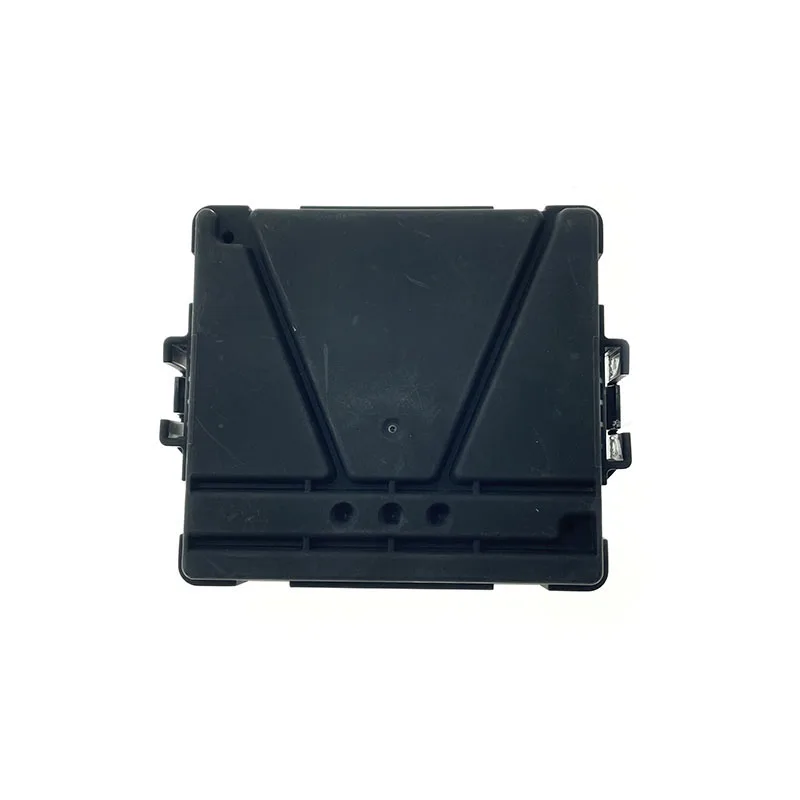
The 3Q0907338F dynamic headlight control module enables steering-responsive headlamp functionality on VW Tiguan and Passat B8 models that weren't originally equipped with this feature. This OEM-spec control unit manages adaptive front lighting systems (AFS) by synchronizing headlamp movement with steering wheel input, improving nighttime visibility through corners by up to 30 degrees of lateral illumination adjustment.
Understanding Dynamic Headlight Control Modules
The 3Q0 907 338 F module acts as the electronic brain for VW's adaptive lighting system, processing signals from the steering angle sensor and vehicle speed sensors. When you turn the steering wheel, this module calculates the optimal headlamp angle and sends commands to the headlamp servo motors. Factory-installed in higher-trim Tiguan and Passat B8 variants, this module can be retrofitted to base models that have the mechanical headlamp hardware but lack the electronic control functionality.
This control module operates on the vehicle's CAN bus system at 12V DC, continuously monitoring steering input and vehicle speed to determine appropriate headlamp positioning. The module supports both static cornering lights (activated below 40 km/h) and dynamic beam adjustment at higher speeds. Response time from steering input to headlamp movement typically ranges from 200-400 milliseconds, providing smooth, predictable light pattern changes.
Compatibility and Fitment Requirements
The 3Q0907338F headlamp control module is specifically designed for VW Tiguan (5N series) and Passat B8 (3G series) models manufactured from 2015 onwards. Critical compatibility factors include verifying your vehicle has bi-xenon or LED headlamps with integrated servo motors—halogen headlamps lack the mechanical components necessary for dynamic adjustment. The module connects via a 16-pin connector that interfaces with the vehicle's central electronics control unit.
Before purchasing, check your vehicle's PR code sticker in the trunk or spare wheel well. Codes 8IW, 8IJ, or 8IT indicate your vehicle has the wiring harness pre-installed, simplifying installation significantly. Vehicles without these codes may require additional wiring harnesses and coding beyond simple plug-and-play installation. The module measures approximately 85mm x 65mm x 30mm and mounts in the engine bay near the headlamp assemblies.
Installation Location and Mounting
The control module typically mounts on the driver's side of the engine bay, secured to existing mounting points on the headlamp support frame. The module includes weather-resistant housing rated to IP54 standards, protecting internal electronics from moisture and dust exposure. Proper mounting requires ensuring the connector faces downward to prevent water ingress through the cable entry point.
Installation Process and Coding Requirements
Physical installation involves connecting the 16-pin harness to the module and routing cables to the headlamp assemblies. The module requires VCDS (VAG-COM Diagnostic System) or OBDeleven coding to activate functionality within the vehicle's central electronics. Specific coding adaptations include enabling Long Coding Byte 16, Bit 0 for dynamic cornering light function and adjusting the lighting control module (address 09) to recognize the new hardware component.
Most installations require approximately 60-90 minutes for experienced DIY mechanics, though professional installation with proper diagnostic tools is recommended. After coding, the system requires calibration where the headlamps perform a self-test sequence, moving through their full range of motion to establish baseline positioning. This calibration typically occurs automatically during the first ignition cycle after successful coding.
Common Installation Challenges
The primary installation obstacle involves vehicles lacking pre-installed wiring harnesses, which require additional parts and labor. Some aftermarket headlamp assemblies may lack compatible servo motors, necessitating OEM headlamp upgrades. Coding errors can prevent module recognition, typically resolved by ensuring gateway and instrument cluster software are current before attempting module coding.
OEM Versus Aftermarket Module Options
The 3Q0907338F designation indicates genuine VAG (Volkswagen Auto Group) specification, though various suppliers manufacture modules meeting OEM standards. Genuine VW modules include comprehensive firmware updates and guaranteed compatibility with factory diagnostic systems. Aftermarket alternatives at lower price points may lack the latest firmware revisions or require additional adaptation for proper CAN bus communication.
Quality indicators include proper VAG part numbering, CE certification markings, and weatherproof connector seals with anti-corrosion coating. Inferior modules may exhibit delayed response times, erratic headlamp movement, or communication errors that trigger dashboard warning lights. Warranty coverage typically extends 12-24 months for aftermarket modules compared to 2 years for genuine VW components.
Recommended Products
Hand-picked accessories related to this article
SaleFor Tiguan For PASSAT B8 Automobile headlamp, steering headlamp follow-up control module 3Q0907338F 3Q0 907 338 F
![[1996-2026] Update V25.3 Unlimits VINs Real V2 Online VAG COM Hardware Usb Interface For VAG HEX V2 Diagnostic Coding VCDS TOOL](https://ae-pic-a1.aliexpress-media.com/kf/Sfe4b88857c734727b1744ee1f90d23d25.jpg) Sale
Sale[1996-2026] Update V25.3 Unlimits VINs Real V2 Online VAG COM Hardware Usb Interface For VAG HEX V2 Diagnostic Coding VCDS TOOL
 Sale
Sale2026 Newest Unlimited VINs VCDS Auto-com Diagnostic Coding VAG HEX V2 VAG-COM Hardware Interface FOR VW AUDI Skoda Seat Real V2
Performance Benefits and Functionality
Dynamic headlamp control improves low-light driving safety by directing light into the direction of travel rather than straight ahead. Studies indicate adaptive lighting systems reduce nighttime accident rates by approximately 10% on winding roads. The module enables both dynamic curve lighting (gradual adjustment during highway curves) and static cornering lights (illuminating sharp turns at intersections).
System response adapts to vehicle speed—above 70 km/h, adjustments become more gradual to prevent distracting light movement, while below 40 km/h, the system activates additional stationary cornering lights mounted in the bumper or headlamp assembly. Maximum lateral adjustment typically reaches 15 degrees per side, though exact range depends on headlamp assembly specifications.
Maintenance and Troubleshooting
Once installed and coded, the module requires minimal maintenance beyond periodic connector inspection for corrosion or moisture accumulation. Common fault codes include "Adaptive Front Lighting System Malfunction" (P1624) indicating servo motor failure or "Headlamp Range Control" errors (P1672) suggesting calibration issues. These typically resolve through recalibration procedures via diagnostic software.
Module failures are relatively rare, with most issues stemming from damaged wiring harnesses or failed headlamp servo motors rather than control unit electronics. If headlamps move erratically or fail to return to center position, check for binding in the mechanical adjustment mechanisms before replacing the module. Firmware updates released by VW occasionally address timing or response curve improvements.
Key Takeaways
- The 3Q0907338F module enables adaptive headlamp functionality on Tiguan and Passat B8 models with compatible hardware
- Installation requires VCDS or OBDeleven diagnostic tools for proper coding and calibration
- Verify your vehicle has bi-xenon or LED headlamps with servo motors before purchasing
- Check PR codes to confirm pre-installed wiring harness availability
- OEM-spec modules offer better warranty coverage and guaranteed firmware compatibility
- System improves nighttime visibility by up to 30 degrees in the direction of travel
Frequently Asked Questions
Can I install the 3Q0907338F module on halogen headlamp-equipped vehicles?
No, halogen headlamps lack the servo motors and mechanical adjustment hardware required for dynamic control. You would need to upgrade to bi-xenon or LED headlamp assemblies that include integrated servo motors before the control module can function.
Does the module require professional coding or can I use a standard OBD2 scanner?
Standard OBD2 scanners cannot perform the necessary coding adaptations. You need VCDS (VAG-COM), OBDeleven, or equivalent VAG-specific diagnostic software capable of accessing Long Coding and performing control module adaptations in the vehicle's gateway and lighting control systems.
Will installing this module affect my vehicle warranty?
Aftermarket modifications can potentially impact warranty coverage for related systems. If your vehicle is under manufacturer warranty, consult with your dealer about approved retrofit procedures. Many dealers offer official dynamic lighting retrofits using genuine VW parts that maintain warranty protection.
How do I know if my headlamps already have the necessary servo motors?
Check your vehicle's PR code sticker for codes 8IW, 8IJ, or 8IT. Alternatively, remove the headlamp assembly and look for small motor units attached to the reflector housing—these are the servo motors. If present, your headlamps are compatible with the control module.
This article was produced through comprehensive AI-powered research and editorial tools. While we strive for accuracy, all vehicle modifications, product purchases, and installation decisions are undertaken entirely at your own risk and responsibility. We recommend consulting a qualified automotive professional before making any changes to your vehicle.