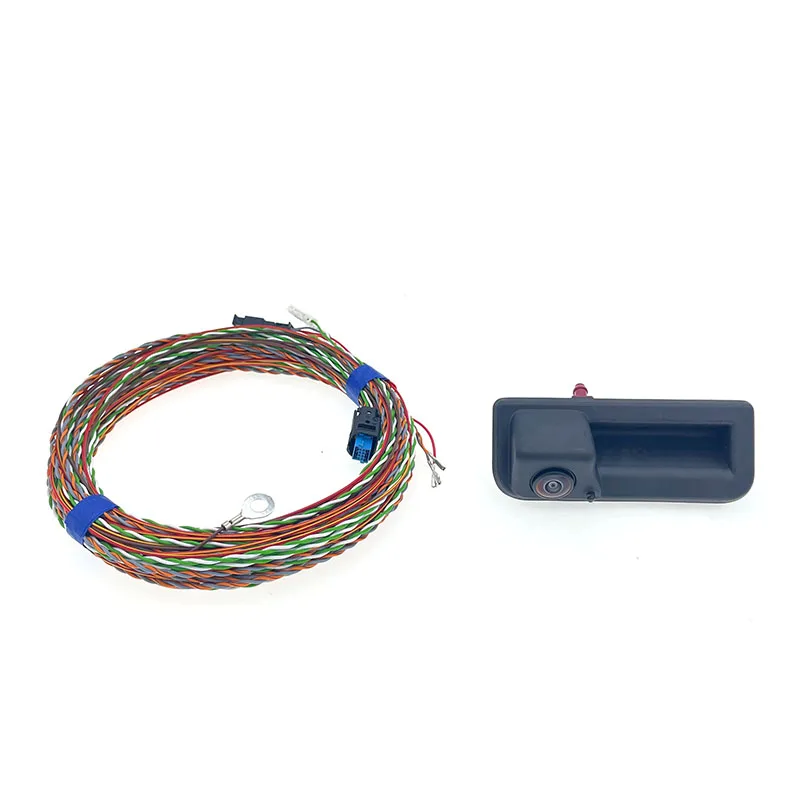
Upgrading to a High Line rear view camera system transforms parking safety and convenience in the Škoda Octavia MK4. These aftermarket camera kits replicate OEM specifications with dynamic guidance lines, complete wiring harnesses, and direct fitment for the fourth-generation Octavia platform produced from the model refresh forward.
Understanding Octavia MK4 Camera Compatibility
The Škoda Octavia MK4 High Line rear view camera requires precise model year matching due to electrical architecture changes throughout the generation. Systems designed for early production models differ from later variants in connector pinouts and MIB infotainment integration protocols. The part number 5E3827566 references the factory trunk handle mounting position used across the MK4 range, ensuring proper camera angle and weather sealing when correctly installed.
Camera systems ship with vehicle-specific wiring harnesses that route from the trunk lid through the body channel to the infotainment head unit. MK4 models use either MIB2 or MIB3 systems depending on production date, affecting compatibility with aftermarket camera modules. Verify your infotainment version before purchase, as MIB3 units require cameras with updated signal processing to display guidance overlays correctly.
Technical Specifications and Features
High Line camera systems utilize 170-degree wide-angle lenses with minimum 720p resolution for adequate detail when reversing. The camera module integrates directly into the trunk handle assembly, replacing the blanking plate found on lower trim levels. IP67 or IP68 weatherproofing ratings ensure reliable operation through temperature extremes and wet conditions typical in European climates.
Dynamic guidance lines overlay parking trajectories based on steering wheel angle input via CAN bus communication. This requires proper harness integration with the vehicle's body control module to receive steering position data. Static guideline systems display fixed distance markers without steering input integration, offering reduced functionality at lower price points.
Image Sensor Technology
Quality camera modules use Sony or OmniVision CMOS sensors with minimum 0.1 lux low-light sensitivity for adequate visibility during night reversing. Cheaper alternatives employ generic Chinese sensors with poor dynamic range, producing washed-out images in bright sunlight and inadequate detail in shadows. The sensor size directly impacts image quality—1/3-inch or 1/4-inch formats provide better light gathering than 1/5-inch compact sensors.
Installation Requirements and Process
Installing the MK4 High Line rear view camera with wiring harness requires removing the trunk liner panels to access the factory wiring passage points. The harness routes through existing grommets in the driver-side body channel, connecting to the MIB unit behind the dashboard. Professional installation typically requires 2-3 hours, though experienced DIY installers can complete the retrofit in an afternoon with proper tools.
The camera module mounts into the trunk handle assembly using spring clips or threaded fasteners depending on supplier design. Alignment is critical—the lens must sit level and centered to provide accurate guidance line projection. Minor angle deviations cause guideline misalignment with actual vehicle trajectory, reducing parking assistance accuracy.
Electrical Integration
Proper CAN bus integration enables advanced features like automatic camera activation when selecting reverse gear and guideline calibration through the infotainment menu. The wiring harness includes power supply connections, video signal transmission, and CAN communication lines. Low-quality harnesses may lack proper shielding, causing electromagnetic interference that manifests as static lines or image distortion on the display.
Some systems require coding activation through VCDS or OBDeleven diagnostic tools to enable camera input recognition in the infotainment unit. This coding process modifies the vehicle's long coding string to activate the rear view camera channel and enable guidance line display functionality.
OEM Versus Aftermarket Considerations
Recommended Products
Hand-picked accessories related to this article
Sale2021-2024 FOR OCTAVIA MK4 High Line Rear View Camera with Guidance Line + wiring harness
Sale2021-2024 FOR OCTAVIA MK4 High Line Rear View Camera with Guidance Line + wiring harness
 Sale
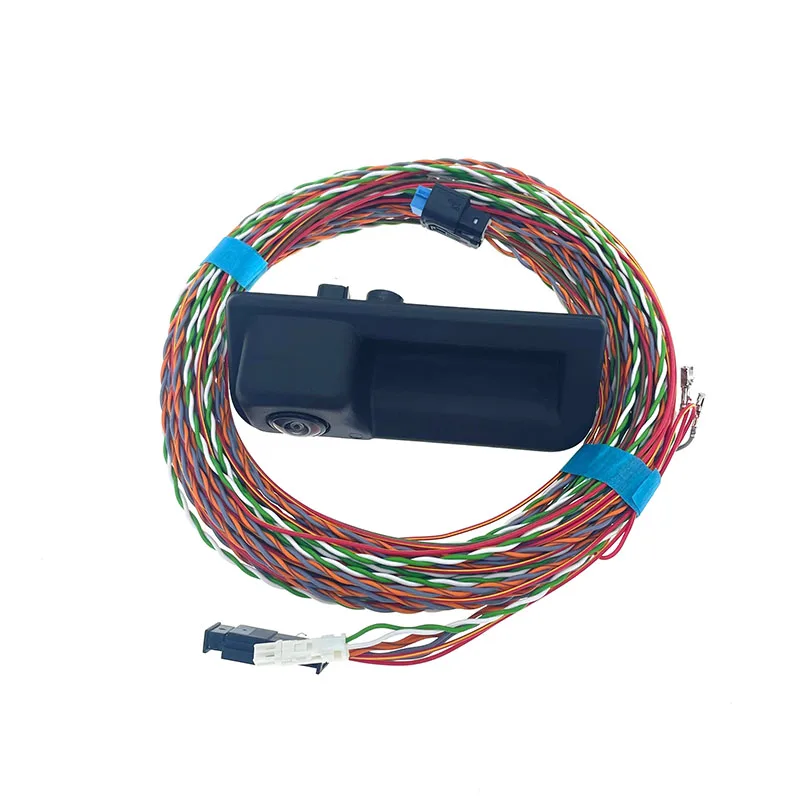
Sale2021-2022 FOR OCTAVIA MK4 High Line Rear View Camera with Guidance Line + wiring harness 5E3827566
Genuine Škoda High Line camera systems command premium pricing but guarantee perfect fitment and full feature compatibility with all MIB versions. Aftermarket alternatives replicate OEM specifications at significantly reduced cost, though quality varies substantially between suppliers. The best aftermarket units use identical connector designs and achieve comparable image quality to factory equipment.
Build quality indicators include metal housings versus plastic construction, gold-plated connector pins preventing corrosion, and UV-resistant lens coatings maintaining clarity over time. The wiring harness should feature flexible, multi-strand conductors with secure terminal crimps rather than thin, solid-core wire prone to work hardening and breakage.
Common Issues and Solutions
Guideline misalignment occurs when camera mounting angle deviates from specification or when steering angle sensor calibration drifts. Recalibration through the infotainment menu typically resolves trajectory errors. Image flickering or distortion indicates poor harness shielding or loose connector contacts—verify all connections are fully seated and inspect for corrosion on exposed pins.
Water ingress through compromised seals causes intermittent operation or complete camera failure. The trunk handle mounting location experiences direct water exposure during washing and rain, making proper seal installation critical. Apply dielectric grease to connector pins and ensure all rubber gaskets seat completely during installation.
Key Takeaways
- Verify MIB infotainment version compatibility before purchasing camera systems for proper guidance line functionality
- Quality camera modules use Sony or OmniVision sensors with IP67+ weatherproofing and 170-degree viewing angles
- Complete wiring harnesses should include CAN bus integration for dynamic guidance lines and automatic activation
- Professional coding through VCDS or OBDeleven may be required to activate camera input in the infotainment system
- Proper camera alignment and secure seal installation prevent common issues like misaligned guidelines and water damage
Frequently Asked Questions
Will these cameras work with all Octavia MK4 trim levels?
High Line cameras are compatible with all MK4 trim levels that have MIB2 or MIB3 infotainment systems. Base models without touchscreen displays require head unit upgrades before camera installation. The trunk handle mounting position is standardized across all trim variants, ensuring physical fitment regardless of equipment level.
Do I need special tools for camera coding and activation?
Coding typically requires VCDS diagnostic software with a compatible interface cable or an OBDeleven Bluetooth adapter. Some plug-and-play systems activate automatically without coding when connected to vehicles with existing camera provisions. Check whether your specific model has factory camera wiring already present, which simplifies installation considerably.
How do dynamic guidance lines differ from static lines?
Dynamic guidance lines adjust trajectory projection based on steering wheel position received through CAN bus communication, showing your actual turning path. Static lines display fixed distance markers that don't adjust with steering input. Dynamic systems require proper CAN integration and steering angle sensor calibration for accurate operation.
What causes poor image quality in aftermarket cameras?
Low-quality sensors, inadequate weatherproofing causing moisture infiltration, and poorly shielded wiring harnesses creating electromagnetic interference are primary causes. Cheap lens elements without anti-reflective coatings produce washed-out images in direct sunlight. Select cameras specifying Sony or OmniVision sensors and IP67+ ratings for reliable performance matching OEM quality standards.
This article was produced through comprehensive AI-powered research and editorial tools. While we strive for accuracy, all vehicle modifications, product purchases, and installation decisions are undertaken entirely at your own risk and responsibility. We recommend consulting a qualified automotive professional before making any changes to your vehicle.