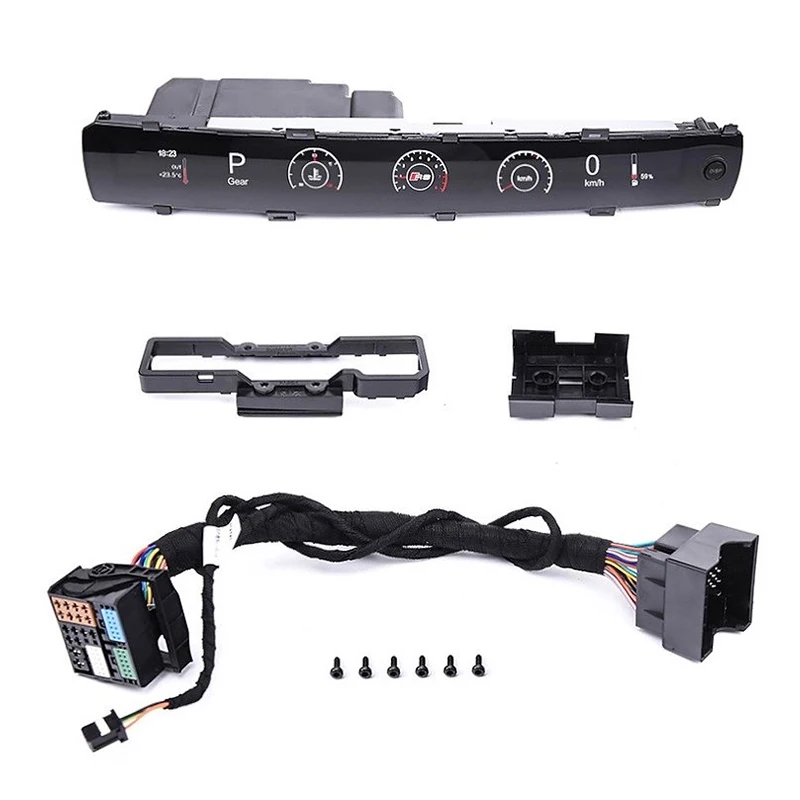
The best passenger-side co-pilot display screens for Audi vehicles include the Realsun Passenger Side Dashboard LCD Instrument at EUR 817.03 and the Virtual cockpit for Audi 2016-2019 A4 at EUR 742.91. Both options transform your Audi interior with full-featured digital instrumentation for the front passenger seat.
Why Add a Passenger-Side Display to Your Audi
Passenger-side co-pilot displays represent the latest evolution in automotive interior technology. These secondary screens mirror the functionality of your driver-side virtual cockpit, giving your front passenger access to navigation, media information, and vehicle data. The concept originated in high-end luxury vehicles and has become increasingly popular among Audi owners seeking to maximize their interior technology experience.
Installing a co-pilot display creates a symmetric, balanced dashboard appearance that matches the modern aesthetic of contemporary Audi models. The passenger gains access to real-time vehicle information without constantly leaning over to view the driver's display. This upgrade particularly benefits vehicles equipped with the virtual cockpit system, as it extends that premium digital experience across the entire dashboard.
These displays integrate directly with your existing Audi systems through the vehicle's communication network. They receive data from the same sources as your primary instrument cluster, ensuring accuracy and consistency. Installation typically requires accessing the dashboard wiring harness and mounting the display in the passenger-side location designed for optional equipment.
Featured Passenger-Side Display Options
Realsun Passenger Side Dashboard LCD Instrument
The Realsun Passenger Side Dashboard LCD Instrument provides comprehensive compatibility across multiple Audi model lines. This display works with A4, S4, A5, S5, Q5, SQ5 in both B9 and B9.5 generations, plus Q7 and SQ7 models with the 4M platform designation. The EUR 817.03 price point reflects the sophisticated technology and broad vehicle compatibility built into this unit.
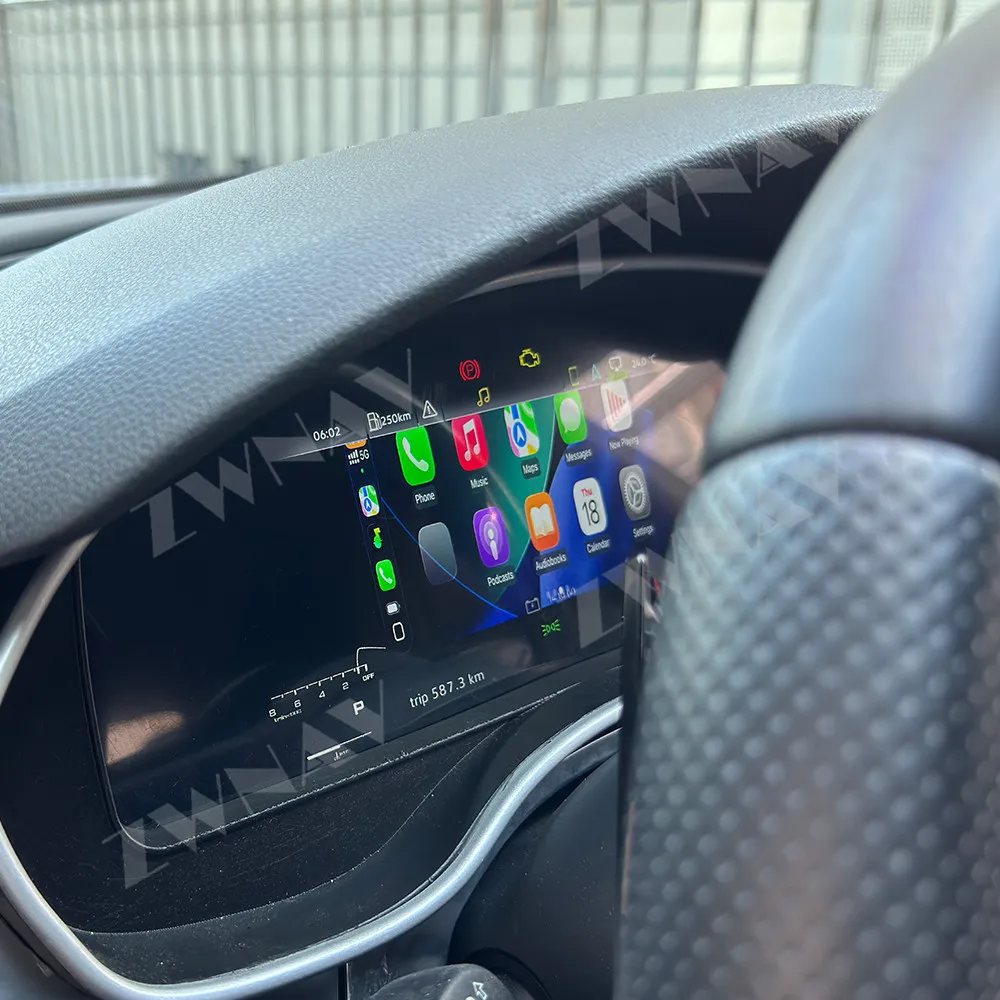
This display replicates the full virtual cockpit functionality that Audi drivers enjoy on their primary instrument cluster. The passenger gains access to navigation maps, audio information, phone connectivity details, and vehicle performance data. The LCD screen matches the resolution and color accuracy of factory Audi displays, ensuring a cohesive visual experience across the dashboard.
Installation requires connecting to your vehicle's existing communication bus, which carries data from sensors and control modules throughout the car. The display mounts in the passenger-side dashboard location, utilizing factory mounting points where Audi engineers designed for optional equipment. The unit draws power from the vehicle's electrical system and activates automatically when you start the engine.
The screen offers customizable display modes that mirror what's available on the driver's side. Passengers can view classic gauge layouts, full-screen navigation maps, or media-focused displays showing album artwork and playlist information. The interface updates in real-time as driving conditions change, providing passengers with engaging information throughout the journey.
Virtual cockpit for Audi 2016-2019 A4
The Virtual cockpit for Audi 2016-2019 A4 serves owners of specific model years including A4 B9, Q5, and A5 vehicles. Priced at EUR 742.91, this option provides excellent value for owners of these particular platforms. The part number 8W5 920 790 E confirms compatibility with Audi's engineering specifications for these model years.
This display integrates seamlessly with vehicles from the 2016-2019 production period, matching the technology standards Audi implemented during that generation. The screen provides passengers with clear visibility of navigation routes, making it easier to assist with directions during unfamiliar drives. The display can show turn-by-turn instructions simultaneously with the driver's view, reducing confusion about upcoming maneuvers.
The unit connects to your vehicle's MMI (Multi Media Interface) system, ensuring synchronized information between driver and passenger displays. When you change audio sources or navigation destinations through the center console controls, both displays update simultaneously. This integration creates a unified experience where both occupants have equal access to vehicle information.
Temperature, fuel level, and range information appear on the passenger display, allowing your co-pilot to monitor vehicle status without interrupting your focus on the road. The screen brightness adjusts automatically based on ambient light conditions, preventing glare during daylight driving and reducing eye strain during nighttime travel. This automatic adjustment matches the behavior of all factory Audi displays.
Compatibility Considerations for Your Audi Model
Understanding your specific Audi model platform is essential before purchasing a passenger-side display. Audi designates each model generation with specific platform codes like B9 for certain A4 and A5 models, or 4M for particular Q7 variants. These codes determine which electronic components and software versions your vehicle uses.
The B9 platform launched for A4 models in 2016 and continued through subsequent model years with refinements designated as B9.5. Vehicles built on these platforms share common electrical architectures that support virtual cockpit technology. The Q5 also transitioned to this architecture, enabling similar display capabilities across the model line.
Checking your vehicle identification plate or consulting your owner's manual reveals the exact platform code for your Audi. This information ensures you select a compatible display that communicates properly with your vehicle's existing systems. Incompatible displays may fail to power on or display incorrect information due to communication protocol mismatches.
Some Audi vehicles require coding or programming after installing new electronic components. This process tells the vehicle's central computer that a new display has been added and should receive data from the communication network. Authorized Audi service centers or independent shops with proper diagnostic tools can perform this coding procedure.
Installation Requirements and Process
Installing a passenger-side display requires removing the dashboard trim panels to access the mounting location and wiring connections. Audi designs these panels with clips and fasteners that release with proper tools and technique. Rushing the disassembly process can break clips, so patience and careful work ensure clean results.
The wiring harness for the new display typically connects to existing ports behind the dashboard. Audi often pre-wires vehicles for optional equipment even when not originally ordered, simplifying aftermarket upgrades. Checking for existing connectors before purchasing helps determine if your specific vehicle has the necessary wiring provisions.
Mounting the display requires aligning it precisely in the dashboard opening and securing it with factory-style fasteners. The display must sit flush with surrounding trim panels to maintain the factory appearance. Gaps or misalignment create visual inconsistency and may allow the display to vibrate or rattle during driving.
After physical installation, the vehicle may require coding through the OBD-II diagnostic port to activate the new display. This coding process involves connecting specialized diagnostic equipment and running specific adaptation routines. The procedure tells various control modules throughout the vehicle that a passenger display is now present and should receive information.
Features and Functionality Breakdown
Recommended Products
Hand-picked accessories related to this article
Passenger-side displays typically show navigation information as their primary function. Full-color maps display your current route with turn-by-turn guidance, making it easier for passengers to anticipate upcoming directions. The screen can show broader map context than what appears on the driver's display, helping identify landmarks and points of interest along your route.
Audio information appears clearly on the passenger display, showing artist names, song titles, and album artwork from connected devices or streaming services. The passenger can see what's playing and what's queued next without interrupting the driver. Radio stations display with frequency information and RDS data showing station names and current program details.
Vehicle performance data becomes accessible to the passenger through these displays. Speed, engine RPM, fuel consumption rates, and remaining range all appear in easily readable formats. Passengers interested in the driving experience can monitor these metrics without distracting the driver by asking questions.
Climate control settings may appear on passenger displays in some configurations, showing temperature targets and airflow distribution. This information helps passengers understand the current climate settings without reaching for center console controls. Some displays also show tire pressure monitoring information and other vehicle health data.
Top Picks at a Glance
- Best Overall Value: Virtual cockpit for Audi 2016-2019 A4 at EUR 742.91 offers excellent pricing for specific model years
- Widest Compatibility: Realsun Passenger Side Dashboard LCD Instrument supports A4, S4, A5, S5, Q5, SQ5, Q7, and SQ7 models
- Price Range: Options span from EUR 742.91 to EUR 817.03, providing choices for different budgets
- Installation: Both options require dashboard disassembly and potential vehicle coding for activation
- Functionality: Full virtual cockpit features including navigation, media, and vehicle data displays
Making the Right Choice for Your Audi
Selecting between available passenger-side displays depends primarily on your specific Audi model and production year. The Virtual cockpit for Audi 2016-2019 A4 provides an economical solution if your vehicle falls within its compatibility range. The EUR 75 savings compared to the Realsun option makes this an attractive choice for eligible vehicles.
Owners of Q7 or SQ7 models have only one option between these two displays. The Realsun Passenger Side Dashboard LCD Instrument explicitly includes Q7 and SQ7 compatibility with 4M platform designation. This broader compatibility justifies the slightly higher EUR 817.03 price point for owners of these larger SUV models.
Consider your installation capabilities when choosing a display. Both options require similar installation procedures, but access to proper coding equipment varies. Some owners prefer professional installation to ensure correct coding and activation, while experienced DIY enthusiasts may tackle the project independently with appropriate tools and research.
Budget considerations extend beyond the display purchase price. Factor in potential installation costs if hiring a professional, and account for any coding fees that may apply. Some Audi specialists charge flat rates for coding procedures, while others bill hourly for diagnostic work.
Enhancing Your Audi Interior Experience
Adding a passenger-side display transforms your Audi interior into a more technologically advanced space. The symmetric appearance created by matching displays on both sides of the dashboard reflects the design language of flagship luxury vehicles. This visual balance enhances the perceived quality and modernity of your interior environment.
Passengers benefit from having dedicated access to information without competing for the driver's attention. Long road trips become more engaging when passengers can actively follow navigation progress and monitor interesting vehicle data. The display serves as both functional tool and entertainment element for front-seat occupants.
The upgrade particularly appeals to Audi enthusiasts who appreciate cutting-edge technology and want their vehicles to incorporate the latest features. Even if your Audi didn't originally include this option, aftermarket availability allows you to add functionality that rivals newer model years. This approach extends the technological relevance of your vehicle.
Resale value considerations come into play with significant interior upgrades. A properly installed passenger display with factory-quality appearance may appeal to future buyers seeking well-equipped used vehicles. The upgrade demonstrates owner investment in maintaining a premium interior experience throughout the vehicle's life.
Frequently Asked Questions
Will a passenger-side display work with all Audi models?
Passenger-side displays work only with specific Audi models and platform generations. The Realsun option supports A4, S4, A5, S5, Q5, SQ5, Q7, and SQ7 models with B9, B9.5, or 4M platform designations. The alternate option specifically covers 2016-2019 A4 B9, Q5, and A5 vehicles. Always verify your exact model year and platform code before purchasing to ensure compatibility.
Can I install a passenger-side display myself?
Installation is possible for mechanically inclined owners with proper tools and patience. The process requires removing dashboard trim panels, connecting wiring harnesses, and mounting the display securely. However, most installations also require coding through diagnostic equipment to activate the display properly. Without access to professional-grade diagnostic tools, you may need a specialist to complete the coding portion even if you handle the physical installation.
Does adding a passenger display affect my vehicle warranty?
Aftermarket modifications can impact warranty coverage depending on your specific situation and local regulations. Installing non-factory components may void warranty protection for related systems if problems arise. Many owners wait until their factory warranty expires before adding such modifications. Consulting your Audi dealer or reviewing your warranty documentation provides specific guidance for your circumstances.
What information appears on the passenger-side display?
Passenger displays typically mirror the virtual cockpit functionality available to the driver. Navigation maps with turn-by-turn directions, audio information including artist and track details, vehicle speed and performance data, and range information all appear on the screen. The passenger can often customize the display layout to emphasize preferred information types, just like the driver can configure their primary instrument cluster.
How much does professional installation typically cost?
Professional installation costs vary significantly based on location and shop rates. The physical installation typically requires 2-4 hours of labor depending on the specific vehicle and installer experience. Coding procedures may add 30-60 minutes of diagnostic time. Shops charging EUR 100-150 per hour would result in total installation costs between EUR 250-600 plus the display purchase price. Obtaining quotes from multiple specialists helps identify competitive pricing in your area.
This article was produced through comprehensive AI-powered research and editorial tools. While we strive for accuracy, all vehicle modifications, product purchases, and installation decisions are undertaken entirely at your own risk and responsibility. We recommend consulting a qualified automotive professional before making any changes to your vehicle.