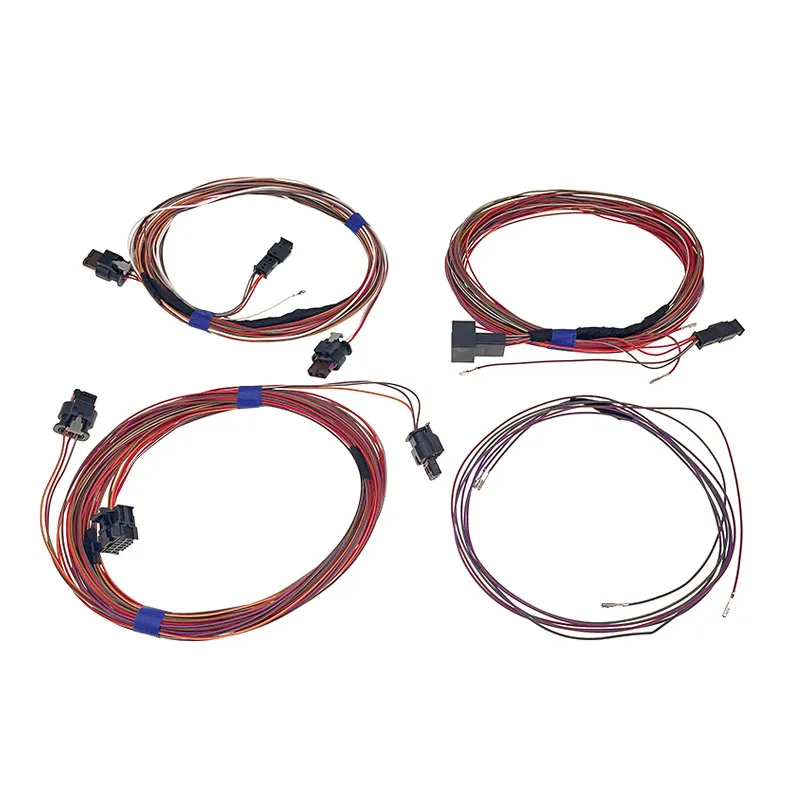
The Auto Parking Play&Plug Upgrade Kit 8K to 12K Install Harness Wire for MQB Golf 7 Passat B8 Tiguan A3 8V Kodiaq Octavia SUPERB addresses a specific technical challenge: upgrading from basic rear-only parking sensors (8-sensor configuration) to a comprehensive front and rear system (12-sensor configuration) on Volkswagen Group's modular MQB platform vehicles.
Understanding MQB Parking Sensor Configurations
MQB platform vehicles typically ship with three parking sensor configurations: rear-only systems using 4 sensors, front and rear systems using 8 sensors, or advanced 12-sensor systems that provide more precise coverage. The 8K designation refers to 8-sensor base configurations, while 12K indicates the full 12-sensor setup with enhanced detection zones at corners and edges where blind spots are most problematic.
Factory parking systems use dedicated wiring harnesses with specific connector types and pin configurations. Retrofitting additional sensors normally requires running new cables through door seals, A-pillars, and chassis channels—a labor-intensive process taking 6-8 hours. The Play&Plug harness eliminates this complexity by providing pre-terminated connectors that interface directly with existing control modules.
Platform Compatibility and VIN Verification
The MQB platform underpins numerous Volkswagen Group vehicles manufactured from approximately 2012 onwards, including Golf 7 (not Golf 6 or earlier), Passat B8 (not B7), second-generation Tiguan, Audi A3 8V, Skoda Kodiaq NS7, Octavia third generation, and Superb third generation. Platform designation is critical—visually similar vehicles on different architectures will not accept this harness.
VIN verification matters because MQB vehicles underwent multiple control module revisions. Early production models through 2022 use different communication protocols than vehicles manufactured from 2023 onward. The control unit must support 12-sensor operation in its firmware, which typically requires specific option codes like 7X2 (Park Pilot) or 7Y2 (Park Assist with maneuver braking). Check your vehicle's PR codes before purchasing any upgrade harness.
Technical Specifications and Wiring Details
Genuine VAG parking sensor harnesses use 18-gauge copper wire with cross-linked polyethylene insulation rated for -40°C to +125°C temperature ranges. Quality aftermarket harnesses should match these specifications to ensure reliable signal transmission. The sensors themselves operate on a 12V DC system, transmitting ultrasonic pulses at 40kHz frequency. Wire length between sensors and control module affects signal integrity—excessive length introduces resistance that can cause false readings or reduced detection range.
Connector types include Superseal and MQS (Multi-Quick-Seal) variants with gold-plated terminals for corrosion resistance. Inferior harnesses use tin-plated terminals that oxidize in humid environments, creating intermittent connections that trigger fault codes. Verify that any upgrade kit includes proper strain relief boots and protective conduit for sections exposed to wheel well debris.
Installation Considerations
While marketed as plug-and-play, successful installation requires more than physical connection. The vehicle's gateway control module must be coded to recognize the expanded sensor array. This requires VCDS, OBDeleven, or dealer-level diagnostic tools capable of writing adaptation channels. Specific coding typically involves changing byte values in control module 10 (Park Assist) to enable front sensor monitoring and adjust sensitivity thresholds.
Physical sensor installation requires precise spacing to avoid detection gaps. Factory specifications call for sensors mounted 50-60cm from ground level, with lateral spacing of 30-40cm depending on bumper curvature. Use a template or measure carefully—misaligned sensors create blind zones or trigger constant warnings. Paint-matched sensors are preferable to generic black units on non-black vehicles, as factory color integration maintains resale value.
Common Pitfalls and Quality Indicators
Budget harnesses often use undersized wire gauge (20 or 22 AWG instead of 18 AWG), which increases voltage drop over the harness length. This manifests as sensors working inconsistently or displaying reduced range compared to factory systems. Check product specifications for exact wire gauge—if not listed, the manufacturer likely cut corners. Proper harnesses include individual twisted pairs for each sensor to minimize electromagnetic interference from nearby systems.
Connector quality determines long-term reliability. Factory connectors use secondary locking mechanisms that prevent vibration-induced disconnection. Aftermarket units without these locks may work initially but develop intermittent faults as vibration loosens terminals. Examine product photos closely for visible locking tabs and reinforced connector housings.
Recommended Products
Hand-picked accessories related to this article
SaleAuto Parking Play&Plug Upgrade Kit 8K to 12K Install Harness Wire for MQB Golf 7 Passat B8 Tiguan A3 8V Kodiaq Octavia SUPERB
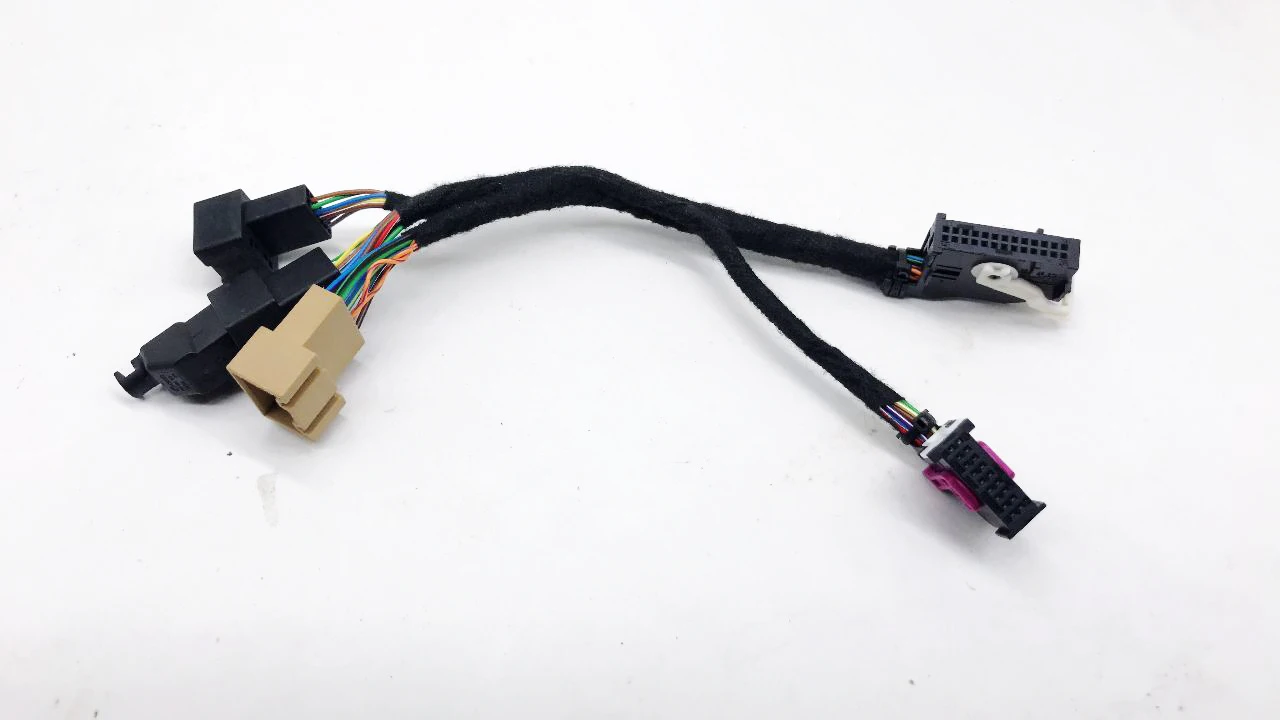
CAR INSTALL MQB Parking OPS System adapter Wire cable Harness upgrade PDC module to 1K8 / RNS to MIB For V W Golf
OEM vs Aftermarket Considerations
Genuine VAG retrofit kits include comprehensive installation instructions, vehicle-specific coding data, and warranty coverage through authorized dealers. Aftermarket options like the upgrade harness offer significant cost savings—genuine parts typically cost 3-4 times more—but require more technical knowledge for successful installation. The functional result is often identical if the aftermarket harness meets manufacturing specifications.
Warranty implications vary by region. European markets generally permit aftermarket electronic installations without voiding factory warranty, provided they don't cause damage. North American dealers may be more restrictive. Document the installation process and retain all packaging showing compliance with automotive wiring standards in case warranty questions arise.
Alternative Upgrade Paths
Beyond basic sensor expansion, some MQB vehicles support additional parking assist features including trailer assist, curb view cameras, and automated parking functions. These require different harness configurations and additional control modules. Wireless systems that transmit sensor data via Bluetooth exist but introduce latency issues unsuitable for real-time proximity detection. Stick with wired solutions for parking sensor applications.
Key Takeaways
- Verify exact MQB platform compatibility and model year before purchasing—not all visually similar vehicles share the same architecture
- Check VIN option codes to confirm control module supports 12-sensor operation
- Quality harnesses use 18-gauge wire with proper connector types including locking mechanisms
- Installation requires both physical wiring and control module coding via diagnostic software
- Precise sensor positioning (50-60cm height, 30-40cm spacing) prevents detection gaps
Frequently Asked Questions
Can I install this harness without diagnostic coding tools?
No. While the harness physically connects, the gateway control module requires coding to recognize additional sensors. Without proper adaptation channel modifications, the system won't function. Budget OBD tools like OBDeleven provide necessary coding access at lower cost than dealer software.
Will this harness work on pre-facelift and facelift MQB models?
Most MQB vehicles use consistent parking sensor protocols across facelift cycles, but control module part numbers changed. Verify your specific control unit part number supports 12-sensor operation. Models manufactured before 2015 may have older modules requiring replacement rather than just coding.
What wire gauge should I look for in quality harnesses?
Factory specifications call for 18 AWG (0.75mm²) copper wire. Harnesses using 20 AWG or thinner introduce excessive voltage drop over typical cable runs of 3-5 meters, causing reduced sensor range or intermittent operation. Always verify wire gauge before purchase.
Do I need paint-matched sensors or will generic units work?
Functionally, any correctly specified ultrasonic sensor works. However, mismatched colors are visually obvious and may reduce resale value. Factory paint-matched sensors cost more but maintain the OEM appearance that buyers expect. Generic black sensors are acceptable only on black vehicles.
This article was produced through comprehensive AI-powered research and editorial tools. While we strive for accuracy, all vehicle modifications, product purchases, and installation decisions are undertaken entirely at your own risk and responsibility. We recommend consulting a qualified automotive professional before making any changes to your vehicle.