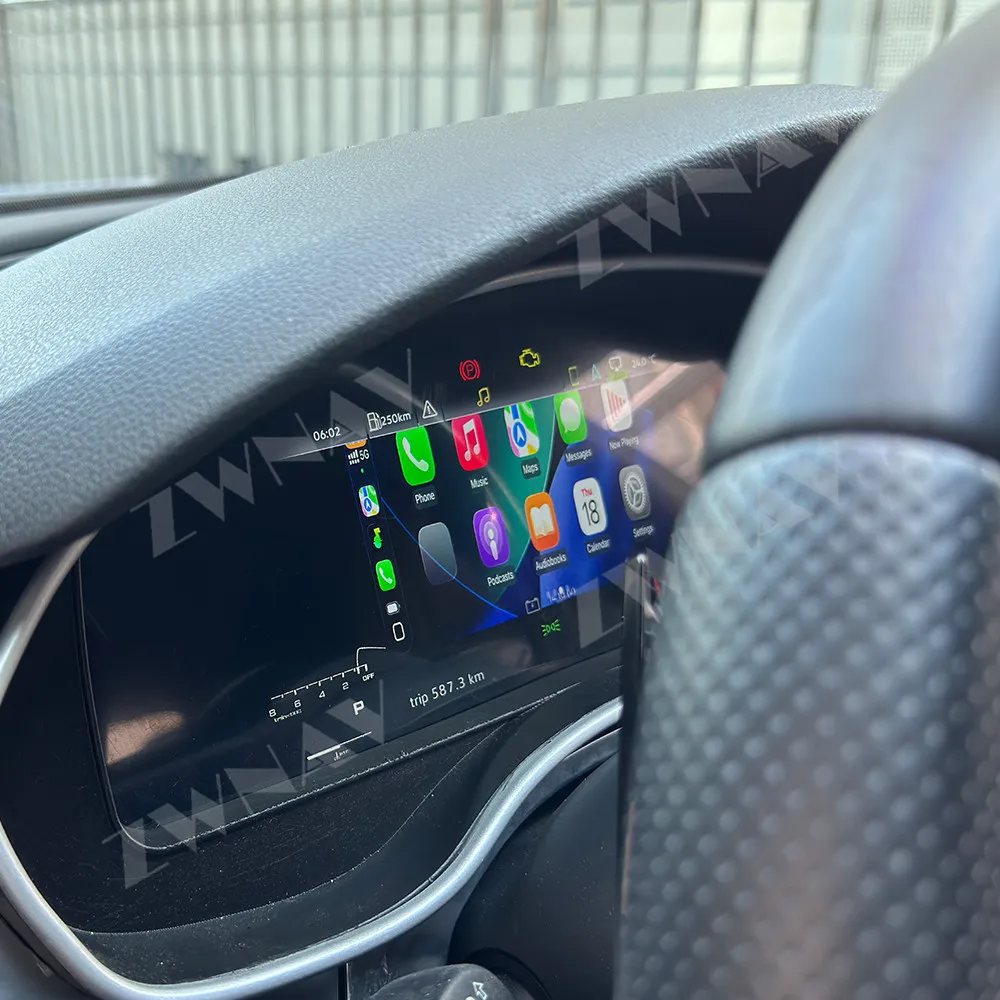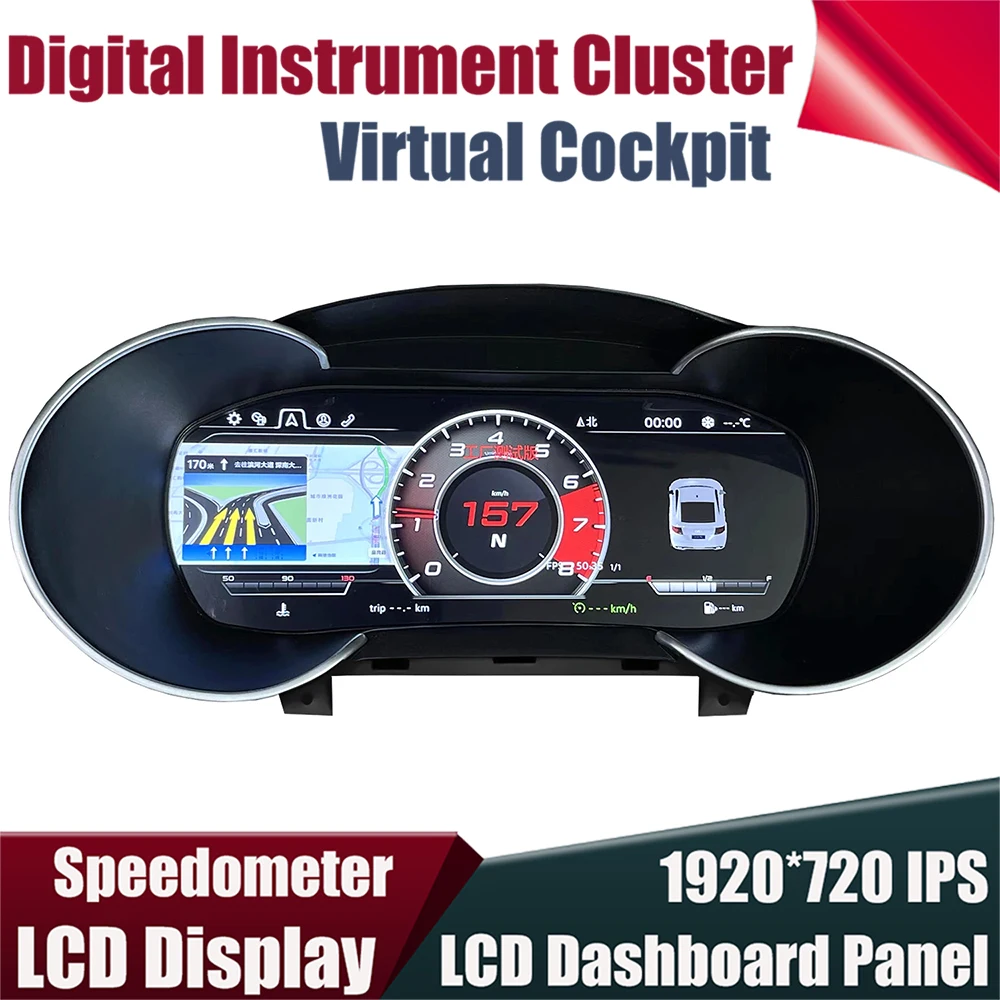
The best budget-friendly digital gauge cluster replacements for Audi vehicles include the Digital Dashboard Speedometer For Audi TT at EUR 414.84 and the Digital Dashboard Gauge Speedometer For Audi at EUR 414.51. Both units offer LCD virtual cockpit technology with compatibility across multiple Audi models including the TT, A3, A4 B8, A5, A6, A7, Q3, and Q5.
Why Upgrade to a Digital Gauge Cluster
Digital gauge clusters transform the driving experience by replacing analog dials with high-resolution LCD displays. These virtual cockpit systems provide more information at a glance, including customizable layouts, digital speedometers, tachometers, navigation maps, and driver assistance data. Audi introduced virtual cockpit technology in premium models, but aftermarket solutions now bring this functionality to earlier vehicles at accessible price points.
Traditional analog clusters limit information display capacity and lack the flexibility modern drivers expect. Digital replacements offer multiple display modes, allowing drivers to prioritize navigation, performance metrics, or minimalist designs. The transition from physical gauges to digital screens represents a significant interior upgrade that enhances both aesthetics and functionality without requiring complete dashboard reconstruction.
Installation typically involves replacing the existing instrument cluster unit behind the steering wheel. Most digital replacements connect to the vehicle's existing wiring harness through plug-and-play connectors. This approach preserves all factory functions including odometer readings, warning lights, and onboard computer data while adding advanced display capabilities previously unavailable in older Audi models.
Understanding Compatibility Across Audi Models
The digital gauge clusters featured in this roundup support an extensive range of Audi vehicles manufactured during the B8 platform era and beyond. Compatible models include the TT and TTS sports cars, the compact A3 and Q3, the mid-size A4, A5, A6, A7, and Q5, plus performance variants like the RS4 and RS5. This broad compatibility stems from Audi's shared architecture approach during this production period.
Before purchasing any digital cluster replacement, verify your specific vehicle's compatibility requirements. Check the production year, existing cluster type, and whether your vehicle uses the standard or premium instrument panel. Some models may require additional coding or adaptation through diagnostic software to enable full functionality. The instrument cluster's part number provides the most reliable compatibility reference.
Vehicles equipped with manual transmissions versus automatic transmissions may display information differently. The digital clusters automatically detect transmission type through the vehicle's communication network. Similarly, engine-specific data like turbo boost pressure, oil temperature, and performance metrics appear only when the vehicle's systems provide this information through the CAN bus network.
Featured Product Reviews
Digital Dashboard Speedometer For Audi TT
The Digital Dashboard Speedometer For Audi TT retails for EUR 414.84, reduced from EUR 434.59, representing a EUR 19.75 savings. This virtual cockpit replacement features a high-resolution LCD display that replicates the premium digital dashboard found in newer Audi models. The unit supports TT, TTS, A3, A4 B8, A5, A6, A7, Q3, Q5, and RS variants with comprehensive gauge functionality.
The display presents speed, RPM, fuel level, coolant temperature, and trip computer data in crisp digital format. Multiple viewing modes allow drivers to emphasize different information sets depending on driving conditions. Sport mode enlarges the tachometer for performance driving, while comfort mode prioritizes navigation and efficiency data. The transition between modes occurs through steering wheel controls.
Installation requires removing the existing instrument cluster and connecting the digital unit to the factory wiring harness. The plug-and-play design eliminates cutting or splicing wires. Odometer data transfers automatically, maintaining accurate mileage records. Warning lights, indicator symbols, and diagnostic messages display with factory-standard icons and colors. The backlight brightness adjusts automatically based on ambient light conditions.
Build quality matches original equipment manufacturer standards with a rigid plastic housing and scratch-resistant display surface. The LCD panel delivers excellent viewing angles, remaining readable in direct sunlight and at night without excessive glare. Color saturation and contrast ratios ensure clear visibility of all displayed information. The unit operates within the same temperature range as factory clusters, functioning reliably in extreme heat and cold.
Digital Dashboard Gauge Speedometer For Audi
The Digital Dashboard Gauge Speedometer For Audi costs EUR 414.51, down from EUR 434.25, saving buyers EUR 19.74. This virtual cockpit instrument cluster provides comprehensive compatibility with TT, TTS, A3, A4 B8, A5, A6, A7, Q3, Q5, RS4, and RS5 models. The LCD display technology delivers sharp, detailed graphics that modernize the interior appearance significantly.
This digital cluster offers customizable display layouts that let drivers configure their preferred information hierarchy. The main gauge area can show a traditional speedometer and tachometer arrangement or switch to full-screen navigation maps when using the vehicle's GPS system. Additional data fields display fuel economy, range, outside temperature, audio information, and driver assistance system status.
The unit integrates seamlessly with existing vehicle systems including adaptive cruise control, lane departure warning, and parking sensors when equipped. Visual representations of these systems appear on the display, showing lane markings, detected vehicles, and parking obstacles. This integration maintains factory functionality while presenting data through an enhanced visual interface.
Performance enthusiasts appreciate the sport display mode that emphasizes engine speed, turbo boost pressure, and G-force indicators. The digital tachometer includes a shift light function that illuminates when optimal shift points arrive during spirited driving. Lap timer functionality appears in some display modes, useful for track day participants. Oil temperature and pressure gauges provide critical engine health monitoring.
The display refresh rate ensures smooth animations and responsive updates as driving conditions change. Needle sweep animations mimic analog gauge behavior during startup, providing a familiar visual experience. All text appears in multiple languages with settings accessible through the vehicle's existing control interfaces. The cluster stores user preferences, maintaining custom configurations after the vehicle powers down.
Installation Considerations and Requirements
Installing a digital gauge cluster requires moderate mechanical skill and basic hand tools. The process begins with disconnecting the vehicle's battery to prevent electrical system damage. Remove the steering column covers and instrument cluster trim pieces to access the factory gauge mounting screws. Four screws typically secure the cluster, which slides forward after release.
Disconnect the wiring harness from the back of the factory cluster by pressing the release tab and pulling straight back. Note the connector orientation before removal. Connect the new digital cluster to the harness, ensuring a firm, complete connection. The plug-and-play design means connectors should mate without force. Misaligned pins indicate incorrect orientation.
Some vehicles require coding or adaptation using diagnostic software after installation. This process tells the vehicle's control modules about the new cluster, enabling full functionality. Independent Audi specialists and mobile diagnostic technicians provide this service affordably. The coding procedure takes 15-30 minutes and ensures proper communication between the cluster and other vehicle systems.
After installation, verify all functions operate correctly including speedometer accuracy, warning lights, turn signal indicators, and high beam indicators. Test the trip computer functions, fuel gauge accuracy, and coolant temperature readings. Confirm that the odometer displays the correct mileage matching vehicle records. Any discrepancies indicate incomplete adaptation or wiring issues requiring attention.
Key Features to Expect
Both digital gauge clusters deliver high-resolution LCD displays with pixel densities that eliminate visible pixelation from the driver's seat. Screen sizes match factory specifications, fitting perfectly within existing dashboard openings without gaps or alignment issues. The displays support millions of colors, enabling realistic graphics and smooth color gradients for gauges and maps.
Multiple display modes cater to different driving scenarios and personal preferences. Classic mode replicates traditional analog gauges with digital precision. Navigation mode dedicates the majority of screen space to map displays with essential speed and warning information at the edges. Sport mode enlarges performance-relevant data while minimizing secondary information. Switching between modes typically uses steering wheel buttons or stalk controls.
Automatic brightness adjustment relies on ambient light sensors that measure cabin lighting conditions. The display dims automatically at night, reducing eye strain during evening driving. During daytime, brightness increases to maintain visibility in direct sunlight. Manual override options let drivers set preferred brightness levels independently of automatic adjustments. Night mode changes color schemes to predominantly red and orange tones that preserve night vision.
Warning light functionality remains identical to factory clusters with standard symbols for ABS, airbag, tire pressure, engine malfunction, and other critical systems. Warning messages appear as text on the display with detailed information about detected faults. The cluster stores diagnostic trouble codes that technicians retrieve using standard OBD-II scan tools. This compatibility ensures service centers can diagnose issues without specialized equipment.
Comparing Digital Clusters to Factory Virtual Cockpit
Recommended Products
Hand-picked accessories related to this article
SaleDigital Dashboard Speedometer For Audi TT TTS A3 A4 B8 A5 A6 A7 Q3 Q5 RS LCD Tachometer Virtual Cockpit Instrument Gauge Cluster
 Sale
SaleDigital Dashboard Gauge Speedometer For Audi TT TTS A3 A4 B8 A5 A6 A7 Q3 Q5 RS4 RS5 LCD Virtual Cockpit Dash Instrument Cluster
Factory Audi Virtual Cockpit systems retail for EUR 1,500 to EUR 2,500 when purchased as replacement parts from dealerships. The aftermarket options featured here cost approximately 70-75% less while delivering similar core functionality. Both systems use LCD technology to display digital gauges, navigation information, and vehicle data in customizable layouts.
Factory systems include integration with Audi's MMI infotainment interface, allowing control through the central controller and touchpad. Aftermarket clusters rely on existing steering wheel controls and may not offer identical integration depth. Display resolution and graphics quality approach but may not perfectly match factory specifications. Color accuracy and animation smoothness remain excellent for the price point.
Software updates represent a key difference between factory and aftermarket systems. Factory Virtual Cockpit receives updates through Audi dealership service appointments, adding new features and improving performance. Aftermarket clusters typically ship with final software versions that do not receive updates. However, the initial software package includes all advertised features and functions reliably without requiring updates.
Warranty coverage differs significantly between sources. Factory Audi parts carry manufacturer warranties honored at any authorized dealership. Aftermarket digital clusters include seller warranties that vary by supplier, typically ranging from 6 to 24 months. Extended warranty options may exist through third-party providers. Proper installation following manufacturer guidelines ensures warranty validity.
Price Analysis and Value Proposition
The EUR 414 to EUR 415 price range for these digital gauge clusters represents exceptional value considering the technology included. Comparable factory Virtual Cockpit conversions exceed EUR 1,500 before installation labor costs. The savings approach EUR 1,000 per vehicle, making digital gauge upgrades accessible to enthusiasts operating on reasonable budgets.
Current pricing reflects discounts from original prices near EUR 435, representing approximately 4.5% savings. These promotions reduce the already competitive pricing further. When compared to other interior upgrades like premium audio systems or navigation retrofits, digital gauge clusters deliver dramatic visual impact for moderate investment.
Installation costs vary by region and service provider. Independent Audi specialists charge EUR 150 to EUR 300 for cluster replacement and coding. Dealerships command higher labor rates, potentially doubling installation expenses. Mechanically inclined owners with diagnostic software access can complete the installation independently, eliminating labor costs entirely. Total project costs including parts and professional installation range from EUR 565 to EUR 715.
Long-term value considerations include improved resale appeal and modernized aesthetics that reduce perceived vehicle age. Digital clusters make 10 to 15-year-old vehicles feel contemporary inside, an important factor for buyers considering older Audi models. The upgrade addresses one of the most visible aging aspects of pre-digital era vehicles without requiring expensive complete interior renovations.
Maintenance and Longevity Expectations
LCD displays in automotive applications typically deliver 50,000 to 100,000 hours of operation before noticeable brightness degradation. At an average of 500 hours per year of driving, digital gauge clusters provide 100 to 200 years of theoretical service life. Practical longevity depends more on electronic component reliability than display panel degradation.
No routine maintenance requirements exist for digital gauge clusters beyond general cleanliness. Avoid harsh chemical cleaners on the display surface, using only microfiber cloths with water or dedicated screen cleaning solutions. Ammonia-based glass cleaners may damage anti-reflective coatings. The sealed electronics require no lubrication, adjustment, or periodic service.
Temperature extremes represent the primary environmental stress factor for electronic gauge clusters. Park in shade during extreme heat when possible to reduce cabin temperatures and associated electronic stress. Cold weather generally poses fewer risks to LCD displays designed for automotive use. Extreme temperature cycling accelerates component aging but remains within design specifications for quality units.
If problems develop, diagnostic trouble codes guide troubleshooting efforts. Communication errors between the cluster and vehicle modules indicate wiring or coding issues rather than cluster failures. Display glitches like flickering or incorrect readings may resolve with power cycling or recoding. Complete cluster failures requiring replacement occur rarely with quality aftermarket units when properly installed.
Top Picks at a Glance
- Best Overall Value: Digital Dashboard Speedometer For Audi TT at EUR 414.84 offers comprehensive model compatibility and proven reliability
- Widest Compatibility: Digital Dashboard Gauge Speedometer For Audi at EUR 414.51 supports the most extensive vehicle range including RS4 and RS5 models
- Price Advantage: Both units cost approximately 70-75% less than factory Virtual Cockpit replacement parts
- Installation: Plug-and-play design enables DIY installation with moderate mechanical skill
- Display Quality: High-resolution LCD technology delivers clear, readable information in all lighting conditions
Making the Right Choice for Your Audi
Selecting between these digital gauge cluster options depends primarily on your specific Audi model and desired features. Both units deliver comparable functionality, display quality, and build standards. The minimal EUR 0.33 price difference makes cost a negligible factor in the decision process. Verify compatibility with your exact vehicle year and model before purchasing.
Consider your technical comfort level and access to diagnostic coding equipment. While installation itself presents straightforward procedures, post-installation coding may require professional assistance. Budget an additional EUR 100 to EUR 200 for coding services if lacking personal diagnostic tools. Some sellers include remote coding support, reducing or eliminating this expense.
Digital gauge clusters modernize Audi interiors dramatically while maintaining full factory functionality. The investment delivers daily visual enjoyment and improved information access compared to aging analog gauges. For enthusiasts seeking meaningful upgrades without extensive modification, virtual cockpit conversions represent one of the highest-impact improvements available.
The technology maturity of LCD gauge clusters means reliability concerns that plagued early aftermarket units no longer apply. Current generation digital clusters match or exceed factory component quality standards. Proper installation following manufacturer guidelines ensures trouble-free operation for the vehicle's remaining service life.
Frequently Asked Questions
Will installing a digital gauge cluster affect my vehicle warranty?
Installing aftermarket gauge clusters on newer vehicles under manufacturer warranty may affect warranty coverage for instrument panel related issues. Dealers cannot void entire vehicle warranties for aftermarket parts, but they can deny warranty claims directly related to modified components. Vehicles outside the original warranty period face no warranty concerns. Always consult warranty documentation before modifying newer vehicles.
Does odometer mileage transfer to the new digital cluster?
Odometer data transfers automatically when properly installing digital gauge clusters. The vehicle stores mileage information in multiple control modules, not exclusively in the instrument cluster. The new cluster reads existing mileage from the vehicle's network and displays accurate values. Some vehicles require coding to enable odometer display. Tampering with odometer readings violates laws in most jurisdictions.
Can I install a digital gauge cluster myself without professional help?
Mechanically inclined owners with basic hand tools can complete the physical installation independently. Removing the factory cluster and installing the replacement requires 1 to 2 hours. However, most vehicles need diagnostic coding after installation to enable full functionality. This coding requires VCDS diagnostic software or dealer-level scan tools. Budget for professional coding services unless you own appropriate diagnostic equipment.
Will all warning lights and indicator functions work properly?
Digital gauge clusters maintain all factory warning lights, indicators, and diagnostic messages when properly installed and coded. The clusters communicate with vehicle control modules through standard protocols, receiving the same information as factory gauges. Turn signals, high beams, ABS warnings, airbag indicators, and check engine lights all function identically to original equipment. Proper coding ensures complete functionality.
How does display brightness compare to factory gauge clusters?
Aftermarket digital gauge clusters deliver brightness levels comparable to factory instruments with automatic adjustment based on ambient lighting. LCD displays provide excellent visibility in direct sunlight without washout. Night mode dimming prevents excessive brightness during evening driving. Manual brightness controls allow personal preference adjustments. Display quality matches or exceeds factory analog cluster visibility across all lighting conditions.
This article was produced through comprehensive AI-powered research and editorial tools. While we strive for accuracy, all vehicle modifications, product purchases, and installation decisions are undertaken entirely at your own risk and responsibility. We recommend consulting a qualified automotive professional before making any changes to your vehicle.