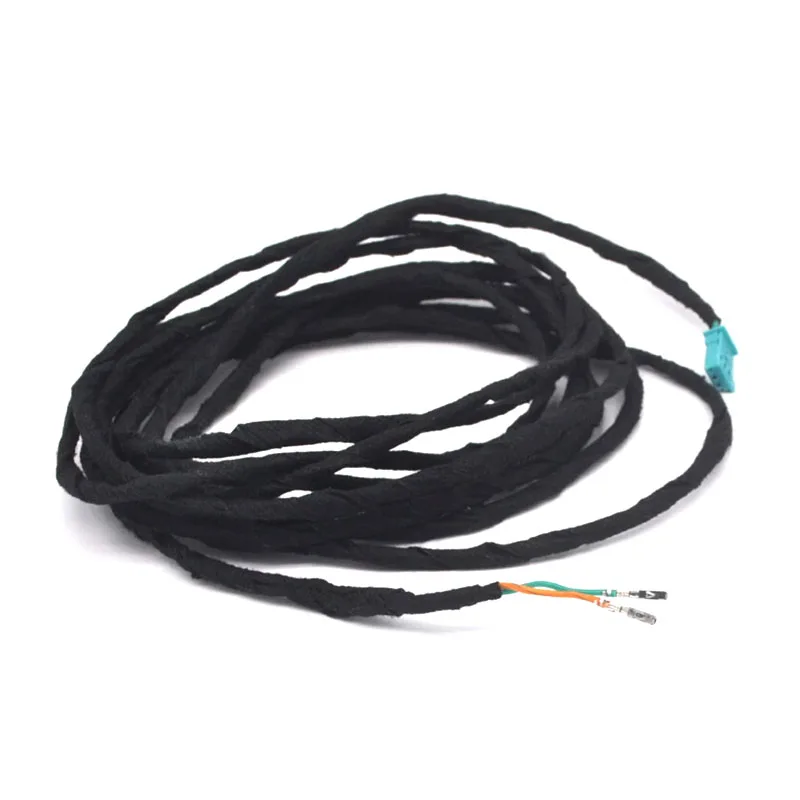
The Bluetooth voice microphone cable 4.3m with Shield For CIC NBT EVO F25 F30 addresses a specific retrofit need for BMW owners upgrading or repairing their factory infotainment systems. This shielded cable connects external Bluetooth microphones to CIC (Car Information Computer) and NBT EVO (Next Big Thing Evolution) head units, enabling hands-free calling and voice command functionality in F-series BMWs.
Understanding BMW iDrive System Compatibility
BMW's CIC system appeared in vehicles from approximately 2009-2012, while NBT and NBT EVO variants followed in later F-series models including the F25 (X3) and F30 (3 Series). The 4.3-meter cable length is precisely engineered to route from the head unit location in the dashboard to the overhead console or A-pillar mounting positions where Bluetooth microphones typically install. This specific length prevents excess cable slack while providing adequate reach for various mounting configurations.
The shielding designation is critical for audio quality. Unshielded microphone cables pick up electromagnetic interference from other vehicle electronics, creating static, buzzing, or feedback during calls. Proper shielding uses braided copper or aluminum wrapping around the conductor core, blocking RF interference from navigation systems, cellular radios, and engine control modules. Premium automotive microphone cables typically feature dual-layer shielding with overall coverage exceeding 90%.
CIC vs NBT EVO Retrofit Scenarios
Owners retrofitting NBT EVO head units into vehicles originally equipped with CIC systems often need this cable when the factory harness lacks proper microphone connections. The NBT EVO platform introduced enhanced Bluetooth profiles including wideband audio support (improving call clarity) and better noise cancellation algorithms. However, the physical microphone connector pinout changed between generations, making direct plug-and-play impossible without the correct adapter cable.
The F25 and F30 chassis share similar dashboard architecture, but microphone mounting locations differ. F30 sedans commonly mount the microphone in the overhead console near the sunroof controls, while F25 SUVs may use A-pillar or rearview mirror integrated positions. The 4.3m length accommodates both layouts, though installers should measure their specific routing path before purchasing.
Installation Considerations and Cable Routing
Professional installation requires removing the headliner or A-pillar trim to route the cable concealed within factory wire channels. The cable typically connects to the head unit's dedicated microphone input (often a 3.5mm or proprietary BMW connector) and terminates at the microphone module with a locking connector. Some aftermarket cables include inline amplifiers to boost microphone signal strength, though factory BMW systems usually provide adequate gain through the head unit's audio processing.
Cable routing should avoid high-temperature zones near heating ducts and maintain separation from power cables exceeding 12V to prevent crosstalk. BMW service manuals recommend securing cables every 15-20cm using factory clip locations. Loose cables can rattle against trim panels, creating annoying cabin noise at highway speeds. The shielding also requires proper grounding—most BMW head units ground the shield through the mounting bracket or a dedicated ground wire.
Microphone Cable Technical Specifications
Automotive Bluetooth microphone cables typically use 22-26 AWG conductors for signal transmission. The 4.3m length introduces approximately 0.5-1 ohm of resistance, negligible for microphone-level signals but requiring quality conductors to maintain signal integrity. Capacitance between conductors should remain below 100pF per meter to preserve high-frequency response critical for speech intelligibility.
The connector types matter significantly. Factory BMW microphones use weatherproof locking connectors with gold-plated contacts resistant to corrosion from humidity. Aftermarket cables may substitute tin-plated contacts that degrade faster in moisture-prone environments. The head unit side connector must match your specific CIC or NBT EVO variant—some use proprietary 6-pin Quadlock connectors while others accept standard 3.5mm TRS plugs.
Alternative Bluetooth Integration Options
While dedicated microphone cables provide factory-quality integration, universal Bluetooth adapters offer simpler installation. Products like the UGREEN Bluetooth 5.4 Car Receiver Adapter include built-in microphones and connect via AUX inputs, bypassing the need for head unit retrofits. However, these solutions sacrifice steering wheel controls and iDrive display integration that factory BMW systems provide through dedicated microphone cables.
Recommended Products
Hand-picked accessories related to this article
USB Bluetooth adapters work for basic audio streaming but lack the automotive-grade noise cancellation and echo suppression engineered into BMW's CIC and NBT platforms. The shielded BMW-specific cable ensures compatibility with the vehicle's digital signal processing, which analyzes cabin noise through multiple microphones and applies adaptive filtering impossible with generic adapters.
Common Installation Challenges
The most frequent issue involves incorrect connector identification. BMW used multiple microphone connector standards across F-series production years, and visual inspection alone cannot confirm compatibility. Owners should verify their head unit's exact part number and cross-reference against cable specifications. Connecting incompatible cables may result in no audio, distorted sound, or microphone phantom power damage.
Cable strain relief at connection points prevents premature failure. The dashboard-to-headliner transition experiences significant flexing during temperature changes and vehicle vibration. Quality cables include molded strain relief boots that distribute bending stress over several centimeters rather than concentrating it at the connector junction. Cables without proper strain relief often fail within 12-18 months of installation.
Key Takeaways
- The 4.3m shielded cable specifically serves BMW F25 and F30 models with CIC or NBT EVO head units
- Proper shielding prevents electromagnetic interference critical for clear hands-free calling
- Cable length accommodates overhead console and A-pillar microphone mounting locations
- Verify exact connector types for your specific CIC or NBT EVO variant before purchasing
- Professional installation ensures proper routing, grounding, and strain relief for long-term reliability
Frequently Asked Questions
Will this cable work with BMW models outside F25 and F30?
The cable physically fits other F-series models (F10, F15, F20) using CIC or NBT EVO systems, but microphone routing distances vary. F01 7-Series models require longer cables exceeding 5 meters due to extended dashboard-to-headliner distances. Always measure your specific routing path before assuming compatibility based solely on head unit type.
Can I use this cable with aftermarket head units?
Aftermarket Android head units designed for BMW typically accept standard 3.5mm microphone inputs, making this cable compatible if it terminates in a 3.5mm plug. However, proprietary BMW connector variants require adapter harnesses. Check your aftermarket head unit's microphone input specifications—some use Phoenix or Molex connectors incompatible with BMW factory plugs.
How do I test if the shielding is adequate?
Make test calls while activating electrical accessories: climate control blower, heated seats, navigation system. Properly shielded cables produce no audible interference. If the other party hears buzzing correlating with electrical loads, the shielding is inadequate or improperly grounded. Professional installers use oscilloscopes to measure shield effectiveness, typically targeting -40dB noise rejection or better.
What's the expected lifespan of a Bluetooth microphone cable?
Quality automotive-grade cables with proper installation last 7-10 years in typical climates. Extreme temperature cycling (below -20°C or above 70°C cabin temperatures) degrades insulation and solder joints faster. The primary failure mode involves connector corrosion from moisture intrusion, particularly in humid climates without proper connector sealing. Cables routed through high-flex areas near moving trim panels may develop conductor fractures within 3-5 years.
This article was produced through comprehensive AI-powered research and editorial tools. While we strive for accuracy, all vehicle modifications, product purchases, and installation decisions are undertaken entirely at your own risk and responsibility. We recommend consulting a qualified automotive professional before making any changes to your vehicle.