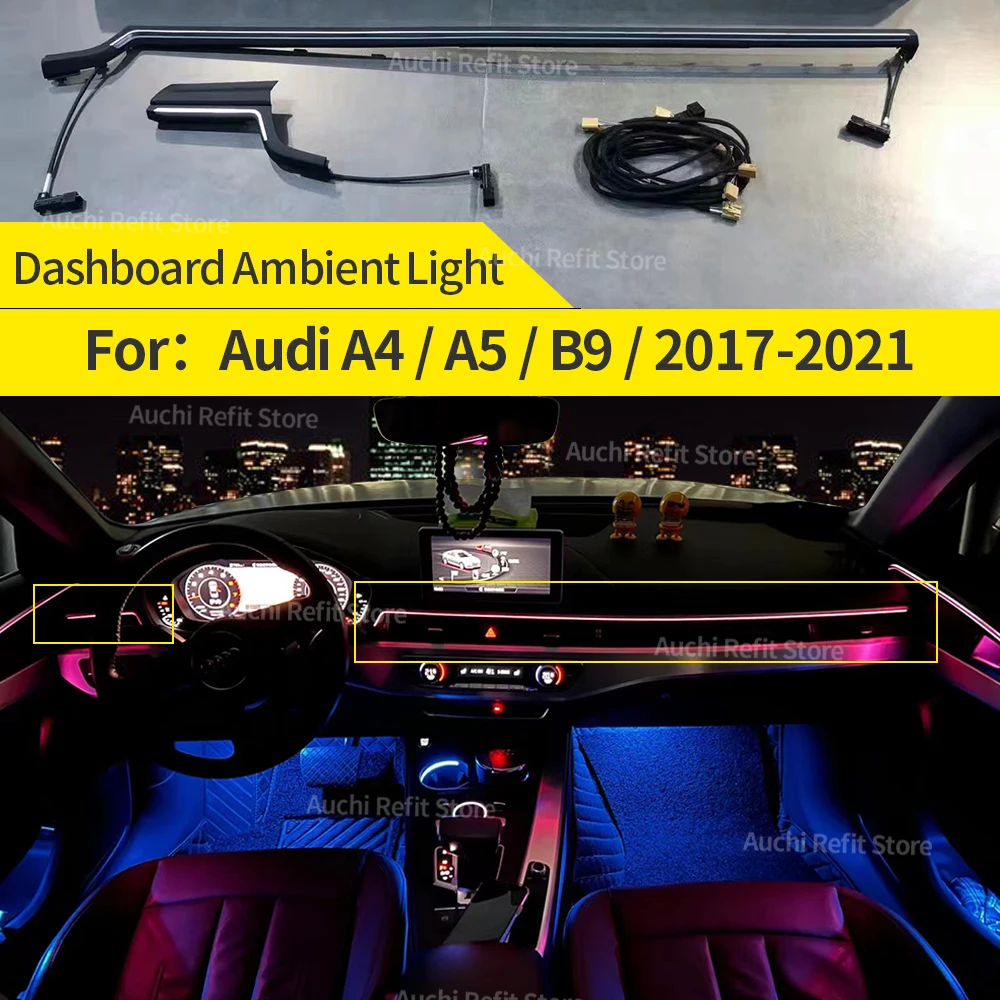
The 4G0 919 390 C For Q2 Front Foot LED Light is an OEM-specification interior lighting component designed specifically for the Audi Q2. This factory-grade LED module illuminates the front footwell area, providing ambient lighting that enhances cabin visibility and aesthetics while maintaining the original equipment manufacturer's build quality and electrical compatibility.
OEM Part Number Identification and Compatibility
The part number 4G0919390C (also listed as 4G0919390 C or 4G0-919-390-C) corresponds to the genuine Audi front footwell lighting assembly. This specific component is engineered for direct fitment on Audi Q2 models equipped with ambient lighting packages. The "4G0" prefix indicates it belongs to the MLB Evo platform parts family, which Audi uses across several model lines including certain Q2 variants produced from the model's introduction onward.
Before purchasing, verify your vehicle's equipment code using the Audi PR code sticker located in the spare tire well or service booklet. Vehicles with PR code QQ1 (ambient lighting package) or QQ2 (advanced ambient lighting) typically have the necessary wiring harness pre-installed. Models without these codes may require additional wiring work or complete harness installation, significantly increasing installation complexity.
Technical Specifications and LED Technology
Factory Audi footwell lighting modules utilize low-voltage LED technology operating at 12V DC through the vehicle's body control module. The LED elements typically produce 50-100 lumens of diffused light with a color temperature between 3000K and 6500K depending on the ambient lighting configuration. The 4G0919390C LED module features integrated current regulation to prevent voltage spikes and ensure consistent illumination without flickering.
The housing is constructed from ABS plastic with UV-resistant properties to prevent yellowing over time. The light diffuser uses textured polycarbonate to distribute illumination evenly across the footwell carpet without creating harsh spots or shadows. OEM units include waterproof connectors rated to IP67 standards, protecting against moisture intrusion from wet shoes or cleaning.
Installation Process and Mounting Considerations
Installation requires removing the lower dashboard trim panels on both driver and passenger sides. The footwell light mounts to dedicated clips molded into the dashboard structure using a twist-lock mechanism. No drilling or permanent modifications are necessary on properly equipped vehicles. Access requires a standard trim removal tool set and a T20 Torx driver for the trim panel fasteners.
The electrical connection uses a 2-pin Audi-specific connector that plugs directly into the existing wiring harness. Vehicles with factory ambient lighting have this connector pre-installed behind the trim panels. The body control module automatically recognizes the component when connected, requiring no coding or programming. However, vehicles without ambient lighting packages may need VCDS or OBD11 coding to activate the lighting circuit through the vehicle's control module.
Common Installation Challenges
The most frequent issue involves missing wiring harnesses on base-model Q2 variants. Retrofitting requires sourcing the complete ambient lighting harness (part number 4G1971095) and potentially updating control module software. The harness routes through the A-pillar trim and under the dashboard, requiring extensive interior disassembly. Professional installation is recommended for vehicles lacking pre-wiring.
Another challenge involves securing the light module properly within the mounting bracket. The twist-lock mechanism requires precise alignment—forcing the component can crack the mounting tabs. Always test-fit before connecting electrical components to ensure proper mechanical seating.
OEM Versus Aftermarket Quality Differences
Genuine Audi footwell lighting modules feature superior LED binning, ensuring consistent color temperature and brightness across left and right units. Aftermarket alternatives often exhibit color variation between sides due to lower-grade LED selection. The OEM part's integrated current regulation prevents the premature LED degradation common in cheaper aftermarket units that rely solely on resistors for current limiting.
Connector quality represents another significant difference. Factory components use gold-plated terminals with silicone seals, while budget alternatives typically feature tin-plated brass contacts prone to corrosion. The voltage regulation circuitry in genuine parts also prevents electromagnetic interference that can cause radio static or warning light malfunctions present with some aftermarket options.
Recommended Products
Hand-picked accessories related to this article
Diagnostic Troubleshooting for Footwell Lighting
Non-functional footwell lights typically indicate one of three issues: faulty LED module, damaged wiring harness, or control module configuration errors. Use a multimeter to test for 12V power at the connector with ignition on. Absence of voltage suggests wiring issues or inactive control module circuits. Presence of voltage with non-functional lights confirms module failure.
Flickering or dimming lights usually stem from poor ground connections or failing voltage regulation within the module. Check ground point G201 located under the driver's side dashboard for corrosion or loose connections. Intermittent operation often relates to connector pin tension—carefully inspect the plastic connector housing for cracks that allow pin movement.
Integration With Ambient Lighting Systems
On Q2 models equipped with advanced ambient lighting (PR code QQ2), footwell lights synchronize with door panel and dashboard accent lighting. The Multi Media Interface allows color selection across multiple preset options including white, red, blue, and violet. Brightness adjusts automatically based on exterior light sensor input, dimming during daylight hours and increasing intensity at night.
The system uses CAN-bus communication between the body control module and individual lighting zones. Each footwell light module contains addressable LED drivers that respond to color and intensity commands. This integration means replacement modules must meet OEM electrical specifications to avoid communication errors or warning messages in the instrument cluster.
Key Takeaways
- Part number 4G0919390C is the OEM-specification footwell LED light for Audi Q2 models
- Direct fitment requires existing ambient lighting package with pre-installed wiring harness
- Installation involves removing lower dashboard trim using standard tools with no permanent modifications
- OEM modules provide superior LED quality, voltage regulation, and connector durability versus aftermarket options
- Vehicles without ambient lighting packages require additional wiring harness and potential control module coding
Frequently Asked Questions
Will this footwell light work on other Audi models besides the Q2?
While the 4G0 part number prefix appears across multiple MLB platform Audi models, the mounting bracket and connector configuration are Q2-specific. Other models use different part numbers with unique physical dimensions and electrical pinouts. Always verify compatibility using your vehicle's exact model designation and equipment codes.
Can I install footwell LED lights on a Q2 without the ambient lighting package?
Installation is possible but requires the complete ambient lighting wiring harness (part 4G1971095) and control module coding to activate the lighting circuits. This retrofit typically costs more than the lighting modules themselves due to extensive labor requirements for harness installation through the dashboard and A-pillars.
How long do OEM Audi footwell LED modules typically last?
Factory LED modules are rated for approximately 50,000 hours of operation under normal conditions. At an average of 2 hours daily use, this translates to roughly 25 years of service life. Failures before this timeframe usually indicate voltage regulation issues or moisture intrusion rather than LED element degradation.
Do footwell lights drain the battery when the vehicle is parked?
The body control module powers down footwell lighting approximately 30 seconds after the ignition turns off and all doors close. Parasitic draw in this state is negligible, typically under 2 milliamps. Battery drain issues with footwell lighting usually indicate a faulty control module maintaining power to the lighting circuit rather than problems with the light modules themselves.
This article was produced through comprehensive AI-powered research and editorial tools. While we strive for accuracy, all vehicle modifications, product purchases, and installation decisions are undertaken entirely at your own risk and responsibility. We recommend consulting a qualified automotive professional before making any changes to your vehicle.