Replacing a faulty parking sensor wiring harness in Audi vehicles requires model-specific looms that match OEM connector types and pin configurations. These harnesses connect rear bumper PDC (Park Distance Control) sensors to the vehicle's control module, with each Audi generation using distinct wiring architectures and part numbers that are not interchangeable between model years.
Understanding Audi PDC Wiring Harness Compatibility
Audi parking sensor wiring harnesses are generation-specific components designed for precise fitment. The A4 B6 B7 8E harness (8E0971085A) serves models from the mid-2000s platform, featuring four-wire sensor connections with twisted-pair signal cables for noise reduction. This design uses weatherproof Tyco connectors that differ significantly from later generations, making cross-compatibility impossible without adapter modifications.
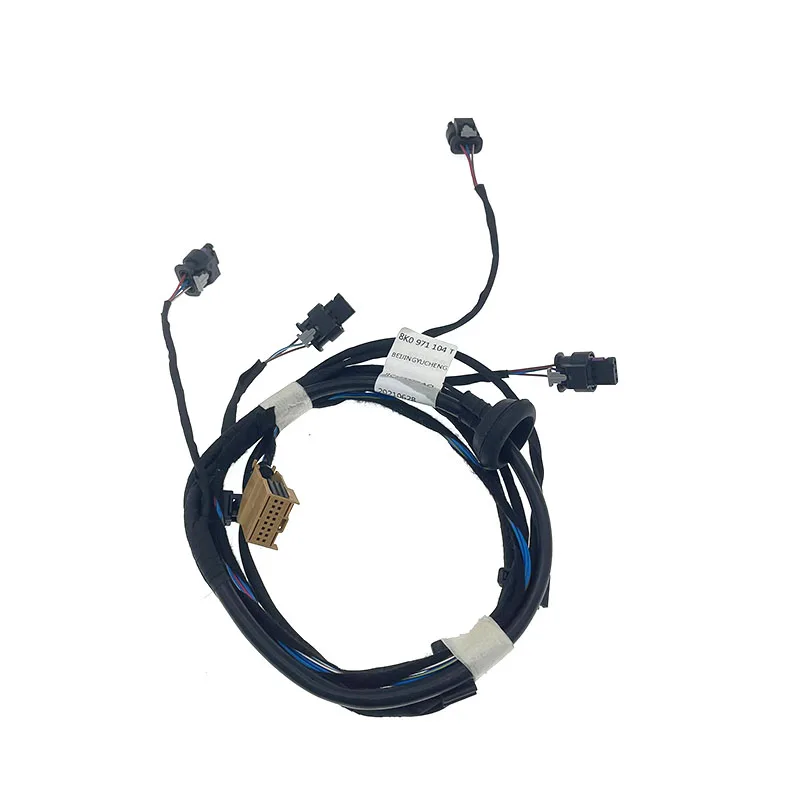
The A4 8K B8 wiring loom (8K0971104T) represents a newer architecture introduced with the B8 platform. These harnesses incorporate CAN-bus communication protocols and improved shielding for reduced electromagnetic interference. The connector housings changed to AMP Superseal designs, requiring exact replacement parts when corrosion or physical damage occurs. Pinout configurations vary between four-sensor and eight-sensor systems.
For SUV applications, the Q5 rear parking sensor harness (8R0971104AC) covers model years spanning nearly a decade. This harness accommodates the Q5's different bumper geometry and sensor mounting positions compared to sedan models. The wiring length extends approximately 15-20cm longer than A4 equivalents to account for the wider rear fascia and different routing paths through the tailgate area.
Critical Specifications and Quality Indicators
Genuine Audi PDC harnesses use cross-linked polyethylene (XLPE) insulation rated for -40°C to +125°C operation. The wire gauge typically measures 0.35mm² for signal lines and 0.5mm² for power/ground circuits. Aftermarket replacements should match these specifications exactly, as undersized conductors cause voltage drop and intermittent sensor malfunctions. Check that replacement harnesses include the correct sensor connector types—early models use two-pin connectors while newer systems require four-pin designs.
Connector quality determines long-term reliability in harsh environments. OEM-equivalent harnesses feature gold-plated terminals with 3-5 micron plating thickness to prevent oxidation. The connector housings should include integrated sealing ribs and secondary locking tabs. Poor-quality alternatives often use tin-plated terminals that corrode within 12-18 months of exposure to road salt and moisture, causing false warnings or complete sensor failure.
Wire Color Coding and Circuit Identification
Audi parking sensor harnesses follow standardized color coding: brown wires indicate ground connections, red/white traces signal power supply, and colored paired wires (typically blue/green and yellow/black) carry sensor data. The A4 B9 harness (8W0971104A) for four-sensor configurations maintains this scheme but adds additional shielding braids visible through the loom jacket. Proper identification prevents reversed connections during installation, which can damage control modules.
Installation Considerations and Common Failure Points
Parking sensor harness replacement requires removing the rear bumper cover on most Audi models, a process taking 45-90 minutes depending on experience level. The harness routes through the bumper reinforcement bar via rubber grommets that frequently crack and allow water intrusion—replace these grommets simultaneously to prevent premature failure of the new harness. Torque specifications for sensor mounting hardware range from 2.5-3.5 Nm to avoid cracking plastic sensor housings.
The most common failure point occurs at connector junction boxes located behind the bumper center section. These junction points experience flexing during minor impacts and vibration cycles, causing wire fatigue at crimp points. When installing replacement harnesses, apply dielectric grease to all connector interfaces and ensure proper strain relief at clip mounting points. Avoid routing the harness where it contacts sharp metal edges or heat sources like exhaust components.
Diagnostic Procedures Before Replacement
Before replacing the entire harness, test individual sensor connections using a multimeter set to resistance mode. Functional sensors typically measure 500-800 ohms at 20°C ambient temperature. Open circuits (infinite resistance) indicate broken wires within the harness, while short circuits (near-zero resistance) suggest insulation breakdown. The Q2 PDC harness (81A971104E) includes integrated diagnostics that can pinpoint specific circuit faults when scanned with VCDS or OBDeleven tools.
OEM Versus Aftermarket Quality Comparison
Recommended Products
Hand-picked accessories related to this article
SaleFor A4 B6 B7 8E 2006- Rear Bumper Parking Sensor Wiring Harness 8E0971085A 8E0971085 A 8E0 971 085 A
 Sale
SaleFor A4 8K B8 Rear Bumper PDC Wiring Loom 8K0971104T 8K0971104 T 8K0 971 104 T
 Sale
Sale2012-2021 For Q5 REAR PARKING SENSORS WIRING LOOM HARNESS 8R0971104AC 8R0 971 104 AC 8R0971104 AC
 Sale
SaleFor Q2 2016-2022 PDC Parking Sensor Wiring Loom Harness Rear 81A971104E 81A 971 104 E 81A971104 E
 Sale
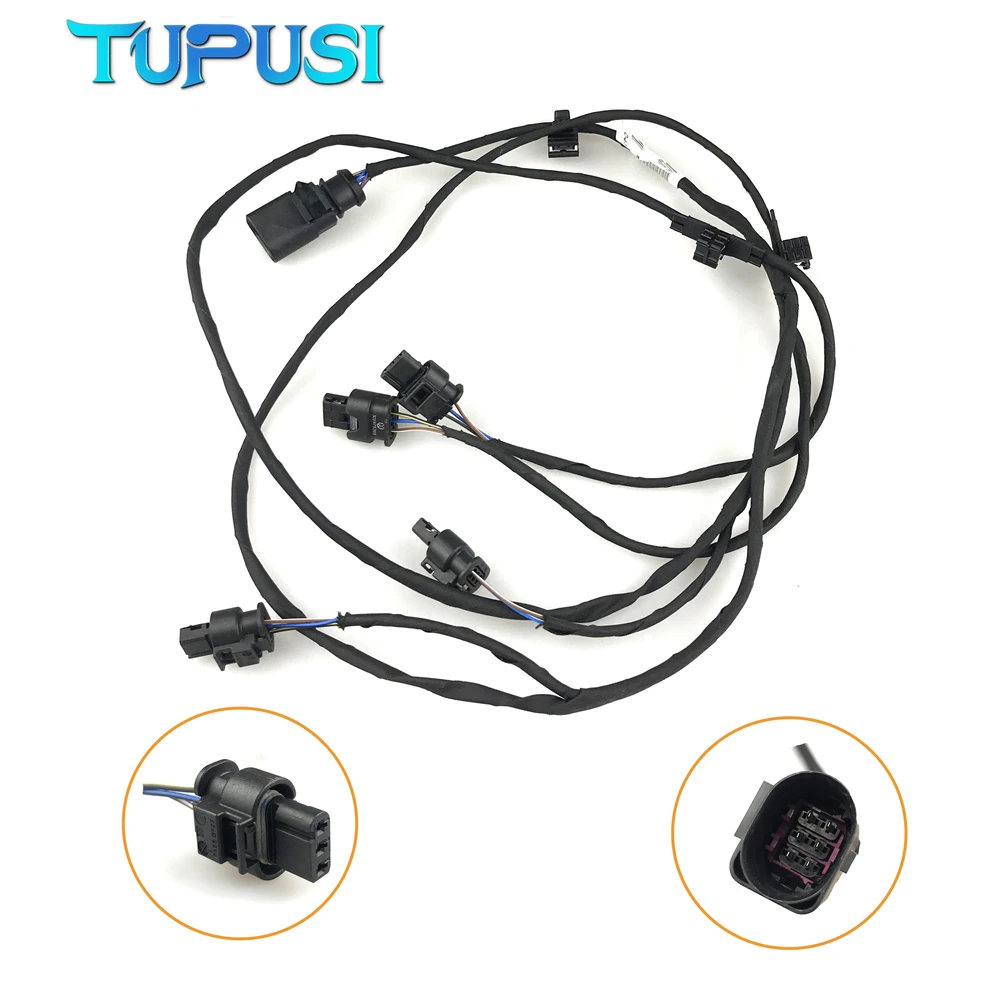
SalePDC Parking Sensor Wiring Harness Rear Parking Sensor Wiring 8W0971104A 8W0 971 104 A For A4 B9 2016- For 4 Sensor
 Sale
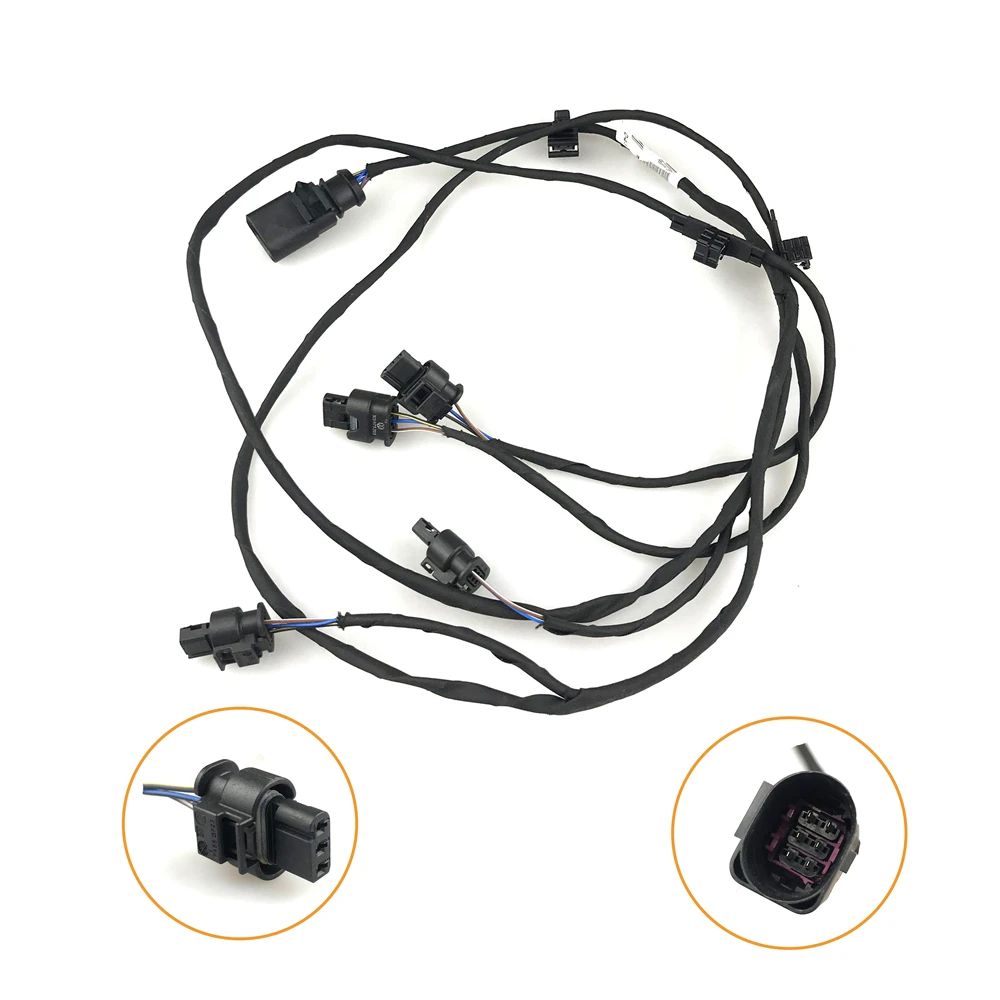
SaleFor Audi A4 S4 B8 8K Avant Quattro AL4 PDC Sensor Line Cable Parking Aid System Wiring Harness Front Bumper 8K0971095E
 Sale
Sale8K0971095E Parking Aid System Wiring Harness Front Bumper For Audi A4 S4 B8 8K Avant Quattro AL4 PDC Sensor Line Cable
Original equipment harnesses from Audi undergo salt spray testing per ISO 9227 standards and thermal cycling validation across 500+ cycles. Aftermarket alternatives vary significantly in quality—premium replacements use identical connector suppliers (TE Connectivity, Amphenol) and similar wire specifications, while budget options may substitute inferior materials. Examine the wire jacket closely; genuine harnesses display embossed part numbers every 30cm along the loom length.
Warranty coverage differs substantially between OEM and aftermarket options. Genuine Audi harnesses typically include 24-month warranties, while aftermarket parts range from 90 days to 12 months. Consider that control module damage from faulty aftermarket harnesses can exceed €800 in repair costs, making premium replacements worthwhile for vehicles under 10 years old. Budget harnesses suit older vehicles where total repair economics favor lower upfront costs.
Model-Specific Application Notes
The A4 B6/B7 platform (Type 8E) requires verifying whether the vehicle has factory PDC or retrofitted systems, as connector types differ. Original factory installations use the 8E0971085A specification, while retrofit kits may have modified junction points. B8 and B9 A4 models standardized PDC as common equipment, simplifying replacement part identification through VIN decoding of the PR codes in position 9T3 or 9T5.
Q5 models from late production runs may have integrated camera harnesses combined with PDC circuits. These combination harnesses carry video signals requiring shielded coaxial sections alongside sensor wiring. When replacing these hybrid harnesses, verify that the replacement includes both PDC and camera provisions if your vehicle has a rear-view camera system. Using PDC-only harnesses on camera-equipped vehicles causes system faults and disabled safety features.
Key Takeaways
- Audi PDC harnesses are platform-specific and not interchangeable between model generations due to different connector types and wiring protocols
- Quality indicators include XLPE insulation rated to 125°C, gold-plated terminals, and proper color-coded wire identification matching OEM standards
- Replacement requires bumper removal and takes 45-90 minutes; always replace rubber grommets and apply dielectric grease to connectors
- Test individual sensor circuits with a multimeter before replacing the entire harness to avoid unnecessary parts replacement
- Premium aftermarket harnesses from reputable suppliers offer better value than budget options considering potential control module damage risks
Frequently Asked Questions
Can I use an A4 B8 PDC harness in a B9 model?
No, the B8 and B9 platforms use different connector configurations and wiring protocols. The B9 harness (8W0971104A) includes updated sensor communication protocols and modified connector pin assignments that are incompatible with B8 control modules. Using incorrect harnesses causes persistent fault codes and non-functional parking sensors.
How long do Audi parking sensor harnesses typically last?
OEM harnesses generally survive 8-12 years in moderate climates, but exposure to road salt, frequent car washes, and minor bumper impacts can reduce lifespan to 5-7 years. Harness failure manifests as intermittent sensor warnings, false obstacle detection, or complete system shutdown. Corrosion at connector junctions is the primary failure mechanism.
What causes parking sensor wiring harness failure?
Water intrusion through cracked grommets causes most failures, leading to corrosion at connector pins and wire breaks from freeze-thaw cycles. Physical damage from debris impacts, improper installation with excessive tension on wires, and exposure to heat sources like exhaust components also contribute to premature failure. Flexing at junction points creates metal fatigue over time.
Do I need VCDS coding after installing a new PDC harness?
Most harness replacements do not require coding if you install the correct OEM-specification part. However, you must clear fault codes stored in the parking control module using VCDS, OBDeleven, or dealer diagnostic equipment. If replacing a four-sensor harness with an eight-sensor version or vice versa, module recoding becomes necessary to match the new sensor count.
This article was produced through comprehensive AI-powered research and editorial tools. While we strive for accuracy, all vehicle modifications, product purchases, and installation decisions are undertaken entirely at your own risk and responsibility. We recommend consulting a qualified automotive professional before making any changes to your vehicle.