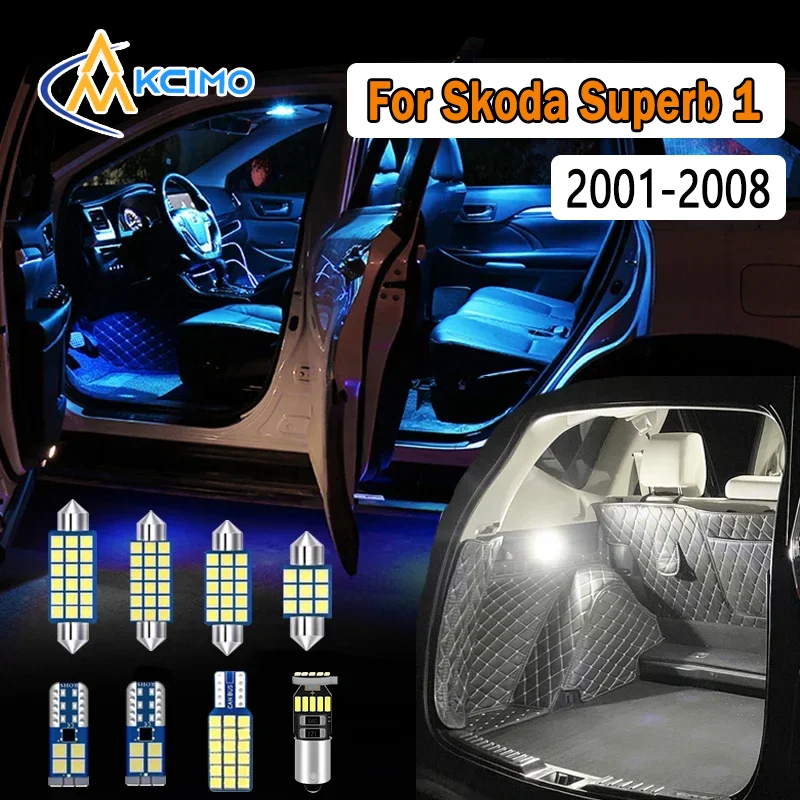
LED courtesy door entry light adapters are plug-and-play modules that enable Audi owners to upgrade factory door-mounted puddle lights to modern LED technology. These adapters resolve error codes generated by Audi's CANBUS system when standard LED bulbs are installed, making them essential for clean installations across A4, A5, A6, A7, A8, TT, Q3, Q5, and Q7 models.
CANBUS Compatibility and Error Prevention
Modern Audi vehicles use CANBUS monitoring systems that detect bulb failures by measuring resistance. Standard LED bulbs draw significantly less current than factory incandescent bulbs, triggering dashboard warning lights. The 4x LED entry light COURTESY door adapter for A4 A5 A6 A7 A8 TT Q3 Q5 Q7 incorporates resistor circuits that mimic OEM bulb resistance, preventing error messages while delivering LED performance. These adapters typically include built-in current regulators rated for 12V automotive systems with voltage fluctuations between 11.5-14.5V during engine start cycles.
Quality CANBUS adapters use metal-film resistors rather than carbon-composition types, providing stable resistance values across temperature ranges from -40°C to +85°C. This thermal stability prevents intermittent errors during winter operation or after extended driving sessions when door panel temperatures rise. The adapter housings should feature heat-dissipating designs, as resistor circuits generate approximately 3-5 watts of heat during operation.
Fitment Across Audi Model Ranges
Door courtesy light configurations vary across Audi generations. B8 platform A4 and A5 models (2009-2016) use the same connector type as C7 A6 and A7 variants, while the earlier B7 A4 requires different adapter pinouts. The Q5, Q7, and Q3 SUV models share connector designs with their sedan counterparts from equivalent production years. TT models from 2007 onward use a compact adapter format due to space constraints within door panel assemblies.
Before purchasing, verify your specific door panel connector type. Most Audi courtesy lights use either the single-wire ground-switched design or the two-wire constant-power configuration. The adapter kit should match your vehicle's wiring scheme, identifiable by removing the existing door panel trim and inspecting the courtesy light connector. Single-wire systems have one positive lead with door frame ground, while two-wire systems include dedicated ground returns.
LED Color Temperature Selection
Courtesy door light adapters typically support LED bulbs ranging from 3000K warm white to 6500K cool white color temperatures. OEM Audi interior lighting measures approximately 4300K, providing neutral white illumination. Many enthusiasts prefer 5000K-5500K for a modern appearance that matches HID or LED headlight color temperatures without appearing excessively blue.
Color temperature affects perceived brightness independent of actual lumen output. Cool white LEDs above 6000K can appear dim in amber-tinted door panel housings, while warm white below 4000K may seem yellowish compared to dashboard illumination. For cohesive interior aesthetics, match courtesy light color temperature to existing footwell, glove box, and dome light upgrades if previously completed.
Installation Process and Common Issues
Installation requires removing door panel trim by releasing plastic clips along the perimeter and disconnecting electrical connectors. The courtesy light housing typically secures with a quarter-turn bayonet mount or friction-fit retainer. Remove the factory bulb, insert the adapter harness between the vehicle connector and new LED bulb, then verify polarity if using single-wire ground systems. LED bulbs only illuminate when installed with correct polarity.
Common installation mistakes include forcing adapters into undersized door panel cavities. Measure available depth behind courtesy light housings before purchasing, as some adapter designs extend 15-20mm beyond OEM bulb dimensions. Excessive bulk prevents door panel reinstallation or causes rattling. Quality adapters use low-profile PCB designs under 8mm thickness that fit within standard Audi door panel tolerances.
Recommended Products
Hand-picked accessories related to this article
After installation, test operation with doors open and engine running to verify CANBUS compatibility under loaded electrical conditions. Some vehicles require a brief adaptation period where the CANBUS controller recalibrates resistance values. If errors persist after 5-10 door cycles, the adapter resistance may not match your specific vehicle's monitoring threshold.
Alternatives and Aftermarket Options
While various LED strip lights and ambient lighting products exist for general automotive use, these require splicing into vehicle wiring and lack plug-and-play fitment for Audi courtesy light applications. Purpose-built adapters provide cleaner installations compared to universal LED strips with separate controllers. License plate LED upgrades share similar CANBUS requirements and may use compatible adapter technology, though connector types differ from door-mounted courtesy lights.
Key Takeaways
- CANBUS adapters prevent dashboard error codes by matching OEM bulb resistance characteristics
- Verify connector type compatibility with your specific Audi model year before purchasing
- Choose 4300K-5500K color temperature for natural appearance matching factory interior lighting
- Measure door panel cavity depth to ensure low-profile adapters fit without interference
- Test under engine-running conditions to verify full CANBUS system compatibility
Frequently Asked Questions
Will these adapters work with any LED bulb type?
LED courtesy door adapters function with standard wedge-base (T10, 194) and festoon-style LED bulbs matching your Audi's socket configuration. The adapter handles CANBUS compatibility regardless of LED bulb brand, though total current draw should not exceed 500mA to prevent adapter overheating. Avoid high-wattage LED bulbs marketed above 5W output.
Do I need one adapter per door or per bulb?
Each courtesy light position requires a separate adapter. Most Audi models have two courtesy lights per front door (four total), with some vehicles including additional lights in rear doors or door sills. The 4-pack configuration covers standard front door installations on A4, A5, A6, and Q5 models.
Can these adapters cause electrical issues or drain the battery?
Quality CANBUS adapters draw minimal standby current (under 2mA) when doors are closed, equivalent to factory bulb leakage. They only consume full power when courtesy lights activate during door opening. Properly installed adapters include overcurrent protection preventing electrical damage, though poor-quality units may lack thermal fuses and overheat if LED bulbs short circuit.
How long do LED courtesy lights with adapters typically last?
LED bulbs paired with CANBUS adapters typically provide 20,000-30,000 hours of operation, approximately 15-20 years under normal door cycling usage. The adapter resistor circuits have similar longevity when operating within thermal limits. Adapter failure usually manifests as intermittent CANBUS errors rather than complete light failure, as the LED bulb continues functioning even if error prevention circuitry degrades.
This article was produced through comprehensive AI-powered research and editorial tools. While we strive for accuracy, all vehicle modifications, product purchases, and installation decisions are undertaken entirely at your own risk and responsibility. We recommend consulting a qualified automotive professional before making any changes to your vehicle.