Headlight and camera washer systems maintain visibility and sensor functionality in Audi vehicles. The Front Bumper Headlight Washer Hoses with Sprayer for A6 C6 and rear camera washer jet assemblies require specific part numbers based on production year and configuration. Understanding these differences ensures proper fitment and system operation.
Part Number Identification for A6 C6 Models
The Audi A6 C6 generation uses different headlight washer hose assemblies depending on the model year. The 2005-2008 models require part number 4F0955970 (4F0 955 970), while 2009 models use the updated 4F0955970A (4F0 955 970 A) specification. These part numbers are not interchangeable due to connector design and hose routing differences introduced during the mid-cycle refresh.
The part number distinction reflects engineering changes to the front bumper structure and headlight assembly mounting points. The "A" suffix in 4F0955970A indicates a revised design that accommodates updated headlight washer nozzle positioning and improved spray pattern distribution. When ordering replacement hoses, verify your vehicle's exact production date using the VIN decoder to ensure correct fitment.
Headlight Washer Hose Assembly Components
Complete headlight washer assemblies include the main feed hose, T-connector splitters, individual nozzle supply lines, and integrated spray nozzles. The system operates at approximately 4-6 bar pressure when activated, delivering washer fluid through calibrated jets that spray upward across the headlight lens surface. The hoses must withstand temperature ranges from -40°C to 120°C without becoming brittle or perishing.
OEM-specification hoses use reinforced rubber compounds with inner diameters of 4mm for primary feed lines and 3mm for nozzle branches. The connector fittings feature one-way check valves that prevent fluid backflow and maintain system pressure. Aftermarket alternatives should meet these specifications to ensure proper spray pattern and prevent premature failure from pressure cycling.
Common Failure Points
Headlight washer hoses typically fail at connection points where rubber meets plastic fittings. Repeated temperature cycling causes hardening and cracking, leading to fluid leaks that manifest as reduced spray pressure or complete system failure. UV exposure from engine bay heat accelerates degradation, particularly on hoses routed near the radiator support. Inspect connection points annually for seepage or crystallized fluid residue.
The spray nozzles themselves can clog from mineral deposits in washer fluid or debris contamination. Using concentrated washer fluids without proper dilution accelerates deposit formation. Nozzle assembly replacement becomes necessary when cleaning with compressed air and pin tools fails to restore proper spray geometry.
Rear Camera Washer Systems
The Rear Camera Washer Jet Nozzle Hose 5TA955993 80A955961A serves backup camera lens cleaning functions on newer Audi models equipped with rear-view camera systems. This assembly combines a dedicated washer jet with supply hose and mounting hardware. Part number 5TA 955 993 refers to the nozzle assembly, while 80A 955 961 A designates the supply hose section.
Camera washer systems use smaller nozzle orifices than headlight washers, typically 0.3mm versus 0.5mm, creating a focused spray pattern that covers the compact camera lens area. The system activates automatically when reverse gear engages if the camera detects lens contamination, or manually via the washer stalk. Proper nozzle aim is critical—the spray should center on the lens without overspray onto adjacent trim.
Installation Considerations
Replacing rear camera washer components requires removing the rear bumper cover or accessing through the tailgate trim panel, depending on vehicle configuration. The hose routes from the main washer fluid reservoir through protective conduit alongside the wiring harness. Ensure the hose follows factory routing paths to prevent chafing against metal edges or heat sources like exhaust components.
When installing new hoses, prime the system by activating the washer function multiple times with the nozzle disconnected at the spray head. This purges air from the lines and prevents dry-running the washer pump. Once fluid flows steadily, connect the nozzle and test spray pattern alignment before reassembling trim pieces.
Recommended Products
Hand-picked accessories related to this article
FRONT BUMPER HEADLIGHT WASHER HOSES WITH SPRAYER For A6 C6 2005-2008 4F0955970 4F0 955 970
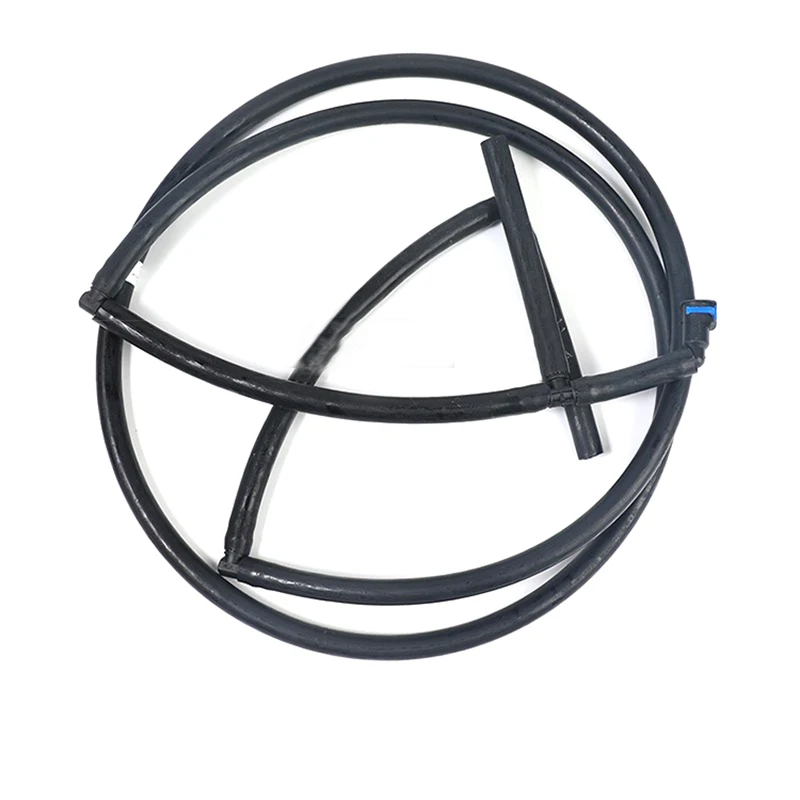
FRONT BUMPER HEADLIGHT WASHER HOSES WITH SPRAYER For A6 C6 2009 4F0955970A 4F0 955 970 A

Rear Camera Washer Jet Nozzle Hose 5TA955993 80A955961A 5TA 955 993 80A 955 961 A
Rear Camera Washer Jet Nozzle Hose 5TA955993 80A955961A 5TA 955 993 80A 955 961 A
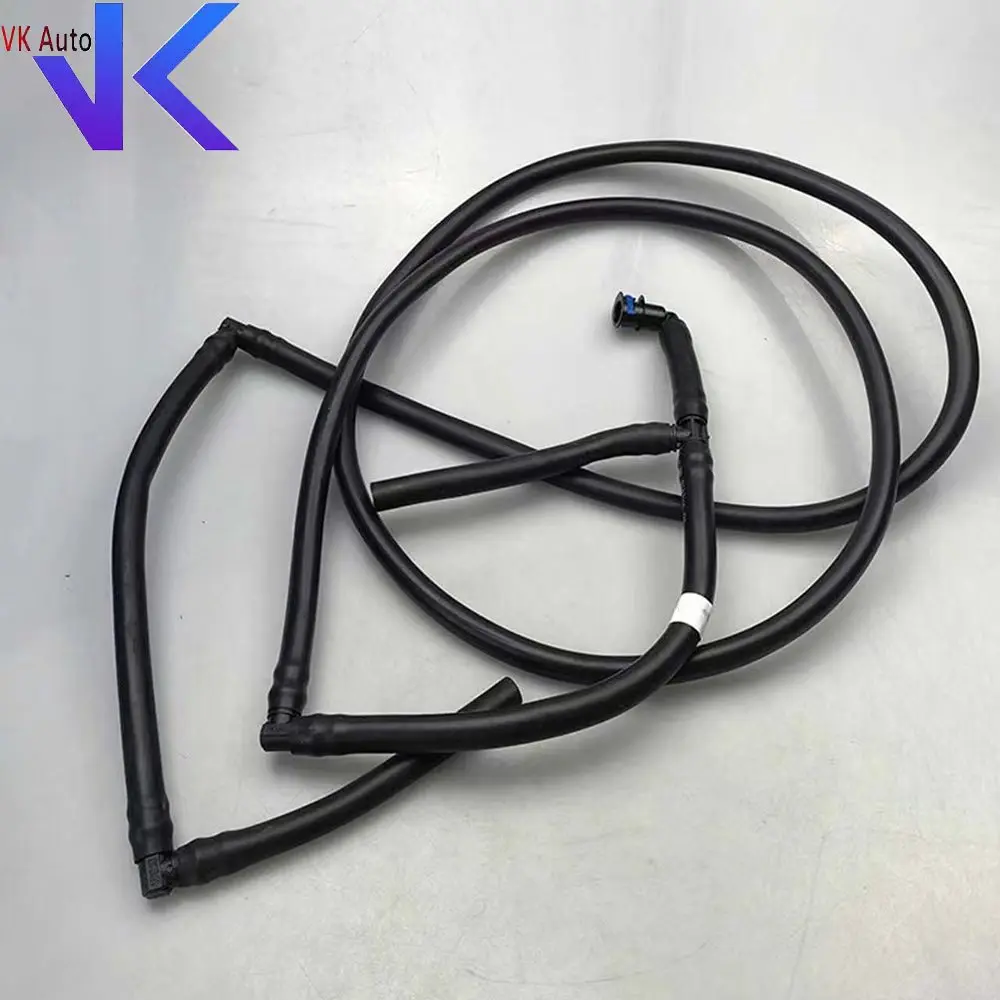
For Audi A6 C6 FRONT BUMPER HEADLIGHT WASHER HOSES WITH SPRAYER 2009 4F0955970A 4F0 955 970 A
 Sale
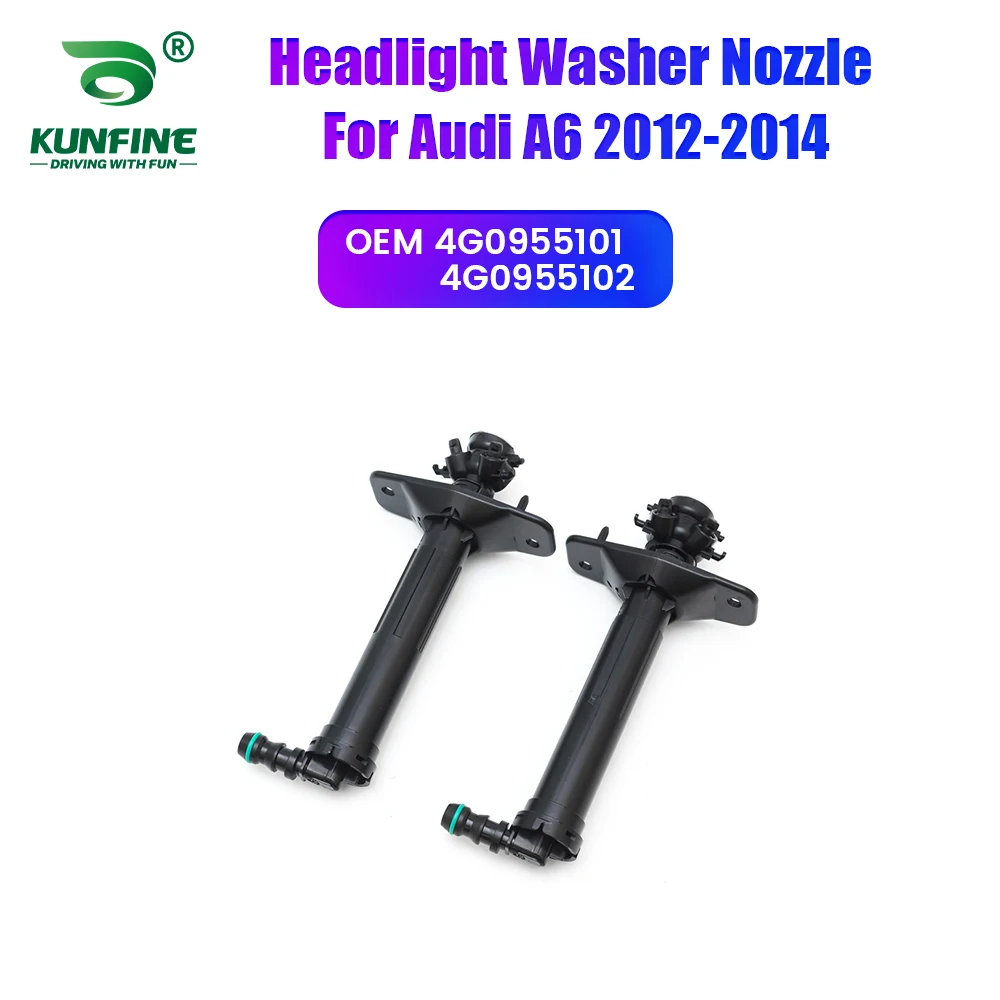
SaleCar Headlight Front Bumper Washer Spray Nozzle Jet Headlamp Pump Cover For Audi A6 2012-2014 4G0955101 4G0955102
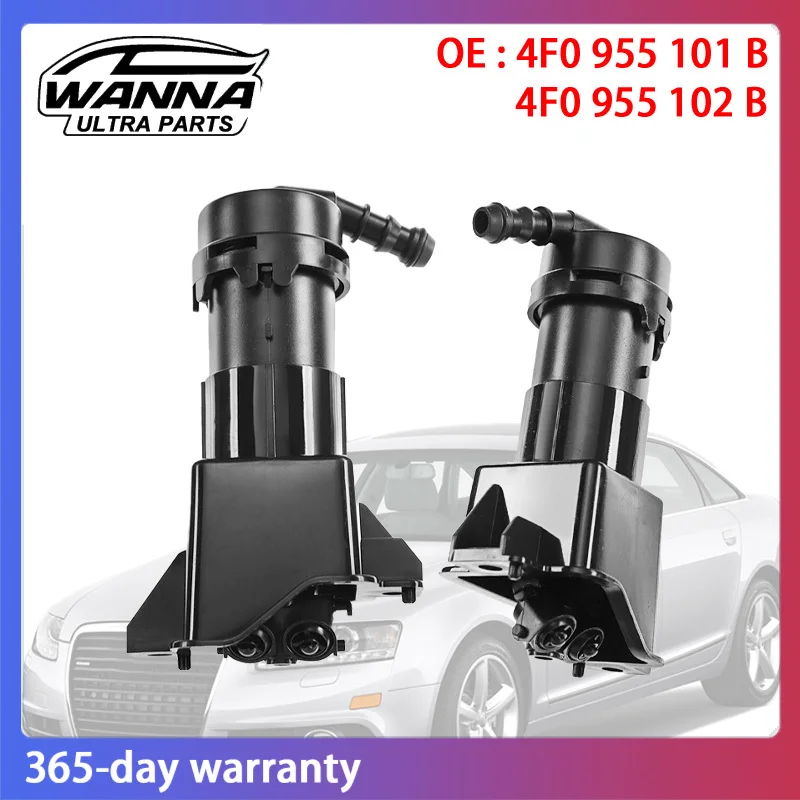
OE 4F0955101B 4F0955102B Left Right Headlight Washer Lift Cylinder Spray Nozzle Jet for Audi A6 C6 / A6 C6 Avant 2009 2010 2011
Quality Indicators and Material Specifications
Premium replacement hoses use EPDM rubber compounds that resist washer fluid chemicals including methanol and ethylene glycol. Inferior materials may swell or soften when exposed to concentrated fluids, causing connection failures. Check that replacement hoses specify UV and ozone resistance ratings, essential for components exposed to engine bay conditions.
Connector fittings should replicate OEM quick-disconnect designs with positive locking mechanisms. Push-fit connectors without proper retention clips can separate under pressure, causing intermittent operation. Metal spring clamps provide more secure connections than plastic squeeze clamps for permanent installations.
Alternatives and Compatibility
Several aftermarket manufacturers produce compatible washer hose assemblies for Audi A6 C6 models. When evaluating alternatives, confirm that part numbers match OEM specifications exactly—universal "fits all" kits rarely accommodate the specific routing and connector types required. Some suppliers offer complete rebuild kits including hoses, nozzles, check valves, and T-connectors as cost-effective solutions for aging systems.
Cross-platform compatibility exists between certain Audi models sharing the same generation architecture. A6 C6 components may interchange with A4 B7 or Q7 4L models for specific years, but verify connector types and hose lengths before ordering. Parts catalogs using ETKA part number lookup provide definitive compatibility information.
Key Takeaways
- A6 C6 headlight washer hoses use different part numbers pre-2009 (4F0955970) versus 2009+ (4F0955970A) due to design changes
- Complete assemblies include feed hoses, connectors, and spray nozzles calibrated for 4-6 bar operating pressure
- Rear camera washer systems use smaller nozzle orifices and require precise spray alignment for effective lens cleaning
- EPDM rubber construction with chemical resistance ratings ensures longevity in washer fluid exposure
- Annual inspection of connection points prevents unexpected failures from temperature cycling and UV degradation
Frequently Asked Questions
Can I use 2005-2008 headlight washer hoses on a 2009 A6 C6?
No, the 2009 model requires part number 4F0955970A with different connector configurations and routing paths. The earlier 4F0955970 version will not fit properly due to changes in bumper structure and nozzle positioning during the mid-cycle update.
How do I know if my headlight washer hoses need replacement?
Visible fluid leaks at connection points, reduced spray pressure, or complete spray failure indicate hose problems. Check for hardened, cracked rubber at fittings and white crystallized deposits from dried washer fluid. If cleaning nozzles doesn't restore function, replace the hose assembly.
What causes rear camera washer nozzles to clog?
Mineral deposits from improperly diluted washer fluid and road debris accumulation block the 0.3mm nozzle orifice. Use distilled water-based washer fluids at recommended concentrations and clean nozzles quarterly with compressed air to prevent buildup.
Are aftermarket washer hoses as reliable as OEM parts?
Quality varies significantly. Look for aftermarket hoses specifying EPDM rubber construction, UV resistance, and exact OEM part number compatibility. Avoid universal-fit kits that lack proper connectors. Reputable aftermarket manufacturers matching OEM specifications provide comparable reliability at lower cost.
This article was produced through comprehensive AI-powered research and editorial tools. While we strive for accuracy, all vehicle modifications, product purchases, and installation decisions are undertaken entirely at your own risk and responsibility. We recommend consulting a qualified automotive professional before making any changes to your vehicle.