ABS sensor wiring harnesses and brake pad wear indicator sensors are critical safety components in Volkswagen Group vehicles that frequently fail due to repeated stress, water intrusion, and connector corrosion. These electrical connectors transmit wheel speed data and brake pad condition to the vehicle's control modules, making proper replacement essential for maintaining ABS, traction control, and brake monitoring systems.
Understanding ABS Sensor Wiring Harness Failure Points
The wiring harnesses connecting ABS wheel speed sensors to the vehicle's main electrical system are vulnerable to specific failure modes. Located between the wheel wells and chassis, these cables endure constant flexing during suspension movement, exposure to road salt, temperature extremes from -40°C to 125°C, and direct water spray. The most common failure point occurs at the sensor connector where repeated movement causes wire fatigue and internal conductor breakage, often without visible external damage.
The For A4 8W B9 Front Left ABS Sensor wiring harness 8W0972251 addresses the specific connector design used in the MLB Evo platform introduced in the A4 B9 generation. This harness features a 2-pin connector configuration that carries the differential signal from the active magnetic sensor. The OEM part number 8W0972251 indicates this is a left-side specific component, as the cable routing and connector orientation differ from the right side installation.
The 6Q0927903R FOR Polo 9N Fox Ibiza Fabia Front ABS Sensor Wiring Harness serves the older PQ25 platform shared across multiple VAG economy models. This platform uses a different sensor technology with a distinct connector pinout. The 6Q0927903R harness includes the correct impedance matching for the passive inductive sensors used in this generation, which differs from the active Hall-effect sensors in newer platforms.
Brake Pad Wear Indicator Sensor Technology
Brake pad wear indicator sensors use a simple but effective design where a thin wire loop embedded in the brake pad friction material serves as a closed circuit. When pad material wears down to approximately 3mm thickness, the wire contacts the brake rotor and breaks, triggering a warning light on the instrument cluster. This mechanical-electrical design provides reliable advance warning before pads reach minimum safe thickness.
The For A5 8T B8 Front Brake Pad Wear Indicator Speed Sensor Wire 8K0972251E combines both functions in platforms where the wear sensor shares connector housing with the ABS sensor wiring. The 8K0972251E part number indicates B8 generation compatibility, which uses a 5-pin connector configuration that integrates both the wheel speed sensor signals and the wear indicator circuit. This integrated design reduces connector count but means a single harness failure can affect both systems.
The For BEETLE A5 FRONT LEFT WIRING HARNESS FOR SPEED SENSOR 5C0927903E serves the A5 platform Beetle, which shares the PQ35 architecture with the Golf/Jetta family. The 5C0927903E harness uses weather-sealed connectors with integrated silicone seals to prevent moisture intrusion, a common upgrade from earlier PQ platform designs that suffered from corrosion-related failures.
Connector Pin Configuration and Signal Types
ABS sensor harnesses typically use differential signal pairs for noise immunity. The active magnetic sensors in newer vehicles generate a square-wave digital signal that varies in frequency with wheel speed, ranging from approximately 1Hz at very low speeds to over 1kHz at highway speeds. The harness must maintain proper twisted-pair geometry and shielding to prevent electromagnetic interference from ignition systems and electric motors from corrupting the signal.
Brake pad wear sensors use a simple single-wire circuit with ground return through the brake caliper body. The circuit typically carries less than 50mA at 12V, with the control module monitoring for an open circuit condition. Quality replacement harnesses include the correct gauge wire (typically 22-24 AWG) with high-strand-count construction for flexibility and fatigue resistance.
Compatibility and Fitment Verification
Volkswagen Group parts carry specific compatibility codes embedded in the part numbers. The first characters indicate the platform and generation, while the last digits often indicate production changes or revised designs. For example, 8W0 prefix parts are specific to the MLB Evo platform (A4 B9, A5 F5), while 8K0 prefix indicates MLB platform (A4 B8, A5 8T). Using parts with mismatched prefixes will result in incorrect connector types or cable lengths.
Left versus right side designation is critical for these harnesses. The cable routing path, connector orientation, and mounting clip positions are mirror images between sides. Installing a left-side harness on the right side may appear to fit initially but will create excess cable length that can interfere with suspension components or insufficient length causing tension on the connector.
Platform Cross-Compatibility
The PQ25 platform components like the 6Q0927903R harness interchange across Polo 9N, Fox, Ibiza 6L, and Fabia 6Y models built between 2001-2009. These vehicles share identical sensor mounting locations and control module connector pinouts. However, the later PQ25 refresh (Polo 6R) uses different connectors and is not compatible despite shared platform designation.
The MLB platform parts show more variation between models. While A4 B8 and A5 8T share many components due to simultaneous development, the A6 C7 uses extended-length harnesses despite using the same sensor technology. Always verify the complete part number including suffix letters, as running changes during production introduce revised connector designs.
Installation Considerations and Common Issues
Recommended Products
Hand-picked accessories related to this article
SaleFor A4 8W B9 Front Left ABS Sensor 8W0972251 8W0 972 251
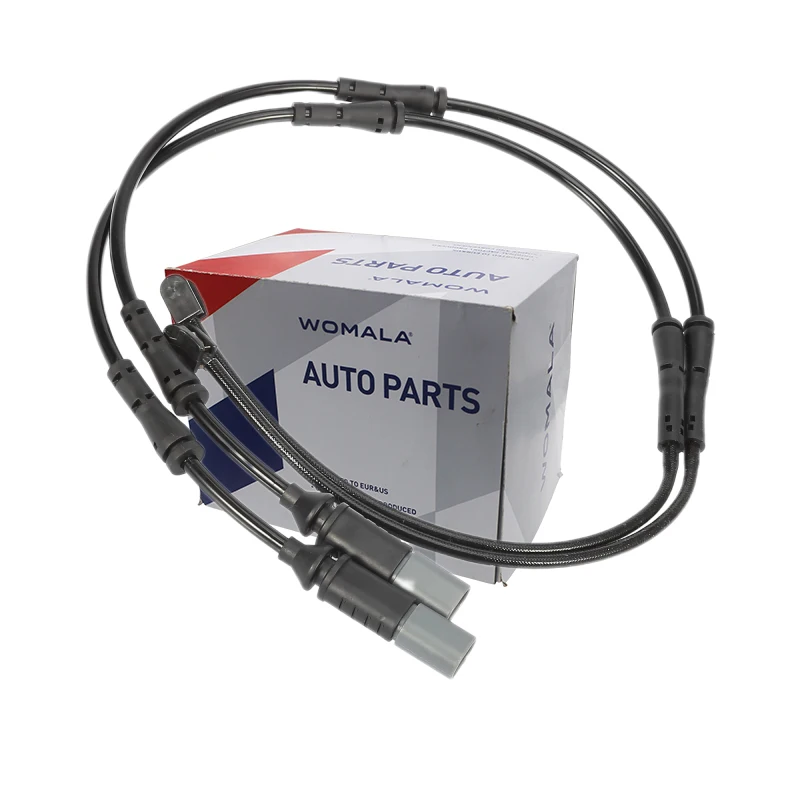
Womala OE 34356791958 Front Brake Pad Wear Indicator Sensor Front For BMW 5 7 Series F10 F07 F11 F12 F13 F01
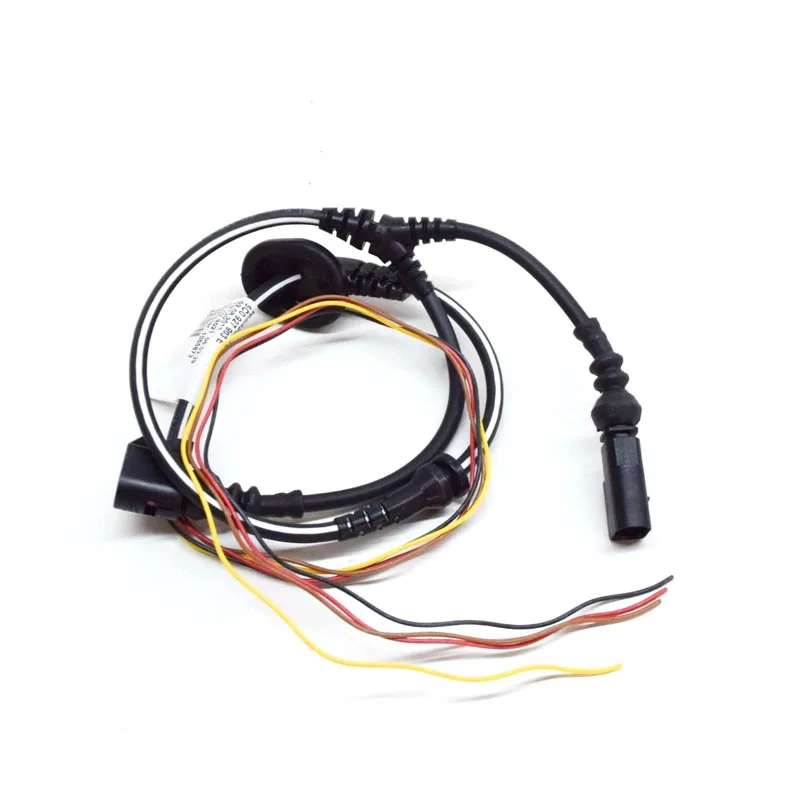 Sale
SaleFor BEETLE A5 FRONT LEFT WIRING HARNESS FOR SPEED SENSOR 5C0927903E 5C0 927 903 E 5C0927903 E
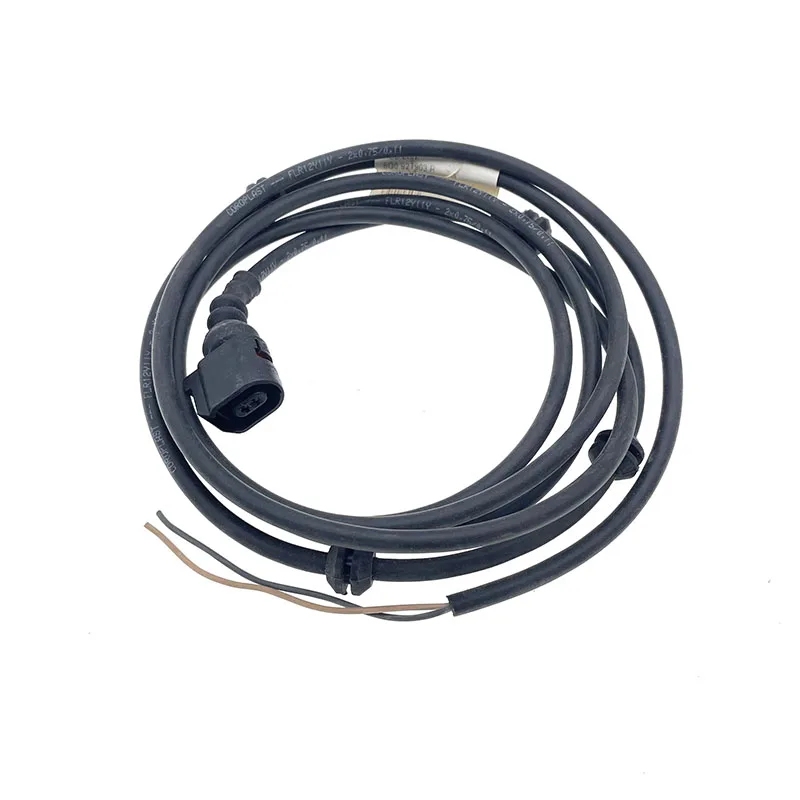 Sale
Sale6Q0927903R FOR Polo 9N Fox Ibiza Fabia Front ABS Sensor Wiring Harness 6Q0 927 903 R 6Q0927903 R

OEM Left Front ABS Speed Sensor Wiring Cable Harness For Audi A4 S4 B9 A5 S5 2017-2025 8W0972251
Proper harness installation requires attention to cable routing and securing all mounting clips. The harnesses include molded clips that snap into specific chassis mounting points, maintaining correct cable positioning away from moving suspension components and sharp edges. Incorrect routing can cause premature wear or allow the cable to contact the CV axle or control arms during suspension travel.
Connector preparation is essential for reliable operation. Clean the mating connector on the vehicle harness side with electrical contact cleaner and verify pin condition before installing the replacement. Bent or corroded pins in the vehicle-side connector will cause intermittent operation even with a new sensor harness. Apply dielectric grease to the connector interior to prevent moisture intrusion.
Diagnostic Trouble Codes and Testing
Failed ABS sensor harnesses typically generate fault codes C1101-C1104 (wheel speed sensor signal implausible) or C1141-C1144 (wheel speed sensor no signal). Brake pad wear sensor failures trigger codes C2200-C2203 (brake pad wear sensor circuit open). Using a diagnostic scanner with live data capability, verify that wheel speed sensors show matching values when the vehicle is driven, and that wear sensor circuits show closed (low resistance) before replacement.
Resistance testing the removed harness helps confirm failure. ABS sensor harnesses should show continuity (less than 1 ohm) on each conductor with no shorts between conductors or to ground. Brake pad wear sensor circuits should show less than 5 ohms end-to-end. Higher resistance indicates internal conductor damage even if the insulation appears intact.
OEM Versus Aftermarket Quality Indicators
Quality replacement harnesses use multi-strand copper conductors with proper insulation ratings. Inferior products use aluminum conductors or solid-core wire that fails quickly under flexing stress. Check that connectors are color-matched to OEM specifications and include proper locking tabs—poorly molded connectors may fit loosely and allow water intrusion.
Cable insulation should be flexible cross-linked polyethylene or TPE (thermoplastic elastomer) rated for automotive under-hood temperatures. PVC insulation becomes brittle in cold weather and cracks prematurely. Quality harnesses maintain flexibility when bent at room temperature and show no cracking or stiffness.
Key Takeaways
- ABS sensor harnesses are platform-specific with distinct connectors for each generation; verify complete part numbers including prefix and suffix codes
- Left and right side harnesses are not interchangeable due to different cable routing and mounting clip positions
- Brake pad wear indicators integrate with ABS sensor harnesses in some platforms, requiring combined replacement
- Proper cable routing and securing all mounting clips prevents premature failure from suspension component interference
- Quality harnesses use multi-strand copper conductors and automotive-grade insulation that remains flexible in temperature extremes
Frequently Asked Questions
Can I use an ABS sensor harness from a different model year on the same generation vehicle?
Only if the complete part number including suffix letters matches exactly. Running changes during production often revise connector designs or add pins for additional functions. A harness without the correct suffix may have incompatible pin counts or positions even though the connector body appears identical.
Why does my ABS warning light return after replacing the sensor harness?
The vehicle-side connector may have corroded or bent pins, or the wheel speed sensor itself may be damaged. The tone ring (exciter ring) on the CV axle or hub bearing can also develop cracks or missing teeth that cause erratic signals. Verify the sensor air gap is within specification (typically 0.5-1.5mm) and check tone ring condition visually.
Do brake pad wear sensor circuits need to be reset after replacement?
Most VAG vehicles automatically reset the wear indicator warning after the ignition cycle completes with a closed circuit detected. Some models require manually resetting the service indicator through the instrument cluster menu or with a diagnostic scanner. The circuit itself has no memory—it simply monitors for open versus closed state.
Are integrated ABS and wear sensor harnesses interchangeable with sensor-only harnesses?
No. The connector pin count and positions differ between integrated and separate designs. Installing a 2-pin ABS-only harness on a vehicle expecting a 5-pin integrated harness will leave wear sensor circuits disconnected, causing warning lights even with functional brake pads. Always match the connector type to the vehicle's original configuration.
This article was produced through comprehensive AI-powered research and editorial tools. While we strive for accuracy, all vehicle modifications, product purchases, and installation decisions are undertaken entirely at your own risk and responsibility. We recommend consulting a qualified automotive professional before making any changes to your vehicle.