Volkswagen and Audi door electrical systems rely on specialized wiring harnesses and cables that frequently fail due to repeated flexing at door hinges. Replacement requires identifying correct part numbers and understanding model-specific compatibility to ensure proper fitment and functionality.
Audi A3 8P Door Cable Systems
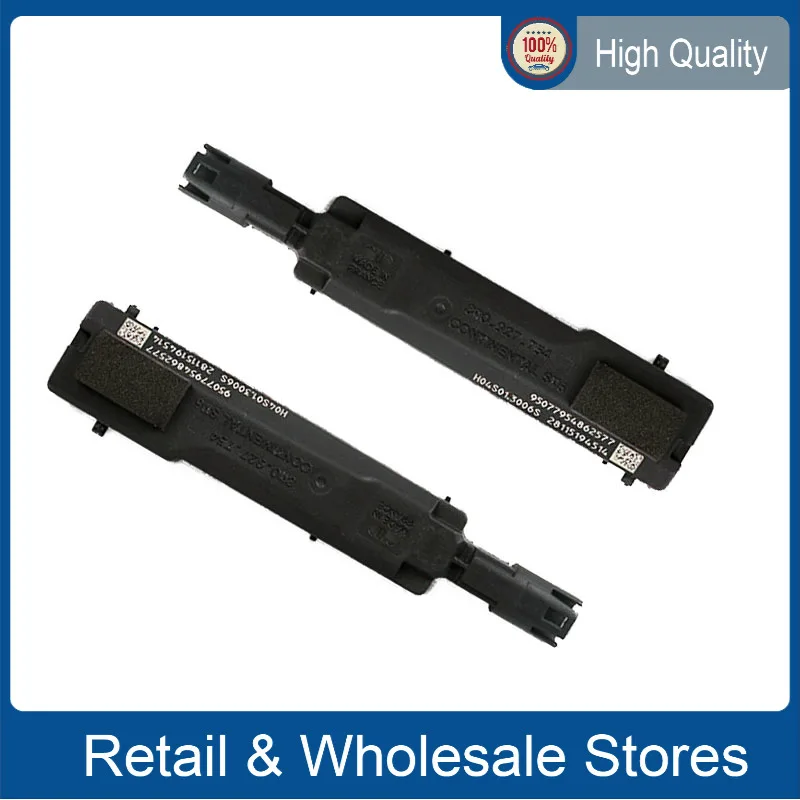
The For A3 8P 2011 Front Right Door Cables 8P4971035AC addresses a common failure point in Audi A3 8P Sportback models from model year 2008 onward. These door harnesses typically weigh approximately 0.34 kg and connect all electrical components within the door panel to the vehicle's main wiring system. The OEM part number 8P4971035AC specifically fits the front right (passenger side in left-hand drive markets) door assembly.
Audi A3 door cables share similar failure patterns with Volkswagen MK5 platform vehicles. The cables run through the door hinge area where constant opening and closing creates stress points. Common symptoms include intermittent window switch operation, door latch sensor errors showing false open/closed readings, and complete electrical switch malfunctions. Updated harness versions feature longer cable routing to reduce stress concentration at the hinge pivot point.
Compatibility and Part Number Variations
Audi A3 8P door cables come in multiple variants including 8P4 971 029 C, G, K, and M suffixes. These letter designations indicate production updates and are NOT interchangeable across model years. VIN verification is essential before ordering to ensure the replacement harness matches the original connector configuration. Installing an incorrect variant results in mismatched pin layouts and non-functional electrical components.
Keyless Entry System Door Sensor Cables
The Keyless Entry System Door Sensor Cable Kessy Entry Wiring for Golf 7 MK7 Passat B8 Tiguan MK2 Teramont serves vehicles equipped with Volkswagen's KESSY (Keyless Entry Start and Exit System) technology. These specialized cables connect door handle sensors that detect key fob proximity, enabling touch-unlock functionality and preventing lockouts when the key remains inside the vehicle.
KESSY door sensor cables differ fundamentally from standard door harnesses. They contain additional conductors for capacitive touch sensors integrated into exterior door handles. When these cables fail, symptoms include inability to unlock via handle touch, delayed system response, or complete KESSY system shutdown requiring manual key operation. The system may also generate fault codes related to door handle sensor communication.
Cross-Platform Compatibility
This cable design spans multiple MQB platform vehicles including Golf 7 MK7 (2013-2019), Passat B8 (2015 onward), Tiguan MK2 (2016 onward), and Teramont/Atlas models. The shared MQB architecture allows common electrical components, but installation requires verifying specific connector types. Earlier pre-facelift models may use different connector housings than later production runs despite identical part numbers.
Golf MK7 Interior Door Handle Covers
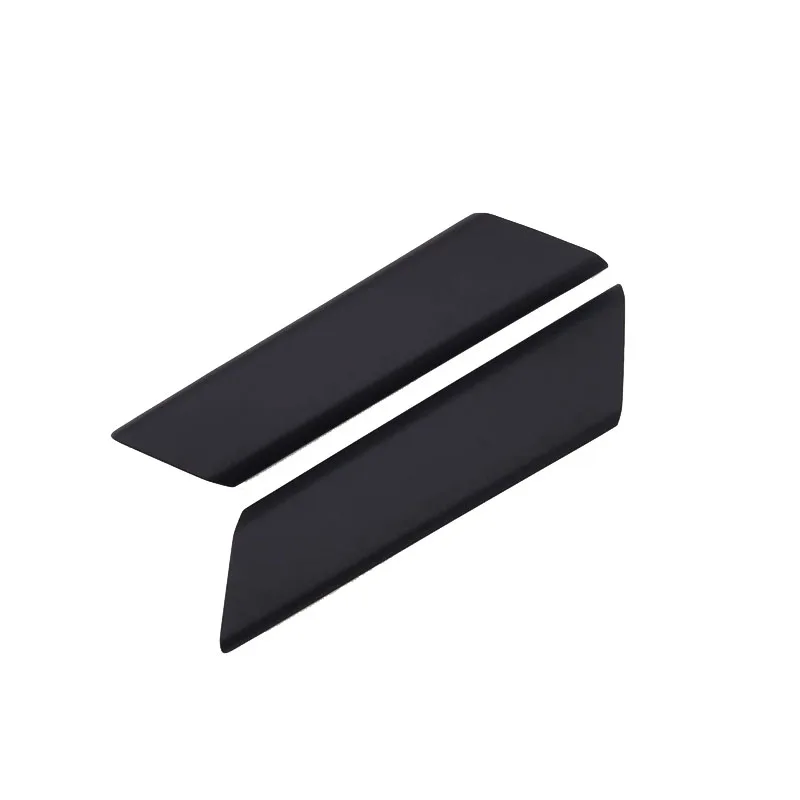
The FOR Golf MK7 Interior Front Door Handle Cover 5G0868040A 5G0868039A provides replacement trim pieces for interior door pull assemblies. OEM part numbers 5G0868040A (driver side) and 5G0868039A (passenger side) indicate side-specific components with different mounting clip positions. These covers protect the structural door handle mechanism while providing finished appearance.
Interior handle covers frequently crack or discolor from UV exposure, hand oils, and cleaning chemicals. Replacement requires careful removal to avoid breaking underlying mounting tabs. The covers snap into place over the metal door handle frame using spring clips at specific locations. Improper installation causes rattles or premature clip failure.
Installation Considerations
Accessing door cables and components requires systematic trim removal. Golf MK7 and similar models use T20 and T30 Torx fasteners for door panel attachment. Inner door cards secure with combination of screws and plastic push clips that must be released without breaking. Door latch assemblies additionally require M6 triple square bits for proper removal and installation torque specifications.
Common Failure Patterns and Diagnosis
Door wiring harnesses fail primarily at hinge flex points where copper conductors fracture from repeated bending cycles. Early symptoms appear intermittently—a window switch works only when the door is partially open, or a door ajar warning activates randomly. Progressive failure leads to complete circuit loss. Diagnosis requires test light verification at connector points inside the door cavity and at the A-pillar junction box.
Recommended Products
Hand-picked accessories related to this article
SaleFor A3 8P 2011 Front Right Door Cables 8P4971035AC 8P4 971 035 AC
 Sale
SaleKeyless Entry System Door Sensor Cable Kessy Entry Wiring for Golf 7 MK7 Passat B8 Tiguan MK2 Teramont
 Sale
SaleFOR Golf MK7 Interior Front Door Handle Cover 5G0868040A 5G0868039A 5G0 868 040 A 5G0 868 039 A

For VW Bora Car Side Inner Outer Exterior Control Door Handle Latch Release Cable Wire Front Rear Left Right 2009 2010 2011 2012
Front Rear Left Right Door Lock Hande Bowden Cable Line For VW Passat B6 2006 -2011 3C4837085C 3C4 837 085 C
Updated harness designs incorporate longer cable routing with additional service loop material at the hinge area. This prevents the tight bend radius that causes conductor fatigue. When replacing failed harnesses, using updated part numbers prevents repeat failures. Older design harnesses may be discontinued, making updated versions the only available option.
Related Door Components
Door latch assemblies work in conjunction with wiring harnesses and frequently fail on similar model ranges. Symptoms include doors opening when locked, locking system arm failures, parasitic battery drain, and extended fuel pump prime times during startup. The front driver door latch is most failure-prone due to highest usage frequency. OEM part numbers like 3B1837015AT (driver) and 3B1837016CG (passenger) specify side-specific assemblies with different cable routing.
Installation Tools and Procedures
Professional door cable replacement requires specific tools beyond basic mechanics sets. T20 and T30 Torx bits remove trim panels and mounting screws. M6 triple square (XZN) bits are mandatory for door latch bolts—standard hex or Torx bits will strip these fasteners. Trim panel removal tools prevent damage to plastic clips. Cable routing must follow original paths precisely to prevent pinching at closure points.
Connector orientation matters critically during installation. Door harness connectors use keyed housings that physically prevent backward insertion, but similar-looking connectors may fit wrong locations. Comparing old and new harnesses before removal ensures correct routing path documentation. Photographing connector locations and cable tie positions aids reassembly.
OEM Versus Aftermarket Options
Original equipment manufacturer cables provide guaranteed fitment and connector compatibility but cost significantly more than aftermarket alternatives. Generic door cables may lack proper conductor gauge, resulting in voltage drop and intermittent operation. Quality aftermarket suppliers replicate OEM specifications including wire gauge, insulation materials, and connector housings. Budget options frequently substitute inferior plastic in connectors that become brittle and crack prematurely.
Key Takeaways
- Audi A3 8P and VW MK5 platform door cables fail at hinge flex points; updated versions include longer routing to prevent stress fractures
- KESSY keyless entry cables contain additional conductors for capacitive sensors and are not interchangeable with standard door harnesses
- VIN verification is essential for door cable orders as letter suffix variations indicate non-interchangeable connector configurations
- Golf MK7 interior handle covers use side-specific part numbers with different clip positions
- Professional installation requires T20/T30 Torx bits and M6 triple square bits for door latch components
Frequently Asked Questions
Are Audi A3 8P door cables compatible with VW Golf MK5 models?
No, despite sharing similar PQ35 platform architecture, Audi A3 8P uses different connector configurations and part numbers than VW Golf MK5. The A3 uses 8P4-series part numbers while Golf MK5 uses 1K5-series designations with incompatible pin layouts at the A-pillar junction.
Can I install KESSY door sensor cables on a vehicle without factory keyless entry?
No, KESSY cables require corresponding control modules, programmed key fobs, and compatible door handle assemblies with integrated capacitive sensors. The wiring alone cannot enable keyless entry functionality without complete system components and dealer programming.
Why do door wiring harnesses fail more frequently on driver side doors?
Driver doors experience 3-5 times more open/close cycles than passenger doors in typical usage patterns. This accelerated flexing at the hinge point causes conductor fatigue and insulation cracking sooner than less-used doors. Updated harness designs with longer service loops address this failure mode.
Do interior door handle covers require different parts for left versus right sides?
Yes, Golf MK7 interior handle covers use side-specific part numbers (5G0868040A for one side, 5G0868039A for the other) due to different mounting clip positions and door panel contours. Universal or generic covers may not align properly with factory mounting points.
This article was produced through comprehensive AI-powered research and editorial tools. While we strive for accuracy, all vehicle modifications, product purchases, and installation decisions are undertaken entirely at your own risk and responsibility. We recommend consulting a qualified automotive professional before making any changes to your vehicle.