TPMS sensor harnesses for VW MQB platform vehicles and Mercedes-Benz retrofit applications enable proper tire pressure monitoring system functionality when replacing modules or adding systems to vehicles. The OEM part number 5Q0907273B represents the second-generation MQB TPMS harness, while Mercedes applications use specific retrofit cables for W205, W213, and W253 chassis codes.
Understanding TPMS Harness Applications
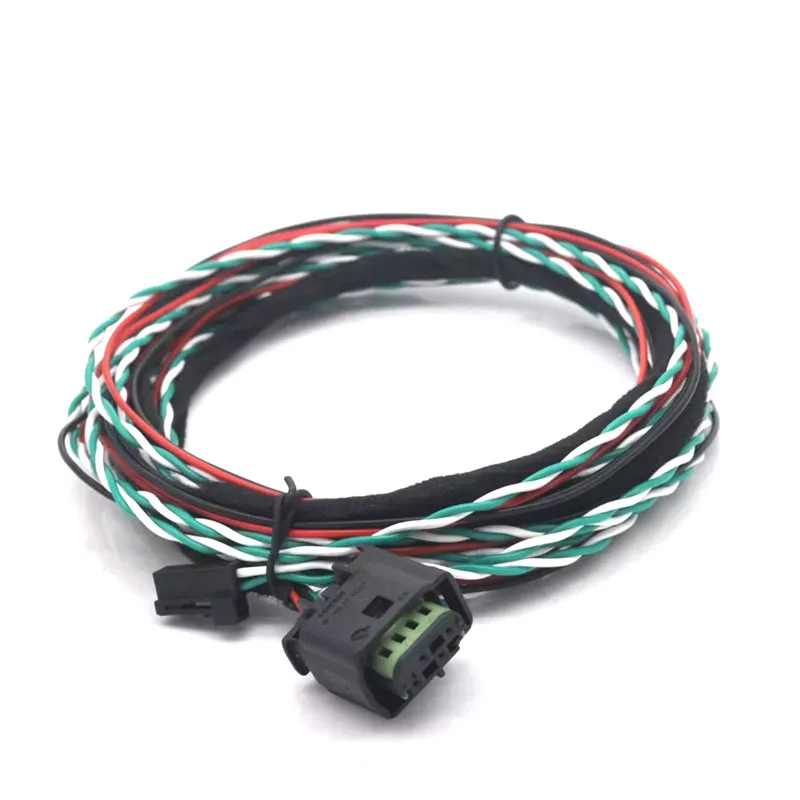
The For MQB TPMS second generation tire pressure monitoring system sensor harness 5Q0907273B serves as the communication link between tire pressure sensors and the central control unit in VW Group vehicles. This harness is essential for Golf 7 MK7, Tiguan, Passat B8, and Touran models built on the MQB platform. The second-generation system offers improved sensor communication and faster response times compared to first-generation systems.
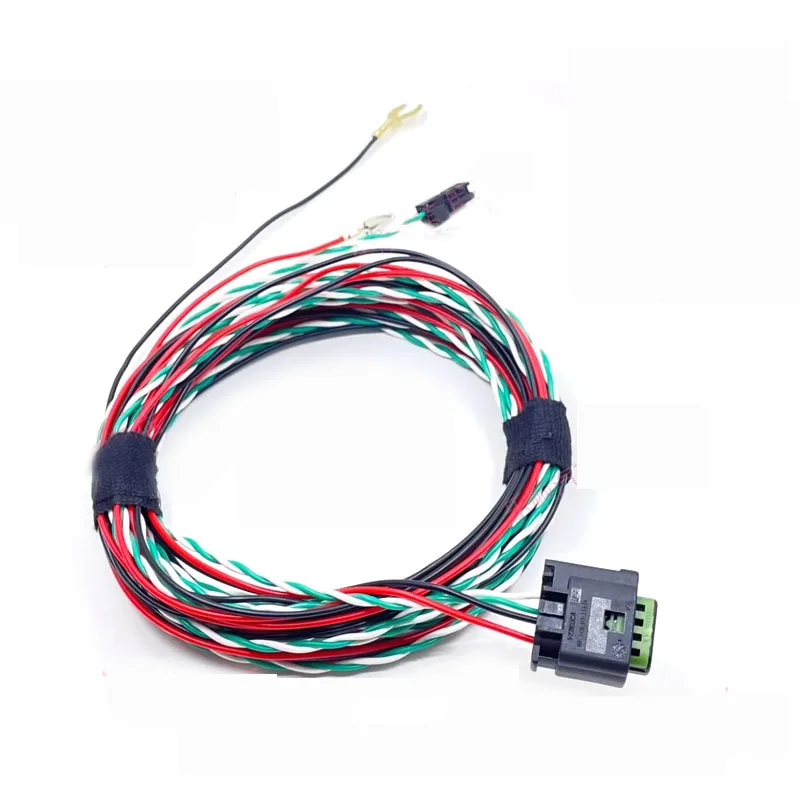
Mercedes-Benz applications require different harness configurations. The Retrofit Tire Pressure Unit Module cable For W205 C W253 GLC W213 E addresses the specific wiring requirements for retrofitting TPMS modules into Mercedes vehicles that either lacked the system originally or need replacement components. Mercedes wiring architecture differs significantly from VW Group vehicles, requiring chassis-specific harnesses.
OEM Part Number Identification
The 5Q0907273B part number specifically identifies the VW Group second-generation TPMS harness. This standardized numbering allows verification of correct fitment across multiple models within the MQB platform. When sourcing replacement harnesses, confirming this exact part number prevents compatibility issues with the control module's communication protocol.
The part number breaks down as follows: 5Q0 indicates MQB platform designation, 907 represents the electronic control systems category, and 273B specifies the TPMS harness variant. Alternative sellers may list this as 5Q0 907 273 B with spacing, but both formats reference the identical component.
Cross-Platform Compatibility Verification
MQB platform TPMS harnesses maintain compatibility across VW, Audi, and Skoda models sharing the architecture. However, the harness alone does not guarantee full system functionality. The vehicle's control unit firmware must support TPMS operation, and wheel sensors must transmit on compatible frequencies. Some base-model vehicles may lack the necessary control unit programming even with correct harness installation.
For Mercedes retrofit applications, the TIRE PRESSURE MONITOR SENSOR TPMS harness For C Class E Class GLE GLB GLC CLA GLS covers multiple chassis codes including W205 C-Class, W213 E-Class, and W253 GLC. Mercedes uses different harness lengths and connector configurations based on module location, making chassis-specific identification critical before ordering.
Installation Considerations
TPMS harness installation requires accessing the control module location, typically behind interior trim panels or under front seating areas. For VW MQB vehicles, the control unit mounts near the central console area. Disconnect the vehicle battery before harness removal to prevent control unit damage from electrical surges or short circuits during the procedure.
The harness connects between the receiver antenna and the main control unit. The antenna portion typically mounts near the vehicle's center, receiving 433 MHz signals from wheel-mounted pressure sensors. Proper antenna orientation affects signal reception quality, so maintain the original mounting position when installing replacement harnesses.
Common Installation Challenges
Connector orientation poses the most frequent installation issue. The harness connectors are keyed to prevent reverse installation, but forcing misaligned connectors damages the pins. Verify connector alignment before applying pressure, and ensure the locking tab fully engages. Some aftermarket harnesses use slightly different connector housings than OEM components, requiring careful fitting verification.
Cable routing affects long-term reliability. Sharp bends create stress points where conductors can fracture over time from vibration. Follow original routing paths, using existing cable management clips to prevent contact with moving components or sharp metal edges. Leave slight slack near the control unit connection to prevent tension during service access.
OEM vs Aftermarket Quality Indicators
OEM TPMS harnesses from VW Group suppliers feature multi-layer shielding to prevent electromagnetic interference from other vehicle systems. The conductor gauge meets automotive specifications for temperature extremes and vibration resistance. Aftermarket harnesses vary significantly in construction quality, with budget options using thinner conductors and minimal shielding that can cause intermittent communication errors.
Recommended Products
Hand-picked accessories related to this article
SaleFor MQB TPMS second generation tire pressure monitoring system sensor harness 5Q0907273B 5Q0 907 273 B
 Sale
SaleRetrofit Tire Pressure Unit Module cable For W205 C W253 GLC W213 E
 Sale
SaleTIRE PRESSURE MONITOR SENSOR TPMS harness For C Class E Class GLE GLB GLC CLA GLS
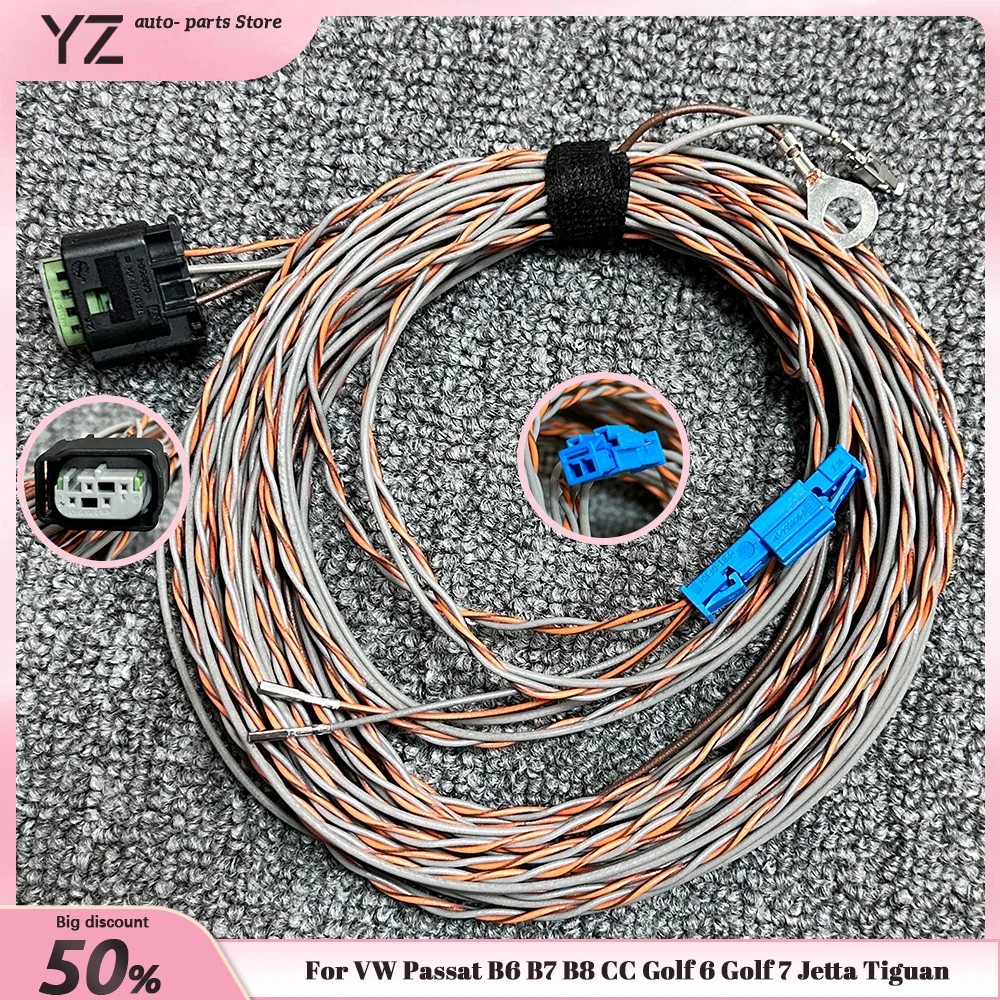
For VW MQB FOR AUDI For SKODA TPMS second generation tire pressure monitoring system sensor harness 5Q0907273B 5Q0 907 273 B

TPMS second generation tire pressure monitoring system sensor harness For VW MQB 5Q0907273B Tire Pressure Warning Cable
Connector quality directly impacts reliability. OEM connectors use gold-plated contacts resistant to corrosion and maintain low contact resistance over thousands of connection cycles. Lower-quality aftermarket connectors may use tin or nickel plating that oxidizes more quickly, causing resistance increases that disrupt sensor communication. Inspect connector pins for uniform plating and solid contact spring tension.
Price vs Quality Trade-offs
TPMS harness pricing spans from approximately 7 to 26 euros based on supplier and specification claims. The lowest-priced options often lack proper shielding and use economy-grade connectors adequate for basic functionality but prone to earlier failure. Mid-range aftermarket harnesses typically provide acceptable reliability for most applications, while premium aftermarket and OEM components offer maximum longevity.
For vehicles in harsh climates with extreme temperature swings or high humidity, investing in higher-quality harnesses prevents premature failure. Budget harnesses work adequately in moderate climates with garage storage, but daily exposure to environmental extremes accelerates deterioration of inferior materials and construction.
Diagnostic Considerations
TPMS system faults may originate from harness issues rather than sensor or control unit failures. Intermittent warning light activation often indicates loose connections or damaged conductors in the harness. Using a diagnostic scan tool to read TPMS fault codes helps isolate harness problems from sensor or module faults before ordering replacement components.
Common fault codes related to harness issues include communication errors between the control unit and receiver antenna. These codes indicate signal interruption along the harness path. Physical inspection of the harness for visible damage, including abraded insulation or crushed sections, should precede electronic diagnostics to identify obvious failure points.
Key Takeaways
- OEM part 5Q0907273B specifically fits VW MQB platform vehicles including Golf 7 MK7, Tiguan, Passat B8, and Touran
- Mercedes-Benz retrofit requires chassis-specific harnesses for W205, W213, and W253 models with different connector configurations
- Second-generation TPMS harnesses provide improved communication protocols over first-generation systems
- Harness quality varies significantly across price points, with connector and shielding quality affecting long-term reliability
- Proper installation requires battery disconnection, correct connector orientation, and following original cable routing paths
- Diagnostic fault codes help distinguish harness failures from sensor or control unit issues
Frequently Asked Questions
Will a VW MQB TPMS harness work in Mercedes-Benz vehicles?
No, VW MQB harnesses use completely different connector configurations and wiring pinouts than Mercedes-Benz systems. Mercedes requires chassis-specific harnesses designed for W205, W213, or W253 platforms. Using incorrect harnesses prevents proper module communication and may damage control units.
How do I know if my vehicle needs a second-generation TPMS harness?
Check your existing control unit part number or consult the vehicle's original equipment list. MQB platform vehicles from approximately model year 2013 forward typically use second-generation systems. The control unit location and connector configuration also differ between generations, making physical comparison straightforward during inspection.
Can aftermarket TPMS harnesses cause warning light issues?
Yes, lower-quality aftermarket harnesses with inadequate shielding or poor connectors may cause intermittent communication errors that trigger warning lights. These issues often appear as random fault codes without pattern. Higher-quality aftermarket harnesses with proper shielding and OEM-specification connectors typically function reliably without triggering false warnings.
What tools are needed to replace a TPMS harness?
Basic trim removal tools for interior panel access, appropriate socket or wrench sizes for control unit mounting, and a diagnostic scan tool for clearing fault codes after installation. No specialized electrical tools are required since the harness uses plug-and-play connectors, though a multimeter helps verify proper connection continuity after installation.
This article was produced through comprehensive AI-powered research and editorial tools. While we strive for accuracy, all vehicle modifications, product purchases, and installation decisions are undertaken entirely at your own risk and responsibility. We recommend consulting a qualified automotive professional before making any changes to your vehicle.