OEM replacement wiring harnesses are critical electrical components that restore factory-grade connectivity in Volkswagen, Audi, and BMW vehicles. These harnesses use vehicle-specific connectors and wire gauges designed to handle the precise voltage and amperage requirements of modern German automotive systems.
Understanding Vehicle-Specific Wiring Harness Applications
Automotive wiring harnesses serve as the nervous system of your vehicle, connecting sensors, actuators, and control modules. The Wire Harness Gear Rack Wiring 1K1971111AJ is engineered for VW Golf 5 and 6 generations, as well as Passat models, featuring the OEM part number format that ensures exact fitment. This harness connects gear selector mechanisms to the vehicle's transmission control module, using temperature-resistant insulation rated for under-hood environments.
For BMW applications, the X5 E70 HSD Wiring Harness 61119244255 addresses the High-Speed Data communication system specific to the E70 chassis. This harness uses shielded twisted-pair wiring to prevent electromagnetic interference in BMW's complex CAN-bus network, which operates at data transmission speeds up to 500 Kbit/s. The part number 61119244255 corresponds directly to BMW's electronic parts catalog specifications.
Fuel Injection System Harness Specifications
Direct fuel injection systems require precise electrical timing and voltage delivery. The 06F971082F Injector Harness for Passat B6 Golf R 2.0T is designed for the EA113 and EA888 engine families, which use piezoelectric injectors requiring 60-120V peak voltage. This harness features high-temperature silicone insulation rated to 200°C, essential for engine bay mounting locations adjacent to turbochargers and exhaust manifolds.
The 06E971627M Engine Injector Nozzle Harness serves Audi A6 and Q7 models with the 3.0 TFSI and 4.2 FSI V8 engines. This assembly includes pre-wired connector plugs that match the OEM pin configuration, eliminating the need for individual wire splicing. Wire gauge typically ranges from 20-22 AWG for signal wires and 16-18 AWG for power delivery circuits, meeting SAE J1128 automotive wire standards.
Cooling System Electrical Components
The 4F1971284F Radiator Fan Wire Harness for A6 2005-2011 handles the high-current demands of electric cooling fans, which can draw 15-30 amperes during operation. This harness incorporates weatherproof Deutsch-style connectors and uses cross-linked polyethylene insulation resistant to coolant vapor and road salt exposure. The part fits C6-generation A6 models with either single or dual-fan configurations, utilizing relay-controlled circuits to manage thermal load.
Material Quality and Construction Standards
OEM-equivalent harnesses use copper conductors with tin plating to prevent corrosion at connection points. Wire bundles are wrapped in corrugated polyethylene loom tubing, providing abrasion resistance and protection against sharp edges in mounting areas. Heat-shrink terminals with adhesive lining create moisture-proof seals at splice points, critical for preventing voltage drops and corrosion-related failures in European vehicle electrical systems.
Installation Considerations and Compatibility Verification
Proper harness installation requires matching the exact part number stamped on the original component. VW and Audi use alphanumeric codes where the first three characters indicate the component system (1K1 for Golf chassis, 06F for engine designation, 4F1 for A6 body code). The remaining digits specify the exact harness configuration, including wire count, connector types, and routing length.
Before installation, verify that connector pin counts match the original harness. Many VW Group vehicles underwent mid-cycle electrical updates, changing connector configurations without altering external model designations. Check the vehicle production date against parts compatibility databases, as harnesses manufactured before and after engineering change orders may not be interchangeable despite fitting the same model year range.
Common Failure Modes and Replacement Indicators
Wiring harness degradation typically manifests as intermittent electrical faults, check engine lights related to circuit voltage issues, or complete component failure. Common failure points include connector terminals that develop high resistance from corrosion, wire insulation that becomes brittle from heat cycling, and chafing damage where harnesses contact sharp metal edges. Diagnostic trouble codes indicating implausible sensor signals or circuit range errors often point to harness issues rather than component failures.
Recommended Products
Hand-picked accessories related to this article
SaleWire Harness Gear Rack Wiring 1K1971111AJ 1K1 971 111 AJ 1K1971111 AJ FOR GOLF 5 6 PASSAT
 Sale
SaleFor X5 E70 HSD Wiring Harness 61119244255 9244255
 Sale
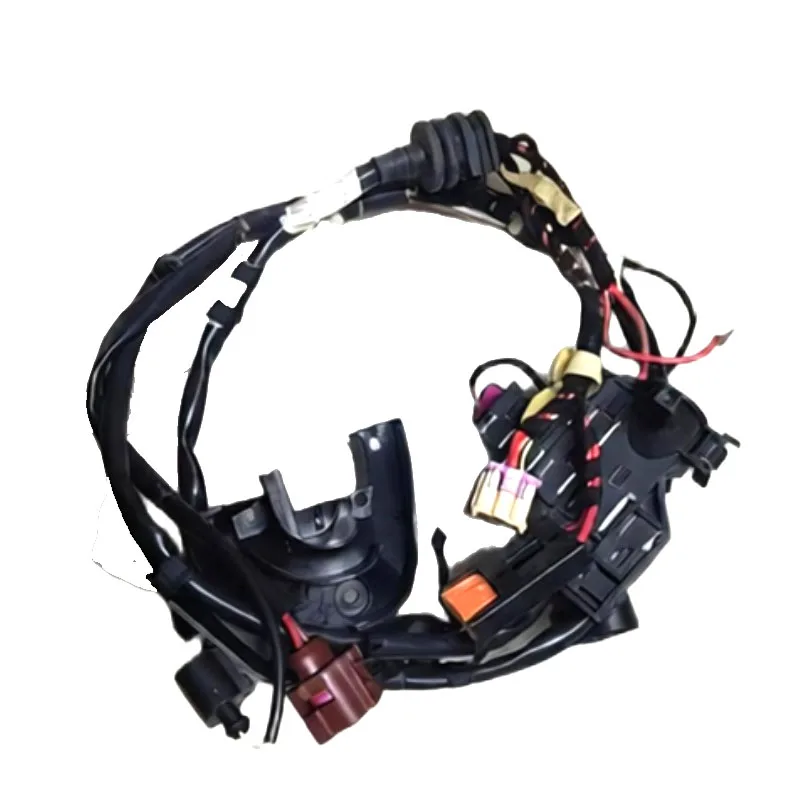
Sale06F971082F For Passat B6 Golf R 2.0T Injector Harness 06F 971 082 F 06F971082 F
 Sale
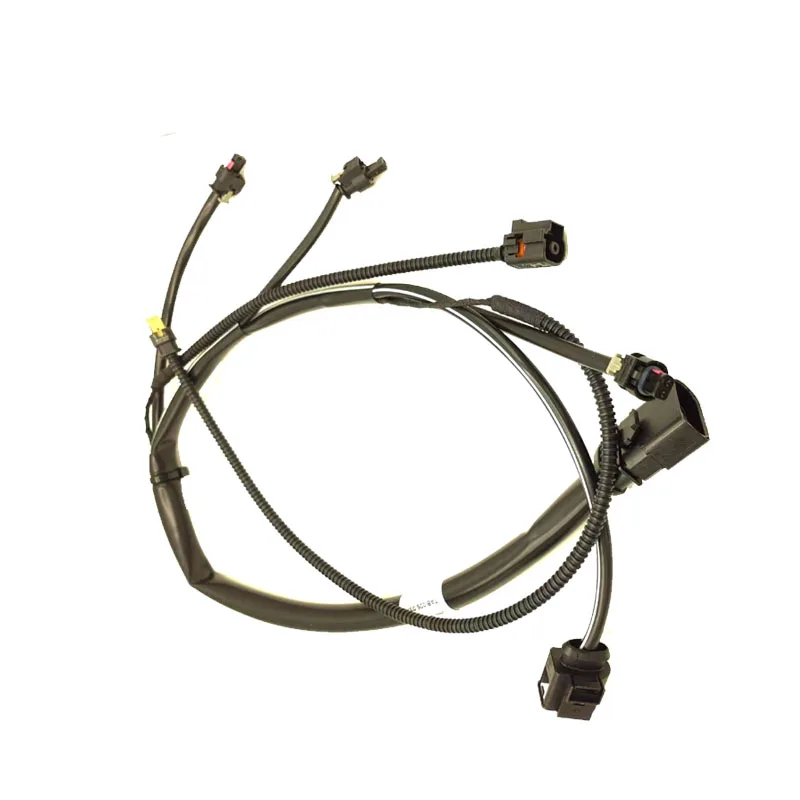
Sale4F1971284F For A6 Radiator FAN WIRE HARNESS 2005-2011 4F1 971 284 F 4F1971284 F
 Sale
Sale06E971627M 06E971627 M Engine Injector Nozzle Harness with Plug Assembly for A6 Q7 06E 971 627 M
Technical Specifications for German Vehicle Harnesses
VW and Audi harnesses conform to DIN 72551 and LV 112 automotive standards, which specify conductor cross-sections, insulation temperature ratings, and terminal retention forces. BMW follows similar specifications under their proprietary GS standards. These harnesses use multi-strand copper wire with 19-41 individual strands per conductor, providing flexibility while maintaining current-carrying capacity. Terminal crimps must achieve 15-25 Newton pull-out resistance to prevent connection separation from vibration.
Voltage Drop and Circuit Protection
Critical circuits like fuel injector harnesses must maintain voltage drop below 0.5V under full load conditions. Wire gauge selection accounts for circuit length and maximum amperage, following the American Wire Gauge standard where smaller numbers indicate larger conductors. Protection against short circuits comes from inline fuses or fusible links integrated into the harness design, typically rated 10-20% above normal operating current.
Aftermarket vs OEM Replacement Quality
Quality aftermarket harnesses replicate OEM specifications including wire gauge, insulation materials, and connector housing design. Look for products that specify copper conductors rather than copper-clad aluminum, which has higher resistance and lower fatigue life. Connector terminals should be gold-plated or tin-plated brass rather than steel, preventing galvanic corrosion when mated with OEM components. Verify that harnesses include proper routing clips and protective loom identical to factory installations.
Key Takeaways
- Match exact OEM part numbers including all alphanumeric characters to ensure proper fitment and connector compatibility
- Verify production date compatibility, as mid-cycle updates can change harness specifications within the same model year
- Quality harnesses use tin-plated copper conductors, high-temperature silicone insulation, and weatherproof connectors
- Wire gauge must meet or exceed OEM specifications to prevent voltage drop and ensure proper component operation
- Installation requires checking connector pin counts and terminal conditions before connecting to vehicle systems
Frequently Asked Questions
How do I verify which harness fits my specific VW or Audi model?
Cross-reference the complete part number from your vehicle's electronic parts catalog with the harness listing. The alphanumeric code includes chassis designation, system identifier, and specific configuration digits that must match exactly. VW and Audi vehicles often have multiple harness variants within the same model year based on production date and equipment packages.
Can I repair a damaged harness instead of replacing it?
Minor repairs using proper automotive-grade solder and heat-shrink tubing are possible for single-wire damage. However, harnesses with multiple wire failures, corroded connectors, or brittle insulation should be replaced entirely. Improper repairs can create high-resistance connections that cause intermittent faults and potential fire hazards in high-current circuits.
What causes wiring harnesses to fail in German vehicles?
Common failure modes include heat degradation from engine bay temperatures, vibration fatigue at connection points, corrosion from water intrusion at connector seals, and chafing damage where harnesses contact metal surfaces. Salt exposure in winter climates accelerates terminal corrosion, while biodiesel fuel can degrade certain insulation types in fuel system harnesses.
Are there differences between harnesses for left-hand and right-hand drive vehicles?
Yes, some harnesses vary in length and routing configuration between LHD and RHD variants. Part numbers typically include a suffix or prefix designating the steering configuration. Engine bay harnesses are usually universal, while cabin harnesses connecting to door modules or dashboard components often have market-specific variations.
This article was produced through comprehensive AI-powered research and editorial tools. While we strive for accuracy, all vehicle modifications, product purchases, and installation decisions are undertaken entirely at your own risk and responsibility. We recommend consulting a qualified automotive professional before making any changes to your vehicle.