Retrofit LED illuminated door handle lights transform the exterior appearance of Mercedes-Benz vehicles by adding premium ambient lighting to the door handles via fiber optic cable technology. These aftermarket upgrades specifically target W205 (C-Class), W213 (E-Class), W223 (S-Class), and GLC models, replacing standard door handles with illuminated versions that project light onto the ground when doors are unlocked.
Understanding Mercedes Door Handle Illumination Technology
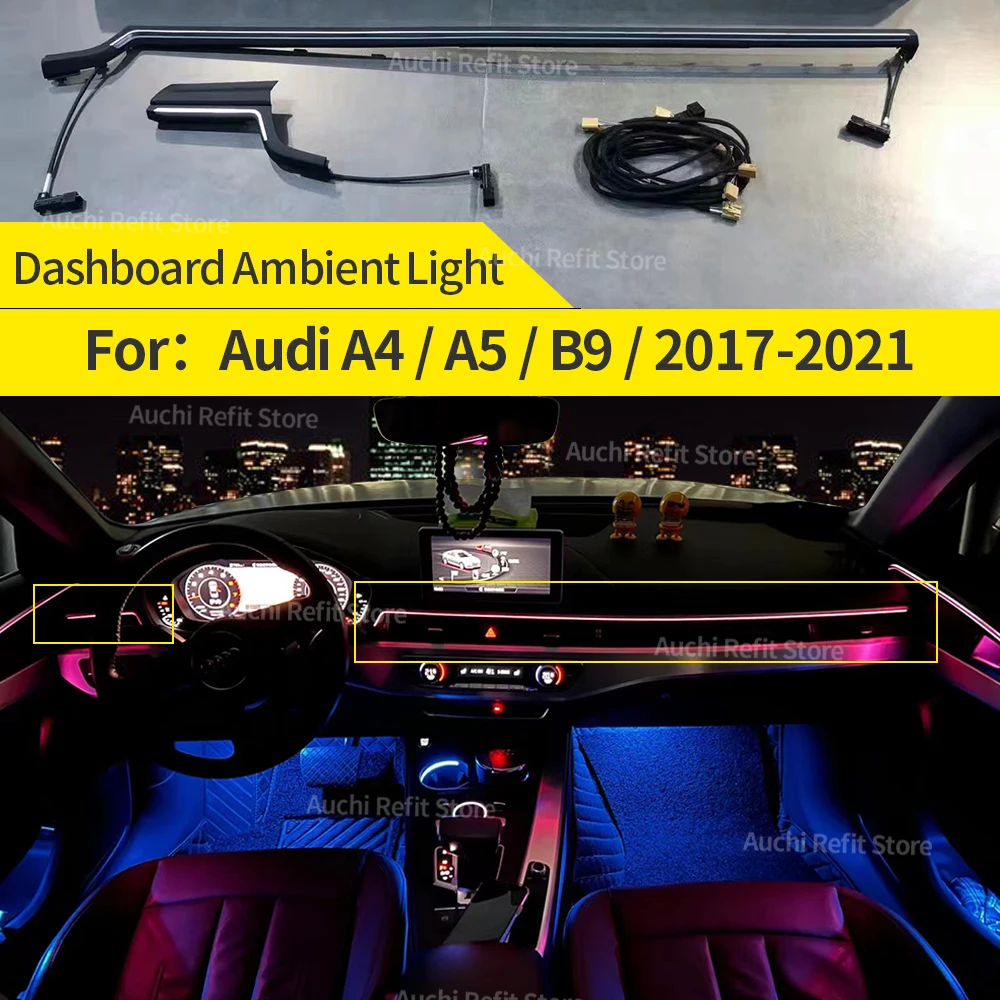
Mercedes-Benz illuminated door handles utilize fiber optic cables that run through the handle mechanism, connecting to the vehicle's electrical system via the door wiring harness. The system typically operates at 12V DC and activates through the vehicle's existing unlock signal. When properly installed, the light projects downward through a diffuser lens integrated into the handle assembly, creating a welcome lighting effect similar to factory-equipped models.
The cable-based design referenced in the Retrofit LED Illuminated Door cable handle light For w205 W213 W223 GLC suggests this uses a flexible fiber optic or LED strip configuration rather than individual bulb housings. This approach allows for more uniform light distribution along the handle length and typically offers better durability than traditional bulb-based systems that can fail from vibration or moisture intrusion.
Model Compatibility and Fitment Considerations
The W205 C-Class (sedan, coupe, and wagon variants produced from 2014-2021) uses a different door handle mounting system than the W213 E-Class (2016-2023). Despite chassis differences, retrofit kits designed for multiple platforms typically include model-specific mounting brackets or adapters. The W223 S-Class, introduced in 2020, features a more complex door handle mechanism with integrated flush handles on higher trims, requiring verification that retrofit kits accommodate both standard and flush-mount configurations.
GLC-Class models (X253 and C253 variants) share significant component overlap with the W205 platform, making door handle retrofits generally straightforward. However, verify whether the kit includes separate components for SUV body heights versus sedan configurations, as cable lengths and mounting angles differ. Pre-facelift versus facelift models within each chassis designation may also have subtle connector differences that affect plug-and-play installation.
Installation Requirements and Technical Specifications
Retrofitting illuminated door handles requires accessing the door panel interior, disconnecting the existing handle assembly, and routing power cables to the vehicle's convenience system or dedicated circuit. Most installations tap into the door module's unlock signal wire, allowing the lights to activate automatically when the vehicle is unlocked via key fob or touch sensor. Professional installation typically takes 2-3 hours for all four doors.
Critical technical specifications to verify include operating voltage (standard 12V for Mercedes electrical systems), current draw per handle (typically 0.3-0.8A), and IP rating for weather resistance. Quality retrofit kits should specify IP65 or higher protection against moisture and dust intrusion. Cable length becomes crucial for rear doors on wagon and SUV variants, which require longer harness runs from the door module location.
Wiring Integration Points
Mercedes-Benz door modules use CAN bus communication, but illuminated handle retrofits typically connect to simpler 12V switched circuits. The unlock signal wire (usually pink/black or brown depending on model year) provides trigger voltage when doors unlock. Some advanced installations integrate with the existing ambient lighting system through CANBUS coding, allowing brightness adjustment through the vehicle's COMAND or MBUX interface, though this requires additional adapter modules.
Quality Indicators for Aftermarket Kits
Distinguishing quality retrofit kits from inferior alternatives requires examining several factors. Housing material should be ABS plastic with UV stabilization to prevent yellowing and cracking from sun exposure. Chrome trim pieces should use vacuum metallization rather than painted chrome, which chips easily. LED components should specify brand names (Osram, Cree, or similar reputable manufacturers) rather than generic descriptions.
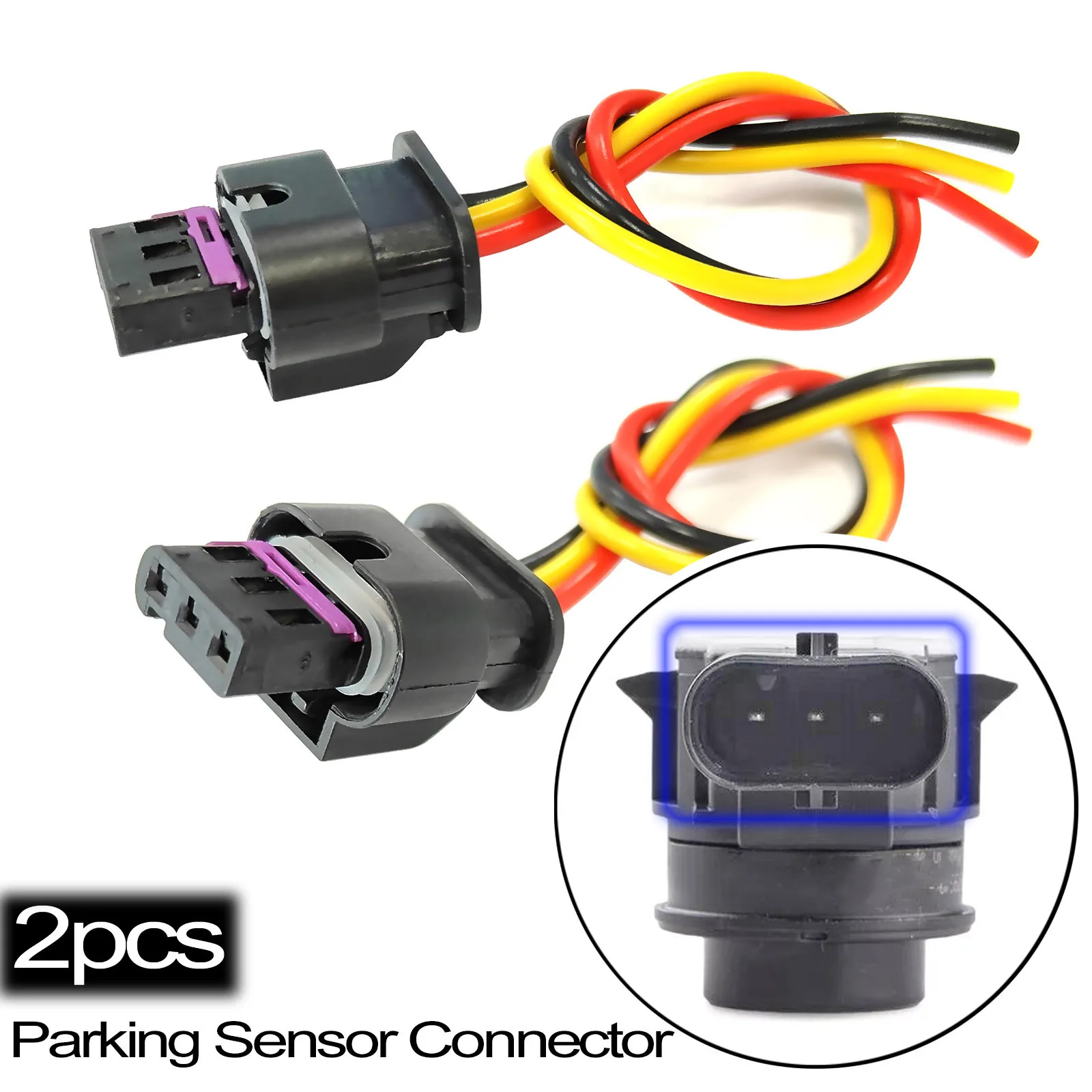
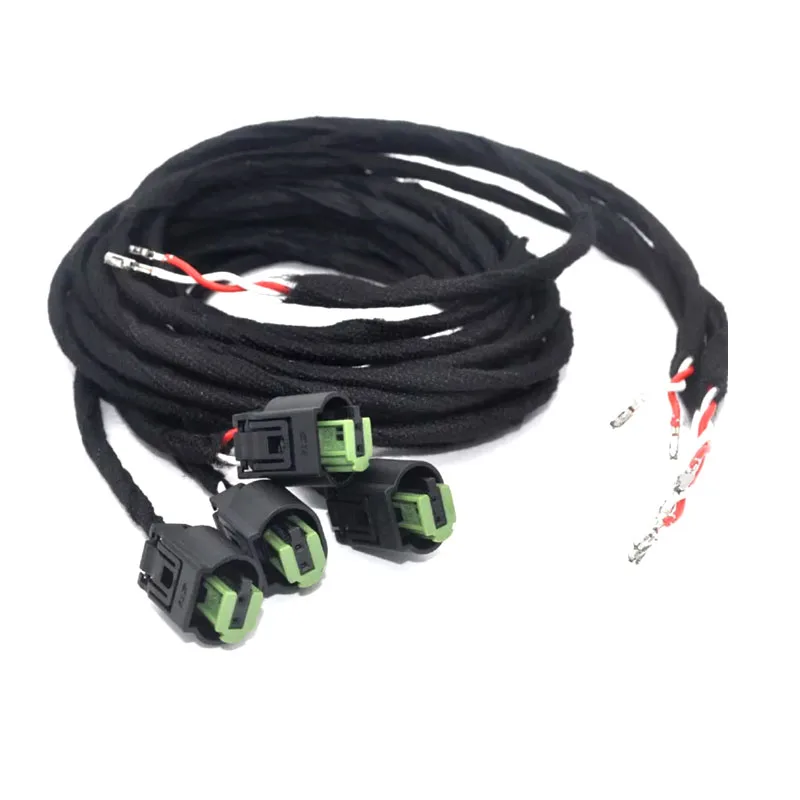
Fiber optic cables should be flexible silicone-jacketed PMMA (polymethyl methacrylate) fibers with minimum 1mm diameter for adequate light transmission. Thinner fibers appear dimmer and may not provide sufficient illumination in ambient conditions. Connector quality matters significantly—OEM-style Deutsch or TE Connectivity connectors with gold-plated pins resist corrosion better than generic terminals that can cause intermittent operation.
Common Installation Challenges
Door handle removal on Mercedes models requires specific procedures to avoid breaking retaining clips. W205 and W213 handles use a rotating mechanism with hidden release tabs accessible only after removing interior door cards. The GLC's higher door position complicates cable routing through the door frame's rubber boot, which must be carefully opened to avoid tearing the weather seal.
Recommended Products
Hand-picked accessories related to this article
Cable management inside the door cavity presents the primary installation challenge. Loose cables can interfere with window regulators or lock mechanisms, causing mechanical failures. Proper installations use adhesive-backed cable clips at 150-200mm intervals along the door frame's inner structure. Avoid routing cables near sharp metal edges where vibration could eventually wear through insulation and cause short circuits.
Electrical Configuration
Most retrofit kits include inline resistors or voltage regulators to prevent LED overdriving from voltage fluctuations during engine start or alternator charging. These components should be mounted inside the door cavity but away from moisture-prone areas near the window seals. Heat-shrink connectors with sealant provide better long-term reliability than crimp connectors alone, particularly in humid climates where corrosion accelerates.
Functional Benefits Beyond Aesthetics
While primarily cosmetic, illuminated door handles improve practical functionality in low-light conditions by clearly marking handle location and ground clearance. The projected light helps avoid puddles or curb edges when exiting in darkness. For vehicles without factory ambient lighting packages, door handle illumination represents a cost-effective upgrade that delivers similar visual impact to more expensive factory options.
The lighting also enhances vehicle security by drawing attention to door access points, potentially deterring opportunistic theft attempts. Some retrofit systems include configurable colors (white, blue, amber) allowing customization to match interior ambient lighting themes, though color-changing options require RGB LED controllers and more complex wiring.
Key Takeaways
- Verify model-specific compatibility including pre-facelift versus facelift variants before purchasing
- Quality kits use fiber optic cable technology with IP65+ weather protection ratings
- Professional installation requires 2-3 hours and door panel removal for proper cable routing
- Connection to unlock signal wire enables automatic activation without additional switches
- OEM-style connectors and proper cable management prevent long-term reliability issues
Frequently Asked Questions
Will illuminated door handle retrofits void my Mercedes-Benz warranty?
Aftermarket electrical modifications can affect warranty coverage for related components. If a door module or wiring harness fails and the dealer determines the retrofit installation caused the failure, warranty claims may be denied for those specific components. Proper installation using tap connectors rather than cutting factory wiring minimizes this risk. Most mechanical and powertrain warranty coverage remains unaffected by exterior lighting modifications.
Can these retrofit kits work with keyless entry and soft-close door systems?
Yes, retrofit LED door handle lights are compatible with Mercedes Keyless-Go and soft-close mechanisms. The lighting system operates independently of the capacitive touch sensors used for keyless entry. However, ensure the retrofit handle design accommodates the touch sensor module if your vehicle has this feature, as some aftermarket handles may require transferring sensors from original handles.
How bright should the door handle illumination be for effective ground projection?
Effective door handle illumination typically produces 20-40 lumens per handle, sufficient to create visible ground projection without causing glare. Excessively bright installations (above 60 lumens) may create harsh reflections off chrome trim and fail to achieve the subtle ambient effect characteristic of factory implementations. Light output should be clearly visible in darkness but not overpower other exterior lighting elements.
Do illuminated door handles significantly increase power consumption?
Each LED door handle typically draws 3-10 watts, resulting in total consumption of 12-40 watts when all four handles illuminate. Since activation occurs only during door unlock/lock sequences (typically 30-60 seconds), daily power consumption remains negligible—approximately equivalent to leaving interior dome lights on for one minute. Parasitic drain when the vehicle is fully locked should be zero if properly installed with switched power circuits.
This article was produced through comprehensive AI-powered research and editorial tools. While we strive for accuracy, all vehicle modifications, product purchases, and installation decisions are undertaken entirely at your own risk and responsibility. We recommend consulting a qualified automotive professional before making any changes to your vehicle.