The best engine heat management systems for Volkswagen models include the Heat Radiator Exchanger For Volkswagen Golf at EUR 46.09 for cabin climate control and the High Flow Cold Air Intake Heat shield at EUR 72.87 for performance enhancement. These components optimize thermal regulation across multiple VW platforms.
Understanding Engine Heat Management in Volkswagen Vehicles
Engine heat management encompasses two critical functions in modern Volkswagen vehicles. First, the cabin heating system transfers engine warmth to the interior compartment during cold weather. Second, the intake air cooling system prevents hot engine bay temperatures from reducing power output. Both systems directly impact driving comfort and performance efficiency.
Volkswagen engineers designed these thermal systems to work across multiple model lines. The Golf, Passat, Jetta, and Polo share common platform architectures that use standardized heat management components. This design approach allows replacement parts to fit numerous vehicles within the VW Group family, including Audi, Skoda, and Seat models.
Heat management failures create noticeable symptoms in daily driving. A malfunctioning cabin heater produces weak airflow or cold air despite the engine reaching normal operating temperature. Performance intake systems suffer when hot underhood air enters the combustion chamber, reducing oxygen density and limiting power output. Both conditions require specific replacement components.
Key Heat Management Components Explained
The heater core functions as a miniature radiator inside the dashboard assembly. Hot coolant from the engine flows through narrow tubes while the blower motor pushes air across these heated surfaces. This heat exchanger design transfers thermal energy from the coolant to the cabin air stream, providing warmth for passengers and defrosting capabilities.
Cold air intake heat shields serve a different thermal purpose. These barriers separate the intake tract from radiant heat sources like the exhaust manifold and engine block. By maintaining lower intake air temperatures, the shield preserves air density. Denser air contains more oxygen molecules per volume, allowing the engine to generate more power from each combustion cycle.
Modern turbocharged engines particularly benefit from intake thermal management. The EA211 engine family powers numerous Volkswagen models with displacement options from 1.2 to 1.4 liters. These small turbocharged units generate significant underhood heat that can reduce performance by 8 to 12 percent without proper shielding.
Top Heat Management Products for Volkswagen Models
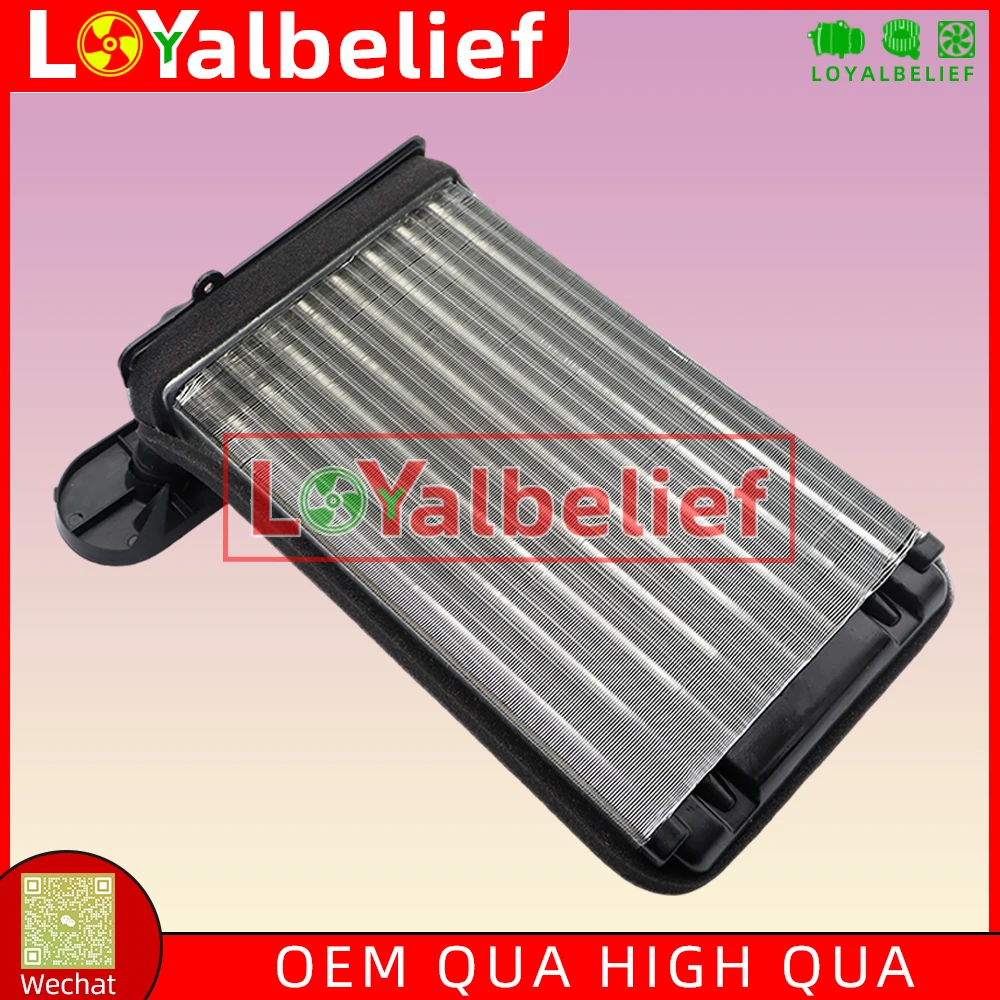
Heat Radiator Exchanger For Volkswagen Golf
This replacement heater core fits an extensive range of Volkswagen Group vehicles at EUR 46.09. Compatible models include Golf, Polo, Passat, Jetta, Caddy, Vento, Lupo, and Corrado from Volkswagen, plus Audi A3, various Skoda models, and Seat vehicles. The component replaces original equipment part numbers 1H1819031A and 1H1819030A.
The heater core construction uses aluminum tubes with folded fin design for maximum surface area. This engineering approach increases heat transfer efficiency compared to older copper-brass designs. The aluminum material reduces weight by approximately 40 percent while providing superior corrosion resistance in modern coolant formulations.
Installation requires dashboard disassembly to access the heater box assembly. Professional mechanics typically complete this replacement in 3 to 5 hours depending on the specific model. The process involves draining the cooling system, removing dashboard components, disconnecting heater hoses, and replacing the old core before reassembly.
Symptoms indicating heater core failure include sweet coolant smell inside the cabin, foggy windshield conditions, and passenger-side floor wetness. Some units develop internal blockages that restrict coolant flow, resulting in lukewarm air output. Others develop external leaks where the inlet and outlet pipes connect to the core body.
High Flow Cold Air Intake Heat Shield Kit
This performance intake system with integrated heat shielding costs EUR 72.87 and targets EA211 engines. The kit fits VW Golf GTI MK7 models with 1.2 or 1.4-liter displacement, plus Passat, Jetta, Audi A3, Seat Leon, and Skoda vehicles using the same engine family. The design increases airflow while maintaining cool intake temperatures.
The heat shield component uses reflective aluminum construction that deflects radiant heat from the exhaust manifold. This barrier maintains intake air temperatures 15 to 25 degrees Celsius cooler than stock configurations. Lower temperatures increase air density by approximately 5 to 8 percent, directly contributing to power output improvements.
The high flow intake tube features smooth interior surfaces that reduce turbulence compared to factory corrugated designs. Smoother airflow paths decrease restriction, allowing the engine to draw air more efficiently. This reduction in pumping losses contributes modest power gains of 5 to 8 horsepower across the RPM range.
Installation requires basic hand tools and takes approximately 60 to 90 minutes for DIY enthusiasts. The process involves removing the factory airbox assembly, installing the new intake tube and filter, then securing the heat shield with provided mounting hardware. No permanent modifications to the vehicle are necessary, preserving factory warranty coverage.
The kit includes a high flow air filter element that requires cleaning and re-oiling every 25,000 kilometers. This washable filter design eliminates ongoing replacement costs associated with disposable paper elements. Proper maintenance ensures consistent airflow performance throughout the intake system's service life.
Choosing the Right Heat Management Upgrade
Heater core replacement becomes necessary when cabin heating fails or coolant leaks develop. This repair addresses comfort and safety concerns rather than performance enhancement. The EUR 46.09 investment restores proper defrosting capability, which is essential for safe winter driving visibility. Without adequate heat, windshield fog creates dangerous blind spots.
Cold air intake systems appeal to enthusiasts seeking modest performance improvements. The EUR 72.87 investment delivers measurable power gains while improving throttle response. Drivers most appreciate the enhanced engine sound during acceleration, as the intake system produces more audible induction noise compared to the heavily muffled factory setup.
Budget considerations often determine upgrade timing. Emergency heater core replacement cannot be postponed when leaks develop, as coolant loss leads to engine overheating. Performance intake systems represent optional upgrades that owners can defer until finances permit. Neither component requires simultaneous installation.
Vehicle age influences component selection priorities. Older Volkswagen models with 150,000 kilometers or more often need heater core replacement due to internal corrosion or external leak development. Newer vehicles benefit more from performance intake upgrades, as the factory heating system remains fully functional.
Installation Considerations and Compatibility
Heater core replacement demands significant labor investment. The dashboard removal process requires disconnecting electrical connectors, removing trim panels, and carefully extracting the instrument cluster and center console components. Professional installation costs typically range from EUR 200 to EUR 400 depending on regional labor rates and specific vehicle complexity.
DIY heater core installation saves substantial labor costs but requires mechanical aptitude. Workshop manuals provide detailed removal sequences specific to each model. Owners should allocate an entire weekend for first-time installations, as unexpected complications frequently extend estimated timeframes. Proper coolant disposal at recycling centers is mandatory.
Recommended Products
Hand-picked accessories related to this article
Cold air intake installation presents minimal difficulty for DIY enthusiasts. The process requires no special tools beyond standard screwdrivers and socket wrenches. Most installations follow simple procedures: loosen clamps, remove factory components, install new parts, tighten connections. The heat shield typically bolts to existing mounting points without drilling.
Compatibility verification prevents costly purchase mistakes. The heater core fits vehicles using part numbers 1H1819031A and 1H1819030A, covering production years spanning multiple decades. The intake system specifically targets EA211 engines in MK7 Golf GTI and related platforms. Buyers must verify their engine code before purchasing to ensure proper fitment.
Performance and Comfort Benefits
Functional cabin heating transforms winter driving comfort. Restored heat output allows efficient windshield defrosting within 5 to 10 minutes of cold starts. Passenger comfort improves dramatically when interior temperatures reach comfortable levels during short commutes. Proper heating also prevents window fogging that obscures visibility during rain or snow.
Intake temperature reduction delivers measurable performance advantages. Dyno testing shows EA211 engines gain 5 to 8 horsepower with quality cold air intake systems. This represents a 4 to 6 percent power increase on 1.4-liter turbocharged variants. Torque output improves similarly, enhancing acceleration response during highway merging and passing maneuvers.
Fuel efficiency may improve slightly with cooler intake air. Denser air allows more precise fuel metering, reducing the need for enrichment compensation. Real-world economy gains typically measure 2 to 4 percent under steady cruising conditions. Stop-and-go city driving shows minimal efficiency improvement due to frequent throttle transitions.
Engine sound character changes noticeably with aftermarket intake systems. The high flow design produces audible induction noise during acceleration, creating a more engaging driving experience. Some drivers appreciate this sporty sound signature, while others prefer the quieter factory system. Sound levels remain street-legal and do not constitute excessive noise.
Maintenance and Longevity
Heater cores require no scheduled maintenance when functioning properly. The sealed aluminum construction prevents external corrosion when quality coolant maintains proper pH levels. Using manufacturer-specified coolant with appropriate additive packages extends heater core life beyond 200,000 kilometers. Mixing incompatible coolant types accelerates internal corrosion.
Cooling system flushes every 60,000 kilometers remove sediment that can clog heater core passages. Neglected cooling systems develop rust particles and scale deposits that restrict flow through narrow heater core tubes. Regular flushing with appropriate cleaning solutions prevents blockage formation and extends component service life.
Cold air intake filters require cleaning every 25,000 kilometers to maintain optimal airflow. The washing process involves removing the filter element, applying specialized cleaner, rinsing thoroughly, drying completely, then applying filter oil. Properly maintained filters last 80,000 kilometers or more before replacement becomes necessary.
Heat shield durability depends on mounting security and material quality. Aluminum shields resist corrosion indefinitely but may develop rattles if mounting hardware loosens. Periodic inspection every 10,000 kilometers ensures bolts remain tight. The reflective surface maintains thermal barrier properties throughout the vehicle's lifetime without degradation.
Quick Summary: Top Picks at a Glance
- Best Value Heater Core: Heat Radiator Exchanger at EUR 46.09 fits 12+ VW Group models with part number compatibility for Golf, Passat, Polo, Jetta, and more
- Performance Upgrade: High Flow Cold Air Intake at EUR 72.87 delivers 5-8 horsepower gains for EA211 engines with integrated heat shielding
- Widest Compatibility: Heater core fits Volkswagen, Audi, Skoda, and Seat models spanning multiple production generations
- Easiest Installation: Cold air intake requires 60-90 minutes with basic tools and no permanent vehicle modifications
- Maintenance Winner: Heater core needs zero maintenance while intake filter requires cleaning every 25,000 kilometers
Making the Right Investment Decision
Heat management upgrades serve distinct purposes for different driving priorities. The heater core replacement at EUR 46.09 addresses essential comfort and safety requirements. This component becomes mandatory when heating failures occur, not optional. Winter driving safety depends on proper defrosting capability, making timely replacement crucial.
Performance enthusiasts find value in the EUR 72.87 cold air intake investment. The combination of measurable power gains, improved throttle response, and enhanced engine sound creates a more engaging driving experience. Owners who regularly exploit their vehicle's performance capabilities appreciate these modifications more than casual commuters.
Combined system optimization maximizes both comfort and performance. Installing both components addresses separate vehicle systems without conflict or compatibility issues. Enthusiasts planning multiple upgrades can install these items independently as budget permits. Neither component requires the other for proper function.
Quality components from reputable suppliers ensure reliable long-term performance. The heater core uses OEM-specification aluminum construction matching original equipment standards. The cold air intake features durable materials with precise fitment tolerances. Both products deliver value through extended service life and reliable function.
Frequently Asked Questions
How do I know if my Volkswagen heater core needs replacement?
Common symptoms include weak heat output despite normal engine temperature, sweet coolant smell inside the cabin, foggy windshield conditions, and wet passenger-side carpeting. Coolant level dropping without external leaks also indicates internal heater core leakage. Temperature fluctuations with blower speed changes suggest partial blockage.
Will a cold air intake void my Volkswagen warranty?
Cold air intake systems typically do not void manufacturer warranties under consumer protection laws. Dealerships cannot deny warranty claims unless they prove the aftermarket part caused the specific failure. The intake system does not require permanent vehicle modifications and can be removed, preserving complete warranty coverage.
Can I install these heat management components myself?
The cold air intake installs easily with basic hand tools in 60 to 90 minutes. No special skills are required beyond following instructions carefully. Heater core replacement demands advanced mechanical knowledge due to dashboard disassembly complexity. Most owners choose professional installation for heater cores while handling intake installation personally.
How much horsepower does a cold air intake add to EA211 engines?
Quality cold air intake systems with heat shields add 5 to 8 horsepower to EA211 turbocharged engines. This represents approximately 4 to 6 percent power increase on 1.4-liter variants. Gains vary based on baseline engine tune, ambient temperature, and altitude. Torque improvements provide more noticeable acceleration enhancement than peak horsepower numbers.
What vehicles are compatible with these heat management products?
The heater core fits Volkswagen Golf, Polo, Passat, Jetta, Caddy, Vento, Lupo, Corrado, Audi A3, multiple Skoda models, and Seat vehicles using part numbers 1H1819031A or 1H1819030A. The cold air intake fits VW Golf GTI MK7, Passat, Jetta, Audi A3, Seat Leon, and Skoda models with EA211 engines displacing 1.2 or 1.4 liters.
This article was produced through comprehensive AI-powered research and editorial tools. While we strive for accuracy, all vehicle modifications, product purchases, and installation decisions are undertaken entirely at your own risk and responsibility. We recommend consulting a qualified automotive professional before making any changes to your vehicle.