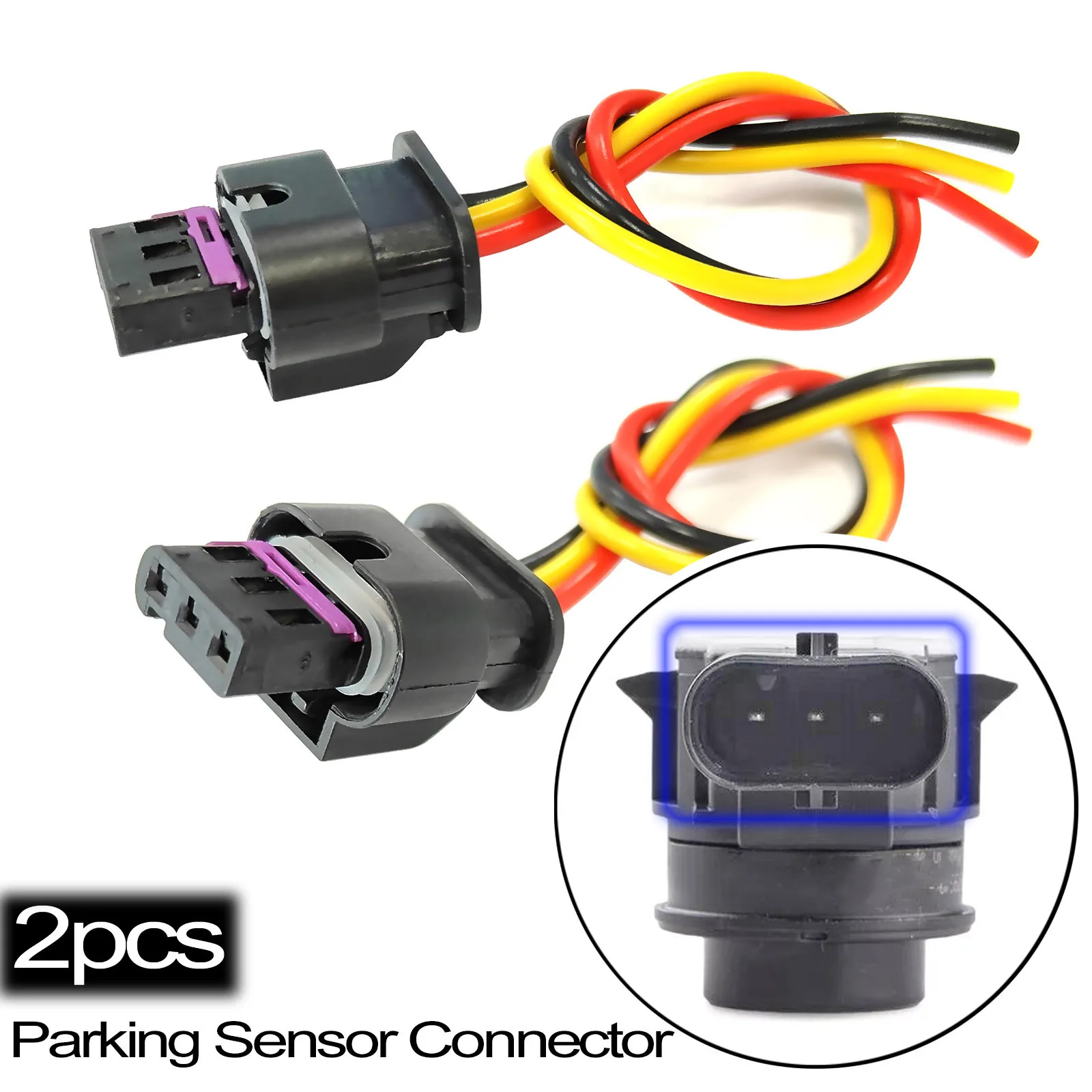
BMW LCI (Life Cycle Impulse) LED tail light retrofits require dedicated cable adaptors that translate the electrical connections between pre-facelift and facelift tail light assemblies. These adaptors eliminate the need for wire splicing and enable plug-and-play installation when upgrading older BMW models to newer LED tail light technology.
E-Series Cable Adaptor Options
The Retrofit facelift LCI Led Tail light Cluster cable adaptor For E92 COUPE M3 addresses the specific connector configuration used in E92 and E93 coupes, including M3 variants. BMW officially released OEM retrofit kits for these models, confirming manufacturer support for the upgrade path. The E92/E93 retrofit requires BMW dealership coding post-installation for proper functionality, as the LCI tail lights communicate differently with the vehicle's electrical system than pre-LCI units.
The 2x Retrofit facelift LCI Led Tail light cable adaptor harness For E90 E91 3 series serves sedan and wagon body styles with a paired adaptor set. E90 sedans and E91 wagons share similar electrical architectures but differ from the E92 coupe design. These adaptors include the necessary pin connections to interface pre-facelift wiring harnesses with LCI LED tail light modules, which feature additional circuits for advanced lighting functions and error monitoring.
E-Series Installation Considerations
E-series retrofits benefit from straightforward trunk access in sedans, though physical installation simplicity doesn't eliminate the coding requirement. Professional BMW coding is critical because LCI LED tail lights include self-diagnostic capabilities that pre-LCI systems lack. Without proper coding, the vehicle may display persistent error messages or fail to activate certain lighting modes. The OEM adapter harness components referenced in BMW documentation ensure compatibility with factory electrical specifications.
F-Series Cable Adaptors With Repinning
The RETROFIT LCI Rear LED Tail Light cable adaptor w/ REPINNING For F30 F31 F80 introduces additional complexity compared to E-series adaptors. F-series vehicles including F30 sedans, F31 wagons, and F80 M3 models use more sophisticated electrical architectures with CAN bus communication for tail light modules. The repinning specification indicates that these adaptors reorganize pin positions to match the changed connector layouts between pre-LCI and LCI tail light assemblies.
F31 wagon installations present unique challenges due to hatchback design. Unlike F30 sedan trunk access, F31 retrofits require removing sliding covers and upper tailgate trim panels to route wiring through the tailgate structure. Installers must use flexible wire guides to navigate cables through the D pillar rubber seal and tailgate concertina, applying silicone spray to ease wire passage through rubber grommets. Final connections interface directly with the REM (Rear Electronic Module) box connectors, often requiring scotch locks or soldered connections for reliable electrical contact.
F-Series vs E-Series Technical Differences
F-series adaptors cost more than E-series equivalents due to increased electrical complexity and repinning requirements. Pre-LCI F30 models used simpler bulb-based lighting with basic on/off switching, while LCI LED assemblies incorporate PWM dimming, sequential turn signals, and adaptive brake light intensity. The adaptor must translate between these fundamentally different control schemes, often requiring voltage regulation and signal conversion beyond simple pin remapping.
F32/F36 4 Series Adaptors
The 2x RETROFIT LCI LED Tail Light cable adaptors For 4s Coupe F32 F36 M4 F82 serves BMW's 4 Series coupes and Gran Coupes, including M4 performance variants. These models share the F-series electrical platform with F30 3 Series but use body-specific tail light assemblies. The F32 coupe and F36 Gran Coupe require paired adaptors for left and right tail lights, as each side connects independently to the vehicle's electrical system rather than sharing a common harness.
F82 M4 retrofits may face additional coding complexity due to M-specific vehicle coding parameters. M models often include unique lighting sequences for sport mode activation or launch control, requiring specialized coding software beyond standard BMW diagnostic tools. Professional installation shops familiar with M vehicle coding can access these parameters through ISTA+ software or equivalent diagnostic platforms.
Quality Indicators and Selection Criteria
Recommended Products
Hand-picked accessories related to this article
SaleRetrofit facelift LCI Led Tail light Cluster cable adaptor For E92 COUPE M3
 Sale
Sale2x Retrofit facelift LCI Led Tail light cable adaptor harness For E90 E91 3 series
 Sale
SaleRETROFIT LCI Rear LED Tail Light cable adaptor w/ REPINNING For F30 F31 F80
 Sale
Sale2x RETROFIT LCI LED Tail Light cable adaptors For 4s Coupe F32 F36 M4 F82
Sale2x Retrofit facelift LCI Led Tail light cable adaptor harness For E90 E91 3 series
SaleRETROFIT LCI Rear LED Tail Light cable adaptor w/ REPINNING For F30 F31 F80
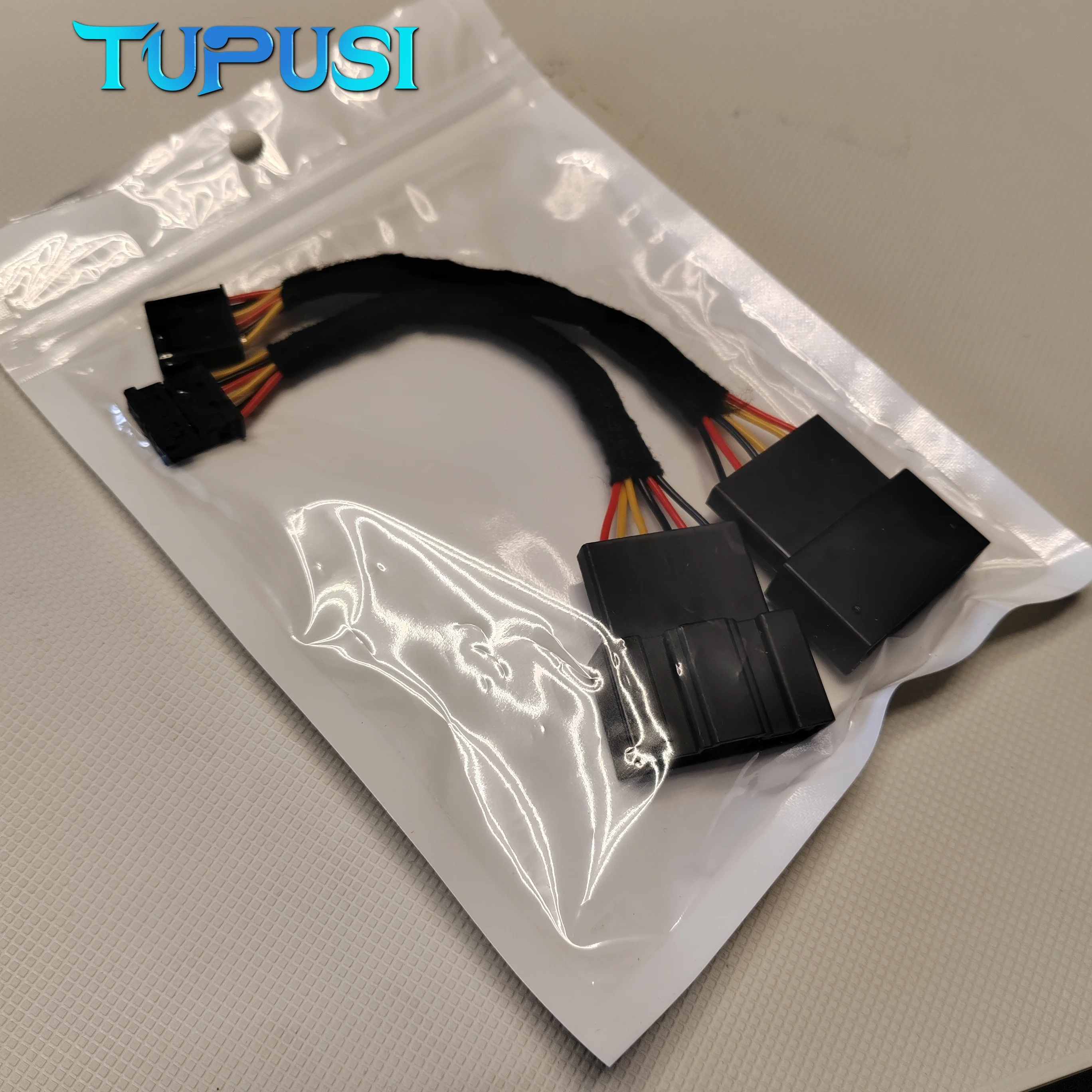
2PCS 61122181307 LED taillight cable adapter For BMW 3 series E92 M3 COUPE REAR FACELIFT LCI TAIL LIGHTS RETROFIT CABLE SET KIT

Retrofit facelift LCI Led mid Tail light cable adaptor harness For macan
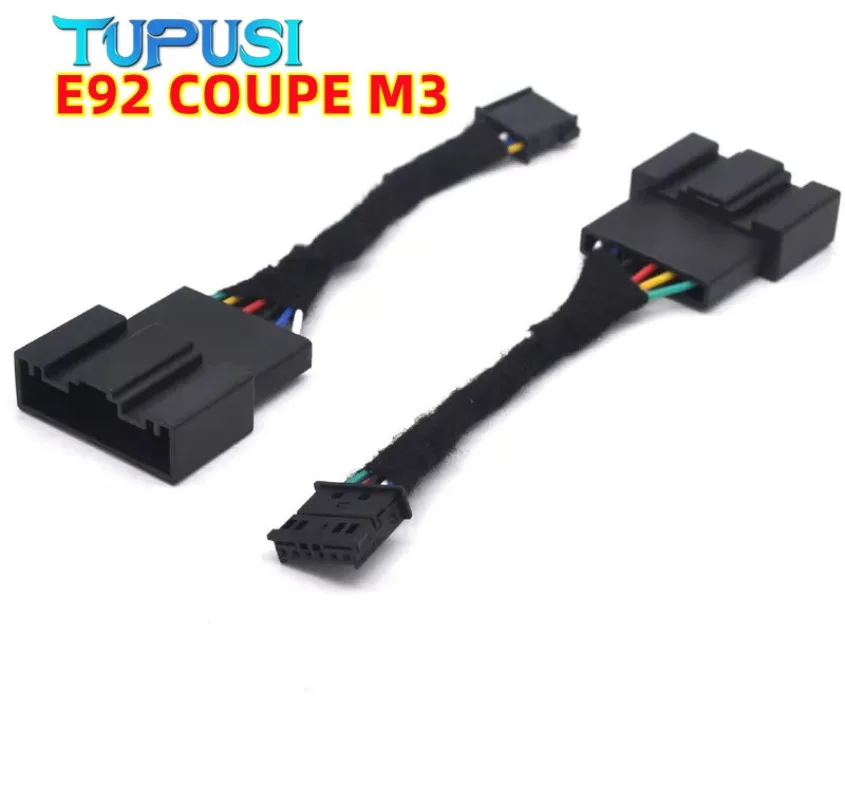
LED Taillights Non-destructive Adapter Harness Plug Conversion Line for E92 E93 COUPE M3 Retrofit Facelift LCI Led Tail Light
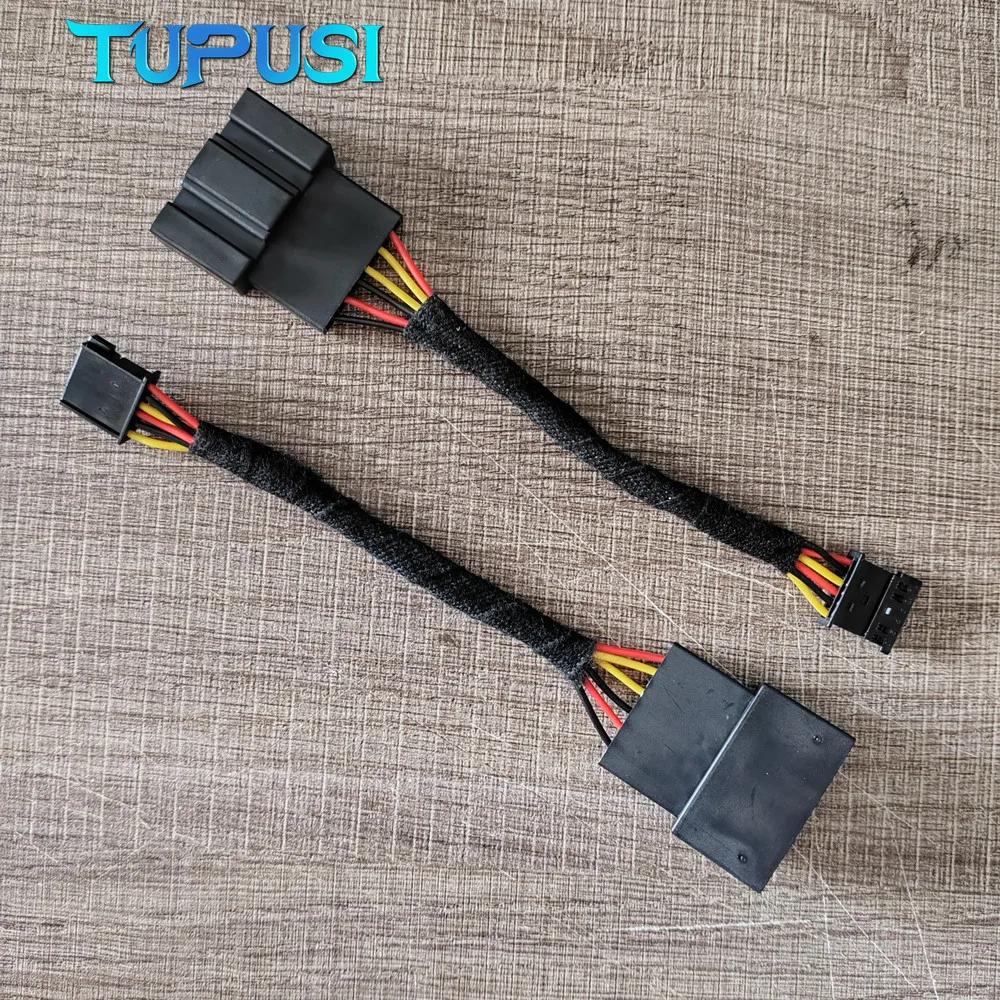
61122181307 LED Taillight Cable Adapter for BMW 3 Series E92 M3 COUPE REAR FACELIFT LCI TAIL LIGHTS RETROFIT CABLE SET KIT
Sale61122181307 LED Taillight Cable Adapter for BMW 3 Series E92 M3 COUPE REAR FACELIFT LCI TAIL LIGHTS RETROFIT CABLE SET KIT
Sale61122181307 LED Taillight Cable Adapter for BMW 3 Series E92 M3 COUPE REAR FACELIFT LCI TAIL LIGHTS RETROFIT CABLE SET KIT
Quality cable adaptors feature proper gauge wiring that matches OEM specifications, typically 18-20 AWG for lighting circuits. Connector housings should use durable automotive-grade plastics rated for underhood temperatures, though tail light adaptors experience less thermal stress than engine bay components. Gold-plated or tin-plated pins resist corrosion better than bare copper, critical for long-term reliability in moisture-prone trunk environments.
Repinning adaptors require additional scrutiny regarding pin retention force. Poorly manufactured adaptors may experience pins backing out of connector housings during installation or from vibration over time, causing intermittent electrical faults. The inclusion of proper sealing boots or weather pack connectors indicates attention to moisture protection, essential for preventing corrosion in tail light assemblies exposed to road spray and condensation.
Common Installation Issues
Incorrect adaptor selection represents the most frequent problem, as visual similarities between E90 and E92 adaptors or F30 and F32 versions can cause confusion. Verify chassis code stamped on the driver's door jamb or check VIN decoding to confirm exact model designation before purchasing. Installing E92 coupe adaptors on an E90 sedan results in non-functional tail lights due to different pin assignments, despite physical connector compatibility.
Coding failures occur when installers attempt DIY coding without understanding BMW's hierarchical coding structure. Vehicle order (VO) coding must reflect the new tail light hardware, while central gateway module (ZGM) coding determines which lighting features activate. Incomplete or incorrect coding may leave working tail lights that lack sequential turn signals, adaptive brake intensity, or proper error monitoring.
Key Takeaways
- E-series adaptors (E90/E91/E92) require professional BMW coding but offer simpler electrical interfaces than F-series models
- F-series adaptors with repinning (F30/F31/F80, F32/F36/F82) accommodate more complex CAN bus communication and advanced lighting features
- F31 wagon installations demand additional labor for tailgate wiring routing compared to sedan configurations
- Quality adaptors use proper gauge wiring, corrosion-resistant connector pins, and durable automotive-grade housings
- Verify exact chassis code before purchasing, as similar models use different pin assignments despite compatible connectors
Frequently Asked Questions
Do BMW LCI tail light retrofit adaptors work without coding?
No, BMW LCI LED tail lights require professional coding to function properly. While adaptors provide electrical connectivity, the vehicle's modules need software updates to recognize new hardware and activate advanced lighting features. Uncoded installations typically show persistent error messages and may not illuminate certain light functions.
Can I use E92 adaptors on an E90 sedan?
No, E92 coupe and E90 sedan adaptors use different pin configurations despite similar appearance. E92/E93 coupes have unique connector layouts that don't match E90 sedan or E91 wagon wiring. Using incorrect adaptors results in non-functional tail lights even if connectors physically mate together.
Why do F-series adaptors cost more than E-series versions?
F-series adaptors incorporate repinning and more complex electrical components to translate between advanced CAN bus systems. F30/F32 LCI tail lights use PWM dimming, sequential signaling, and adaptive brake intensity that require signal conversion beyond the simple on/off switching in E-series models. This additional circuitry increases manufacturing costs.
What tools are needed for F31 wagon tail light wiring?
F31 installations require trim removal tools for tailgate panels, flexible wire guides for routing cables through the tailgate structure, and silicone spray for easing wire passage through rubber concertina seals. Scotch locks or soldering equipment provides connections to REM box terminals. Access to D pillar rubber seals and battery cover area is necessary for complete wire routing.
This article was produced through comprehensive AI-powered research and editorial tools. While we strive for accuracy, all vehicle modifications, product purchases, and installation decisions are undertaken entirely at your own risk and responsibility. We recommend consulting a qualified automotive professional before making any changes to your vehicle.